
 how-to
Book an Endodontic Consultation: A Step-by-Step Guide
Table of Contents
- When to Book an Endodontic Consultation
- Understanding the Endodontic Referral Process
- How to Book an Endodontic Consultation Today
- Is Root Canal Treatment Painful? What You Should Know
- What to Expect During a Root Canal Consultation
- What to Bring and How to Prepare
- Consultation Costs and Insurance Coverage
- Urgent Symptoms: When to Seek Immediate Care
- Frequently Asked Questions
Last Updated: October 7, 2026
When to Book an Endodontic Consultation
You should book endodontic consultation when you experience persistent tooth pain, sensitivity to temperature, or suspect you may need root canal therapy. Your general dentist may refer you to an endodontist, a specialist trained in treating tooth pulp and root canal issues, when they identify a problem beyond routine care.
Common signs that warrant an endodontic consultation include severe pain when chewing, prolonged sensitivity to hot or cold temperatures that lingers after the stimulus is removed, discoloration or darkening of a tooth, or swelling and tenderness in nearby gums or jaw. Some patients notice no obvious symptoms but discover issues during routine dental exams when their dentist spots signs of infection or damage on X-rays.
Waiting too long to book an endodontic consultation can allow problems to worsen. What starts as manageable pain may progress to an abscess, which is a serious infection that can spread beyond the tooth. Early evaluation preserves your natural tooth and prevents more complex treatment down the road.
Understanding the Endodontic Referral Process
When your general dentist suspects you need endodontic care, they typically initiate a referral to a specialist. This process ensures you receive the right level of expertise for your specific situation.
Your dentist will examine your tooth, review X-rays, and assess your symptoms. If they believe root canal therapy or another endodontic procedure is necessary, they'll discuss this with you and provide a referral. The referral includes your dental records, imaging, and a summary of their findings.
Some practices, like EPO Dental Specialists, work closely with general dentists throughout the treatment process. We maintain communication with your primary dentist so they stay informed about your care and can follow up with you afterward. This collaborative approach ensures continuity and prevents gaps in your treatment.
You don't always need a formal referral to schedule an endodontic consultation. If you're experiencing urgent symptoms or want a second opinion, you can contact an endodontic practice directly. However, having your dentist's referral and records speeds up the process and gives the specialist valuable background information.
How to Book an Endodontic Consultation Today
To book endodontic consultation is straightforward. Most practices offer multiple ways to request an appointment, and many can accommodate urgent cases quickly. Here's what you need to know about getting on the schedule.
Phone Scheduling
Calling the endodontic office directly remains the fastest way to book an appointment, especially if you're experiencing urgent pain. When you call, have your insurance information and dental history ready. The receptionist will ask about your symptoms, current medications, and whether you've had any recent dental work.
Most practices keep slots open for same-day or next-day appointments when patients report acute pain. If you're not in immediate distress, you may have a longer wait for a routine consultation appointment. Be honest about your symptoms so the office can prioritize your case appropriately.
During the phone call, confirm the office location, parking details, and what you should bring. Ask about their cancellation policy and whether they accept your insurance. If you don't have insurance, inquire about payment options and whether they offer financing plans.
Online Appointment Request
Many endodontic practices now offer online appointment request forms on their websites. This option works well if you prefer not to call or if you're scheduling outside business hours. Online forms typically ask for your contact information, insurance details, symptom description, and preferred appointment times.
After you submit an online request, the office will contact you to confirm availability and finalize your appointment. This usually happens within one business day. Online scheduling is convenient, but it may take slightly longer than calling if the office has high volume.
Some practices integrate online scheduling with their patient portal, allowing you to book directly into available time slots without waiting for staff confirmation. Check the office website to see what options they offer.
Is Root Canal Treatment Painful? What You Should Know
The fear of pain is the biggest reason patients delay root canal therapy, yet modern endodontic treatment is far less uncomfortable than many expect. Understanding what actually happens during the procedure and how dentists manage pain can ease your anxiety.
Root canal treatment itself doesn't cause pain, it relieves it. The procedure removes infected or inflamed pulp tissue inside the tooth, which is the source of your pain.
What patients sometimes confuse is the difference between the pain before treatment and sensations during treatment. Before your appointment, you may experience significant discomfort from the infection or inflammation.
Some patients report mild discomfort after treatment as the anesthetic wears off, especially if the tooth was severely infected. Over-the-counter pain relievers usually manage this post-treatment sensitivity, which typically resolves within a few days.
Advanced techniques and tools have made root canal therapy faster and more comfortable than in the past. Specialists use rotary instruments, digital imaging, and precise anesthesia protocols to minimize discomfort. Our team prioritizes patient comfort throughout every procedure.
What to Expect During a Root Canal Consultation
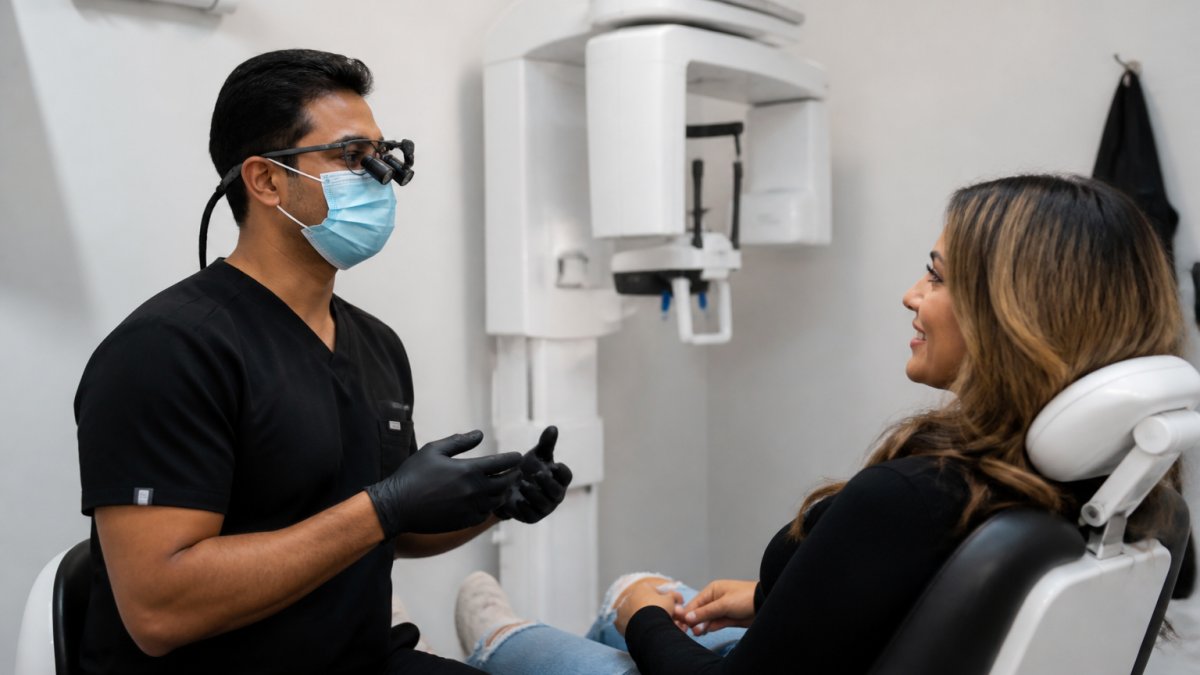
Your endodontic consultation is a diagnostic appointment where the specialist evaluates your tooth, reviews imaging, discusses your symptoms, and explains treatment options. This is not the treatment itself, it's the planning stage.
Initial Screening and Diagnosis
When you arrive, the clinical team will review your medical history and current medications. This information helps the endodontist understand your overall health and any factors that might affect treatment.
The endodontist will visually examine your tooth and may perform tests to assess pulp vitality. These tests might include tapping on the tooth, applying heat or cold, or using an electric pulp tester. These procedures help determine whether the pulp is alive and inflamed or dead and infected.
Digital imaging, including X-rays and possibly a cone beam CT scan, shows the internal structure of your tooth and the extent of any infection or damage. This imaging is crucial for diagnosis and treatment planning.
Treatment Plan Discussion
Once the endodontist completes the examination and imaging, they'll discuss their findings with you. They'll explain what's happening inside your tooth, why you're experiencing symptoms, and what treatment they recommend. This is your opportunity to ask questions and understand your options.
The endodontist will discuss the recommended procedure, including how long it typically takes, what to expect during treatment, and the success rate for your specific situation. They'll also address your concerns about pain and comfort. If you're anxious about the procedure, let them know so they can adjust their approach or discuss sedation options if appropriate.
Treatment recommendations vary depending on your diagnosis. Some teeth need root canal therapy, while others may benefit from other endodontic procedures. The specialist will explain why they're recommending a specific treatment and what the alternatives are, if any.
What to Bring and How to Prepare
Preparing for your endodontic consultation ensures the appointment runs smoothly and the specialist has all the information they need. A few simple steps beforehand make a difference.
Bring your insurance card and a valid photo ID. If you have dental records from your general dentist, bring those too, they provide valuable context about your dental history. Some offices request that you bring previous X-rays or imaging if they were taken elsewhere.
Complete any intake forms the office sends before your appointment. These forms ask about your medical history, current medications, allergies, and previous dental experiences. Filling them out at home saves time during your visit.
Eat a light meal before your appointment but avoid heavy foods that might make you feel uncomfortable if you're anxious. Brush and floss your teeth beforehand so the specialist can see your tooth clearly without debris.
Plan to arrive 10-15 minutes early, especially if it's your first visit. This gives you time to check in and settle in without rushing.
Consultation Costs and Insurance Coverage
Understanding the financial side of an endodontic consultation helps you plan and avoid surprises. Costs vary based on your insurance, the complexity of your case, and your location.
Many dental insurance plans cover a portion of an endodontic consultation, typically treating it as a diagnostic visit. Your coverage depends on your specific plan. Some plans cover 100% of diagnostic visits, while others require a copay or have a deductible.
If you don't have dental insurance, ask the endodontic office about their consultation fee. Many practices offer flexible payment options, including payment plans or financing through third-party lenders. Some offices provide discounts for patients paying out-of-pocket.
During your consultation, the office will discuss the cost of any recommended treatment. Treatment costs depend on which tooth is affected, the complexity of the case, and the specific procedure needed.
Don't let cost concerns prevent you from getting evaluated. Addressing dental problems early is usually more affordable than waiting until the situation becomes urgent or more severe.
Urgent Symptoms: When to Seek Immediate Care
Certain symptoms warrant urgent evaluation rather than waiting for a routine appointment. Knowing when to seek immediate care prevents complications and relieves severe pain faster.
Severe, throbbing tooth pain that doesn't respond to over-the-counter pain relievers requires prompt attention. This type of pain often indicates infection or inflammation inside the tooth.
Swelling in your face, jaw, or gums near the affected tooth is a red flag. Swelling suggests infection has spread beyond the tooth root. This situation needs evaluation quickly to prevent the infection from spreading further.
Discoloration of a tooth combined with pain or sensitivity suggests the pulp may be dying. While not always an emergency, this warrants prompt evaluation to determine the best course of action.
If you experience any of these symptoms after hours, contact your general dentist's emergency line or visit an urgent care facility.
When you need urgent endodontic evaluation, contact our office to discuss your symptoms and find the fastest path to relief.
Frequently Asked Questions
What should I bring to my endodontic consultation?
Bring your photo ID and dental insurance card if you have coverage. Also bring any referral paperwork from your general dentist and a list of current medications and allergies. If you have previous dental X-rays or imaging from another office, bring those records so the endodontist can review your complete history. Arriving 10-15 minutes early allows time for paperwork.
Can I book an endodontic consultation without a referral from my dentist?
While a referral from your general dentist is common and helps streamline the process, you can typically schedule a consultation directly. However, your general dentist's referral ensures your dental records transfer smoothly and helps coordinate care. Contact the office to confirm whether they accept self-referrals or if a referral is required for your insurance coverage.
How long does an endodontic consultation usually take?
An initial endodontic consultation typically takes 30-60 minutes. This includes reviewing your dental history, performing a clinical examination, taking diagnostic imaging if needed, discussing your symptoms, and developing a treatment plan. The exact duration depends on the complexity of your case and whether additional diagnostic tests are necessary to evaluate the tooth.
Do endodontists charge for consultations?
Many endodontic offices offer initial consultations, though some may charge a consultation fee. The fee, if any, is often applied toward treatment costs if you proceed. Contact the office directly to confirm their consultation pricing policy and whether your insurance covers diagnostic visits. Ask about payment options and any available financial plans when you book.
Tooth pain that disrupts your daily life demands professional evaluation. When you're ready to book an endodontic consultation, EPO Dental Specialists is here to help. Our team of specialists uses advanced diagnostic tools and proven treatment techniques to preserve your natural teeth and restore your comfort. Contact us today to schedule your consultation and take the first step toward relief and better oral health.