 listicle
Complex Dental Procedures: A Guide to Specialist Care
Table of Contents
- What Defines a Complex Dental Procedure
- Root Canal Retreatment and Endodontic Therapy
- Surgical Tooth Extraction and Oral Surgery
- Dental Implants and Tooth Replacement Solutions
- Why Does My Jaw Click When I Chew Food: Periodontal Health and TMJ Considerations
- Benefits of Seeing a Dental Specialist for Complex Cases
- What to Expect During Oral Surgery Recovery
- Pre-Procedure Preparation and Managing Dental Anxiety
- Frequently Asked Questions
Last Updated: September 30, 2026
Complex dental procedures require specialized expertise beyond general dentistry. Whether you need root canal retreatment, surgical extraction, or dental implant placement, understanding when to seek specialist care can save your tooth. At EPO Dental Specialists, we work with patients referred by their general dentists for procedures demanding advanced training, precision equipment, and specialized experience. This guide covers the most common complex dental procedures, what to expect, and how to prepare for successful treatment.
What Defines a Complex Dental Procedure
A complex dental procedure requires advanced training, specialized equipment, or surgical intervention beyond general dentistry. These involve severe tooth damage, significant bone loss, or anatomical challenges that make treatment technically difficult.
Severe decay below the gum line, multiple missing teeth, curved or calcified root canals, impacted wisdom teeth, and significant bone loss from periodontal disease all qualify as complex cases. Your general dentist will refer you to a specialist with the training and tools to handle them safely.
A general dentist completes four years of dental school. A specialist completes dental school plus 2-3 years of residency in their field, endodontics, periodontics, oral surgery, or prosthodontics (Find a Program). This additional training teaches them to manage complications, work in tight spaces, and handle cases too risky for general practice.
Root Canal Retreatment and Endodontic Therapy
Root canal retreatment becomes necessary when a previously treated tooth develops new problems, often due to incomplete cleaning, new infection, or shifted filling material. Endodontic therapy is the broader term for treatment of the tooth's inner pulp and root system.
Initial root canal treatment removes infected pulp, cleans the canal system, and fills it with biocompatible material. Retreatment involves reopening the tooth, removing old filling material, and cleaning canals more thoroughly, significantly more complex because the dentist must avoid damaging existing tooth structure.
Retreatment success rates are high with an experienced endodontist. Extraction and implant replacement involves additional procedures, making tooth preservation the preferred option when viable.
Common reasons for retreatment include new decay, cracked teeth, or inadequate initial treatment. Your endodontist uses specialized cone beam imaging to visualize canal anatomy and identify issues standard X-rays might miss.
Surgical Tooth Extraction and Oral Surgery
Surgical extraction differs from simple extraction when a tooth is impacted, severely broken below the gum line, or has curved roots. The oral surgeon may remove bone, section the tooth, or elevate soft tissue to access it safely.
Wisdom teeth extraction is the most common surgical procedure. Many jaws lack room for third molars, causing impaction beneath bone or gum tissue. Extraction requires surgical precision to avoid damaging the jaw nerve, which could cause permanent numbness.
Other surgical extractions include teeth with severe bone loss, fractures below the gum line, or roots fused to bone. An oral surgeon minimizes trauma and manages healing safely.
Extraction is a last resort after exploring preservation options. Surgical removal by a specialist reduces complications and promotes faster healing.
Dental Implants and Tooth Replacement Solutions
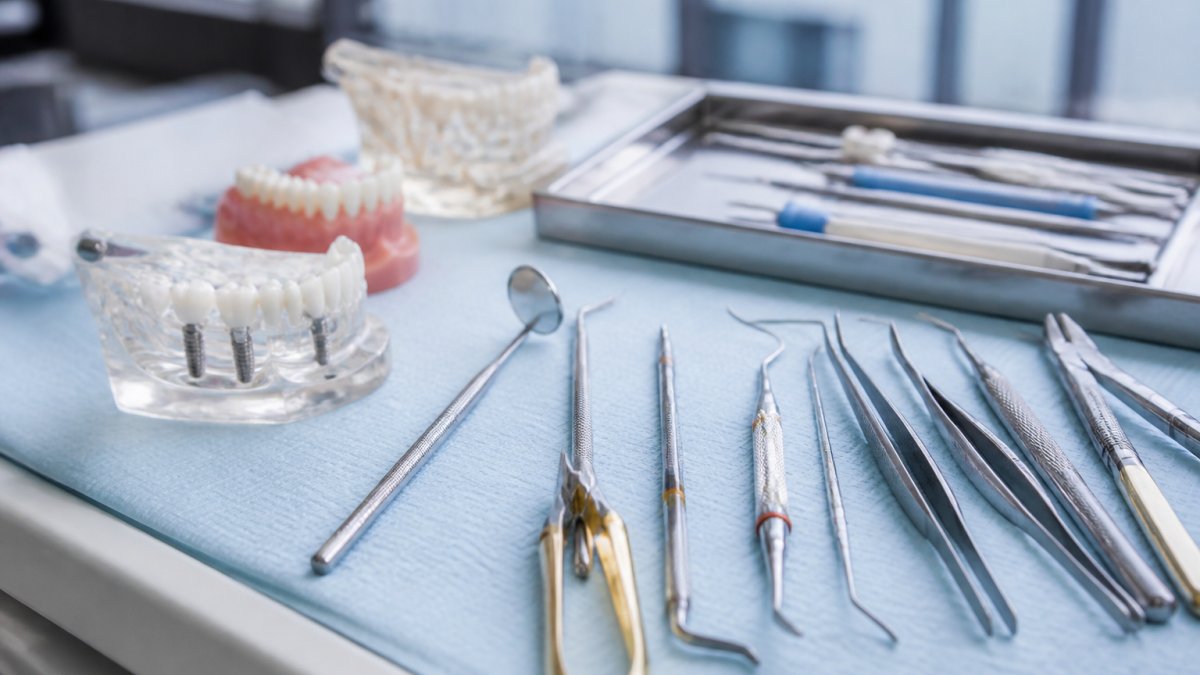
Dental implants are the gold standard for replacing missing teeth. A titanium post is surgically placed in the jawbone and topped with a crown that looks and functions like a natural tooth. Unlike bridges or dentures, implants preserve bone and don't require grinding adjacent teeth.
Implant placement requires careful surgical technique to position the implant at the correct angle and depth for bone integration. Complex cases may require bone grafting or sinus lifting before implant placement.
Implant success depends on bone quality, overall health, and smoking status. Patients with significant bone loss, uncontrolled diabetes, or heavy smoking have lower success rates. A specialist evaluation determines candidacy and needed preparatory work.
Implant treatment typically takes 4-8 months from start to finish, including bone grafting if needed, implant placement, and crown fabrication. This timeline allows full bone integration, creating a stable foundation for a lasting restoration with proper care.
Why Does My Jaw Click When I Chew Food: Periodontal Health and TMJ Considerations
Jaw clicking or popping when chewing often signals a problem with your temporomandibular joint (TMJ), the hinge connecting your jaw to your skull. This clicking may be painless initially, but it can progress to pain, limited opening, or locking of the jaw. Periodontal disease, infection and inflammation of the gums and bone supporting your teeth, can contribute to TMJ problems by affecting the stability of your bite.
When teeth are missing or have shifted due to gum disease, your bite becomes misaligned. Your jaw muscles work harder to close your teeth together, straining the TMJ and causing clicking or pain. Restoring missing teeth with implants or other restorations, combined with treatment of the underlying periodontal disease, often resolves TMJ symptoms.
A periodontist specializes in treating gum disease and the bone loss it causes. They use scaling and root planing to remove bacteria and tartar below the gum line, and they may recommend surgical procedures to regenerate lost bone. By restoring periodontal health, they help stabilize your bite and reduce stress on the TMJ.
If you experience jaw clicking along with gum bleeding, loose teeth, or tooth sensitivity, you likely have both periodontal disease and a bite problem. Addressing the periodontal disease is the first step. Your dentist or periodontist can then determine whether your bite needs correction through orthodontics, restorations, or other interventions.
Benefits of Seeing a Dental Specialist for Complex Cases
Specialist care offers advantages that general dentistry cannot match. A periodontist sees gum disease cases daily and knows how to stop bone loss and regenerate tissue. An endodontist has specialized training in complex root canal treatments and endodontic surgery. An oral surgeon has extensive experience with implant placement and knows how to handle complications.
Specialists also have equipment general dentists don't use. Cone beam CT scanners provide 3D imaging that reveals bone density, canal anatomy, and implant positioning with precision impossible on standard X-rays. Microscopes magnify the root canal system, allowing endodontists to see and clean areas that would be invisible to the naked eye. Specialized surgical instruments and bone grafting materials give specialists more options when general approaches won't work.
Beyond technical skill, seeing a specialist means getting a second opinion from someone with deep expertise in your specific problem. They can often identify solutions a general dentist might have missed. They're also better equipped to manage complications if they arise during treatment.
Many patients worry that specialist care will be more expensive. While individual procedures may cost more, specialist treatment often aims for successful outcomes that can reduce the need for repeat procedures. A failed root canal that requires retreatment, or an implant that fails and needs replacement, can incur additional costs compared to getting it right initially with specialist care.
What to Expect During Oral Surgery Recovery
Recovery from oral surgery varies depending on the procedure. Simple extractions might require only a few days of care. Surgical extractions, implant placement, or bone grafting typically require a period of restricted activity, with complete healing taking several months.
The first 24-48 hours are critical. Bleeding, swelling, and discomfort peak during this time. You'll be given specific instructions: bite on gauze to control bleeding, apply ice to reduce swelling, take prescribed pain medication, and avoid disturbing the surgical site. Most people can return to light activity after a few days, but strenuous exercise should wait for a period advised by your specialist.
Swelling peaks around day 2-3, then gradually improves over the next week.
Pre-Procedure Preparation and Managing Dental Anxiety
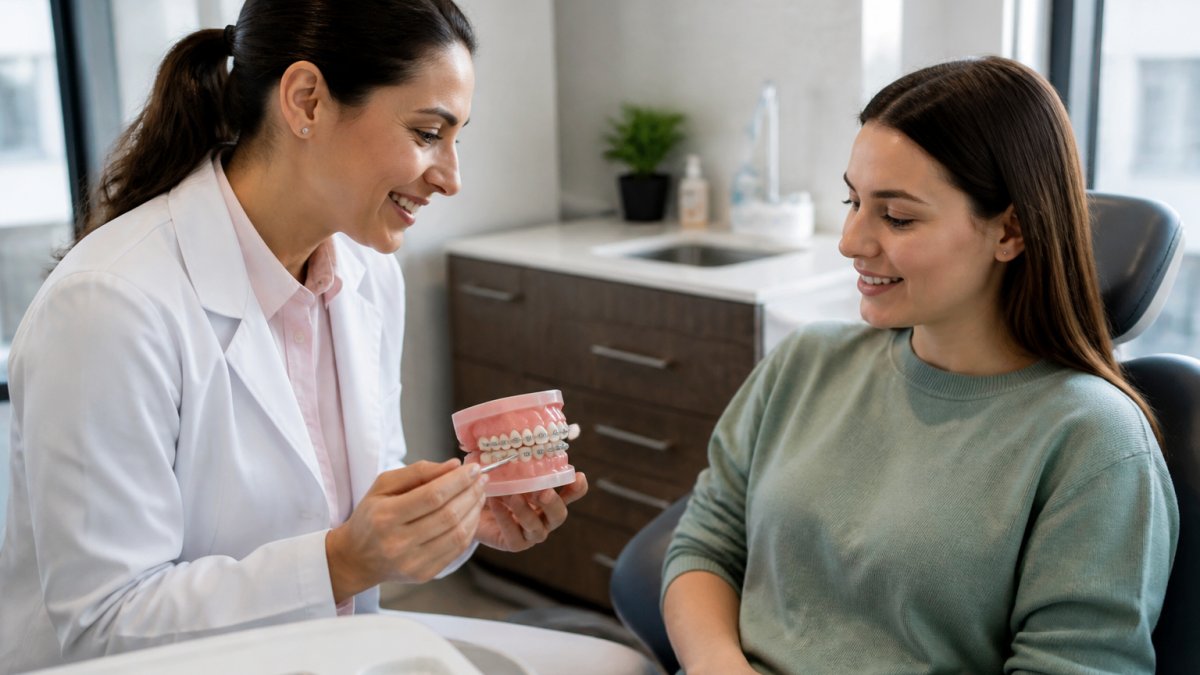
Preparing for complex dental procedures reduces anxiety and improves outcomes. Start by understanding exactly what your specialist will do. Ask your dentist to explain the procedure, show you models or images, and answer all your questions. Knowledge reduces fear.
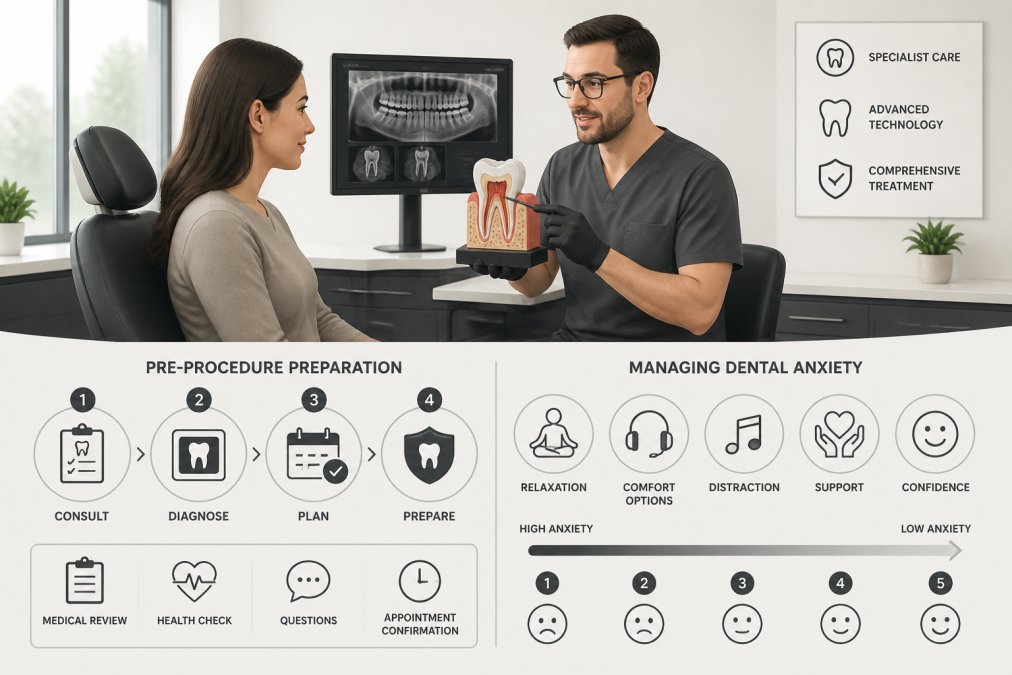
| Preparation Step | Timing | Why It Matters |
|---|---|---|
| Understand the procedure | 1-2 weeks before | Reduces fear and sets realistic expectations |
| Discuss sedation options | 1 week before | Ensures comfort during treatment |
| Arrange transportation | 1 week before | Necessary if sedation is used |
| Optimize health (sleep, diet, hydration) | 3-7 days before | Improves healing and reduces complications |
| Stop smoking | 1+ weeks before | Smoking delays healing and increases infection risk |
| Arrange recovery time | 1 week before | Allows proper rest without stress |
Frequently Asked Questions
What exactly is a complex dental procedure, and how do I know if I need one?
Complex dental procedures involve multiple teeth, significant bone loss, advanced infection, or require specialized surgical techniques. Signs you may need one include severe tooth pain, loose teeth due to gum disease, missing teeth requiring implants, or a tooth that has failed previous treatment. Your general dentist will refer you to a specialist if your case requires expertise beyond routine care. A consultation with a dental specialist can confirm whether your situation qualifies as complex.
Are root canals painful, and how do specialists make them more comfortable?
Modern root canal therapy, or endodontic treatment, uses local anesthesia to numb the tooth completely before treatment begins. Most discomfort comes from the infection itself, not the procedure. Specialists use advanced techniques, precise instruments, and sometimes sedation options to keep you comfortable. Many patients report that the relief from their pain after treatment far outweighs any discomfort during the procedure.
What are the typical recovery timelines after oral surgery?
Recovery varies by procedure complexity. After tooth extraction, swelling typically peaks within a few days and subsides within a week or two. Dental implant surgery requires time for bone integration before restoration. Periodontal surgery typically shows initial healing within a few weeks. Your specialist will provide specific post-operative instructions, including activity restrictions, medication, and follow-up appointments to monitor healing.
Why should I see a dental specialist instead of my general dentist for complex cases?
Dental specialists complete additional training in their field, such as endodontics for root canals, periodontics for gum disease, or oral surgery for extractions. They use advanced diagnostic tools, specialized instruments, and refined techniques that improve outcomes and reduce complications. Specialists handle cases that fall outside general dentistry scope, and they work collaboratively with your general dentist to ensure coordinated care throughout your treatment.