 listicle
How to Choose a Specialist for Braces: 7 Key Steps
Table of Contents
- Why Choosing the Right Specialist for Braces Matters
- Step 1: Verify Orthodontist Credentials and Board Certification
- Step 2: Assess Treatment Options and Technology
- Step 3: Ask the Right Questions to Ask an Orthodontist
- Step 4: Understand the Orthodontic Treatment Timeline
- Step 5: Compare Costs and Payment Options
- Step 6: Evaluate Patient Experience and Comfort
- Step 7: Schedule a Consultation and Make Your Decision
- Frequently Asked Questions
Last Updated: October 6, 2026
Why Choosing the Right Specialist for Braces Matters
Selecting an orthodontist isn't just about finding someone who can straighten teeth. The right specialist brings experience, modern technology, and a treatment approach tailored to your specific needs. At EPO Dental Specialists, we understand that this decision shapes your entire orthodontic journey, from the initial consultation through the final retention phase.
The difference between an adequate orthodontist and an exceptional one shows up in treatment outcomes, comfort during the process, and long-term results. A specialist who listens to your concerns and explains options clearly will make the experience far less stressful. You'll also benefit from access to the latest treatment technologies and techniques, which can shorten treatment time and improve results.
This guide walks you through seven essential steps to choose specialist braces that align with your dental goals, lifestyle, and budget. Whether you're considering metal braces, ceramic braces, clear aligners, or lingual braces, these steps will help you make an informed decision.
Step 1: Verify Orthodontist Credentials and Board Certification
The foundation of choosing a specialist for braces starts with confirming qualifications. An orthodontist must complete dental school followed by a specialized 2-3 year orthodontic residency program. Board certification goes a step further, it demonstrates that a specialist has met rigorous standards and maintains current knowledge through continuing education.
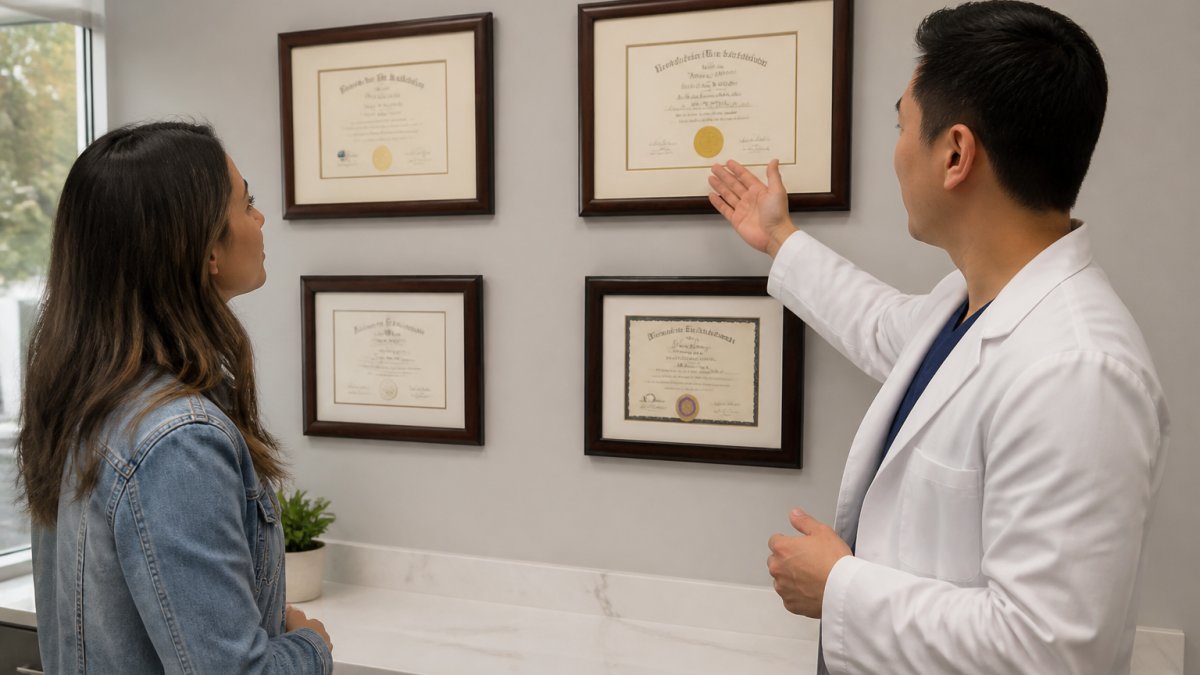
What Board Certification Means
Board certification means an orthodontist has passed comprehensive examinations administered by the American Board of Orthodontics (ABO). This credential signals that the specialist meets high clinical and ethical standards. Board-certified orthodontists commit to ongoing professional development to keep their certification active. It's one of the clearest indicators that you're working with someone who takes their expertise seriously.
Not all licensed orthodontists are board-certified, some choose not to pursue it. While non-board-certified specialists may still provide quality care, board certification offers an objective measure of commitment to the field.
How to Check Credentials Online
Start by verifying the orthodontist's license through your state dental board's website. Most states maintain public databases where you can search by name and confirm active licensure status. For board certification, visit the American Board of Orthodontics directory to verify that credential independently.
Ask the practice directly for their credentials during your initial call or consultation. A reputable orthodontist will be transparent about their education, training, and certifications. If they hesitate to share this information, that's a red flag.
Step 2: Assess Treatment Options and Technology
Modern orthodontic care offers multiple approaches to straightening teeth. The right specialist will discuss all options and explain which ones suit your specific case. This step helps you understand what's available and what makes sense for your situation.
Metal Braces, Ceramic Braces, and Lingual Braces
Metal braces remain the most common choice. They're durable, effective, and typically the most affordable option. Brackets are bonded to the front of teeth, connected by wires that apply gradual pressure. Many people choose metal braces because they're reliable and often deliver results quickly.
Ceramic braces work the same way as metal braces but use tooth-colored or clear brackets, making them less visible. They're popular with adults and older teens who want a discreet appearance. Ceramic brackets are slightly more fragile than metal and can stain if not kept clean, so they require more careful maintenance.
Lingual braces attach to the back of teeth, making them invisible from the front. They're highly discreet but more challenging to clean and adjust. Treatment time may be longer, and they typically cost more than traditional options. Lingual braces suit patients who prioritize appearance above all other factors.
Clear Aligners and Digital Imaging
Clear aligners like Invisalign use a series of custom-made plastic trays to gradually shift teeth. They're removable, making eating and cleaning easier. Many patients prefer the aesthetic appeal and convenience. However, they require discipline, you must wear them 20-22 hours daily for them to work effectively.
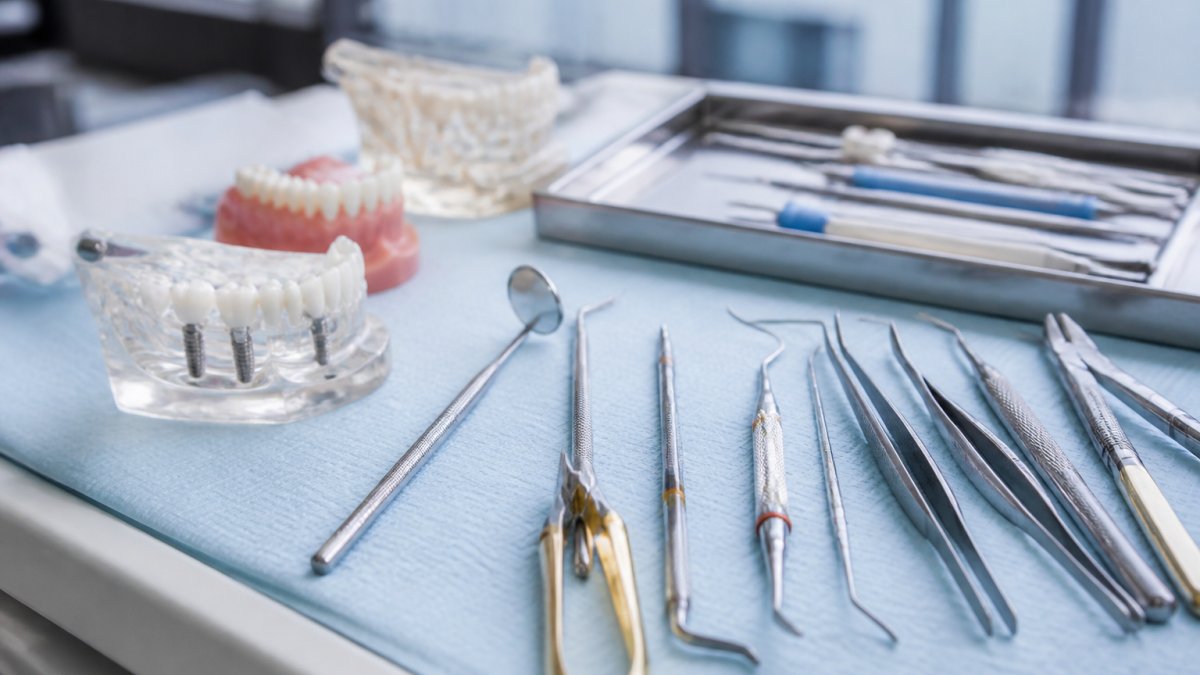
Ask whether the practice uses digital imaging technology. Cone beam scanners and 3D digital models provide precise images that help the orthodontist plan treatment accurately. Digital technology often leads to more efficient treatment and better predictability of results. A specialist using advanced imaging demonstrates investment in current best practices.
Step 3: Ask the Right Questions to Ask an Orthodontist
Your consultation is your opportunity to assess whether this specialist is right for you. Come prepared with questions that reveal their approach, experience, and philosophy.
Questions About Your Specific Dental Needs
Start by asking how the orthodontist would address your particular situation. Ask: "What are the main issues with my bite and tooth alignment?" A good specialist will explain your specific needs clearly, using terms you understand. They should avoid overwhelming jargon or making you feel rushed.
Ask about treatment options for your case specifically. Some orthodontists may recommend one approach exclusively, while others present multiple paths. A specialist who explores options tailored to your goals demonstrates patient-centered care. Ask which option they'd recommend and why, their reasoning should be logical and based on your individual needs, not just their preferred method.
Questions About Treatment Approach and Experience
Inquire about the orthodontist's experience with cases similar to yours. If you have a complex bite issue, ask how many complex cases they've treated and what outcomes they achieved. If you're an adult, ask about their experience with adult orthodontics, which sometimes requires different strategies than treating teenagers.
Ask about the typical treatment timeline for your case. While no specialist can predict exactly, they should give you a realistic range based on their experience. If one orthodontist quotes significantly shorter treatment time than others, ask why, sometimes faster claims mask less thorough planning.
Step 4: Understand the Orthodontic Treatment Timeline
Treatment duration varies widely based on the complexity of your case, the type of braces you choose, and how well you follow care instructions. Understanding realistic timelines helps you set proper expectations.
Most straightforward cases take 18-24 months with metal braces. More complex cases, severe crowding, significant bite problems, or previous orthodontic treatment, may extend to 2-3 years. Clear aligners sometimes take slightly longer than metal braces for complex cases, though they can be faster for mild to moderate issues.
Your compliance matters significantly. Wearing aligners the required hours, maintaining excellent oral hygiene, and attending all appointments as scheduled all accelerate progress. Missing appointments or not following care instructions can extend treatment time by months.
Ask your orthodontist what factors might lengthen or shorten your specific timeline. Understanding the variables helps you make informed decisions about treatment choice and commitment level.
Step 5: Compare Costs and Payment Options
Orthodontic treatment represents a significant investment. Costs vary based on treatment complexity, the type of braces, and your geographic location. Rather than shopping purely on price, evaluate the overall value, what you're getting for your investment matters as much as the dollar amount.
Different specialists may quote different fees for similar cases. Some practices include all follow-up adjustments, retainers, and emergency visits in their initial fee. Others charge separately for these services. Ask for a detailed breakdown so you understand exactly what's included.
Inquire about payment plans and financing options. Many orthodontic practices offer monthly payment plans that spread costs over your treatment period, making care more manageable. Some accept dental insurance, which may cover a portion of treatment costs.
Ask about their policy on retainers and long-term follow-up care. Retainers are essential to maintain your results after braces come off. Some practices include retainers in their initial fee; others charge separately. Understanding these costs upfront prevents surprises later.
Step 6: Evaluate Patient Experience and Comfort
How you feel during treatment matters. You'll spend considerable time at this practice, so the environment, staff demeanor, and overall experience should support your comfort and confidence.
During your consultation, notice how the staff treats you. Do they listen to your concerns? Do they explain procedures clearly? A welcoming environment where you feel heard indicates a practice that values patient experience.
Ask about pain management and comfort measures. While some discomfort is normal when braces are adjusted, it shouldn't be severe. Ask what the practice does to minimize discomfort, do they use wax, provide numbing gel, or offer other comfort options? A specialist committed to patient comfort will have strategies in place.
Inquire about their approach to dental anxiety. If you're nervous about treatment, ask how they work with anxious patients. Some practices offer sedation options, take extra time with nervous patients, or use other techniques to ease anxiety.
Step 7: Schedule a Consultation and Make Your Decision
Most orthodontists offer free or low-cost initial consultations. Use this opportunity to meet the specialist, see the facility, and get a feel for whether this practice is right for you.
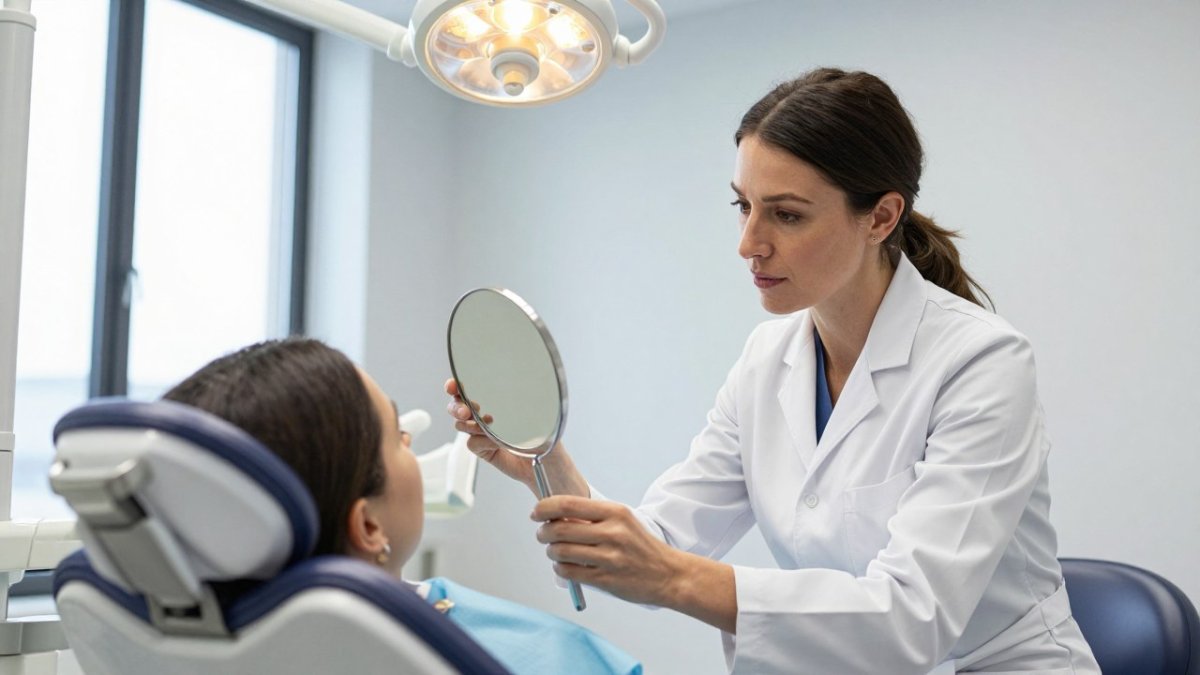
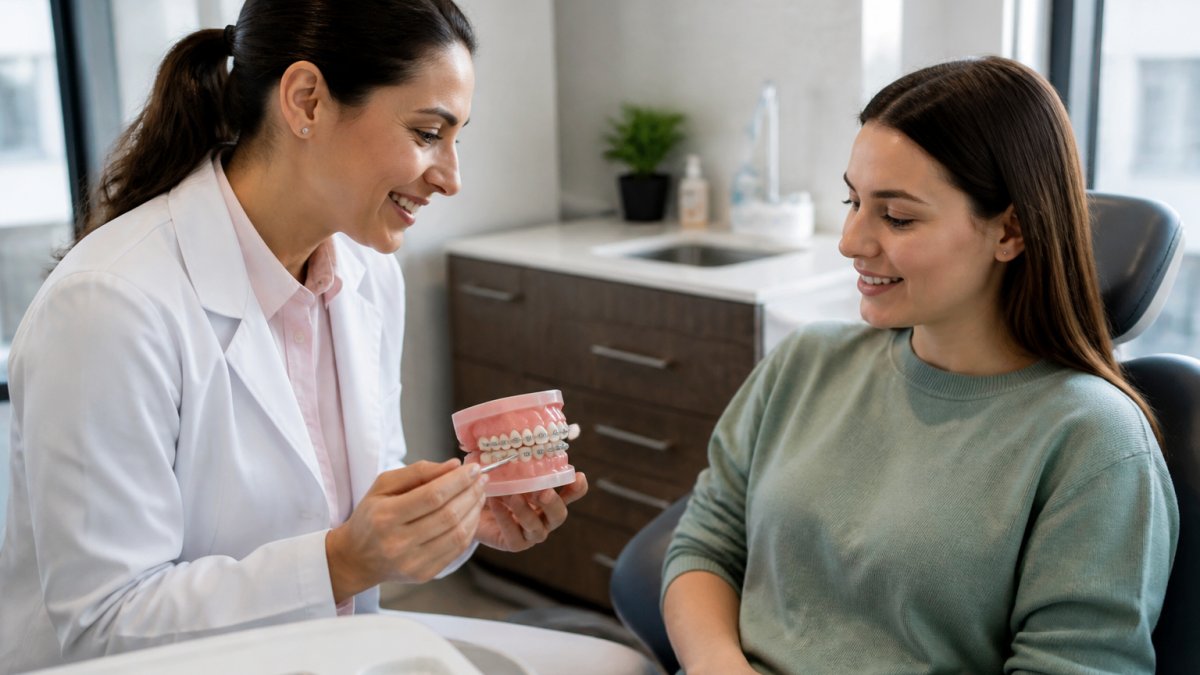
During the consultation, the orthodontist should examine your teeth and bite, discuss findings with you, and answer your questions. They should explain their recommended treatment plan clearly and address any concerns you raise. Pay attention to whether they listen to you and respect your input.
After your consultation, take time to reflect before committing.
| Decision Factor | What to Evaluate | Red Flags |
|---|---|---|
| Credentials | Board certification, years of experience, relevant training | Unwilling to share credentials, vague about experience |
| Technology | Digital imaging, modern bracket systems, advanced techniques | Outdated equipment, no digital tools |
| Communication | Clear explanations, listens to concerns, answers questions thoroughly | Rushes through consultation, dismisses your questions |
| Treatment Plan | Customized to your needs, realistic timeline, multiple options discussed | One-size-fits-all approach, unrealistic promises |
| Comfort Level | Welcoming staff, comfortable environment, anxiety management | Rushed appointments, dismissive attitude |
| Cost Transparency | Clear fee breakdown, payment plan options, explains what's included | Hidden fees, vague pricing, pressure to decide immediately |
Trust your instincts. Orthodontic treatment is a partnership between you and your specialist. You want someone who is skilled, communicates clearly, and genuinely cares about your results. If something feels off during your consultation, it's worth exploring other options.
At EPO Dental Specialists, we believe that when you choose specialist braces, the process should feel straightforward and confident. We use advanced technology including digital imaging to plan your care precisely, and our board-certified specialists bring years of experience to complex and straightforward cases alike. Learn more about choosing the right orthodontist through the American Association of Orthodontists, or request a consultation with our team to discuss your specific needs and explore which treatment approach makes sense for your situation.
Frequently Asked Questions
What should I ask before choosing an orthodontist for braces?
Ask about the orthodontist's credentials, years of experience with your specific case type, which treatment options they recommend and why, expected treatment duration, total cost and payment plans, how often you'll have appointments, and what happens if complications arise. Also ask about their experience with patients who have dental anxiety or special needs. These questions help you understand whether the specialist is right for your situation and whether you feel comfortable in their care.
How do I verify an orthodontist's credentials and board certification?
Check the American Board of Orthodontics (ABO) directory at aboinfo.org to verify board certification. Look for a diploma from an accredited orthodontic residency program, which typically requires 2-3 years of specialized training after dental school. Ask to see their credentials in person during your consultation. Board certification shows the orthodontist has met rigorous clinical and examination standards and stays current with continuing education requirements.
How long does orthodontic treatment take, and does it vary by treatment type?
Orthodontic treatment typically takes 18-24 months, though some cases may be faster or longer depending on the complexity of your bite and tooth alignment needs. Metal braces, ceramic braces, and clear aligners generally have similar timelines for most patients. Your orthodontist will give you a more specific estimate after examining your teeth and jaw structure. Factors like age, the severity of misalignment, and how well you follow care instructions can affect the total treatment duration.
Should I choose braces or clear aligners, and how do I decide?
Metal braces are typically more affordable and work well for complex bite issues. Ceramic braces are less visible but more fragile. Clear aligners like Invisalign are removable and discreet but work best for mild to moderate cases and require discipline to wear consistently. Your orthodontist will recommend the best option based on your dental needs, lifestyle, and goals. During your consultation, ask which option they recommend for your specific situation and why.