 how-to
How to Prepare for Root Canal: A Step-by-Step Guide
Table of Contents
- Understanding Root Canal Treatment and Why Preparation Matters
- What to Expect During Your Root Canal Appointment
- Can You Eat Before a Root Canal? Nutrition Guidelines
- Medications, Medical History, and Pre-Appointment Coordination
- How Long Does a Root Canal Take and What Should You Plan For
- Your Root Canal Preparation Checklist: What to Have Ready
- Managing Anxiety and Urgent Symptoms Before Your Appointment
- Conclusion
- Frequently Asked Questions
Last Updated: October 10, 2026
Understanding Root Canal Treatment and Why Preparation Matters
A root canal is a dental procedure that removes infected or damaged tissue from inside your tooth. When the pulp inside your tooth becomes infected or inflamed, a root canal saves the tooth and stops the pain. This endodontic treatment is one of the most effective ways to preserve a natural tooth that might otherwise be lost.
To prepare for root canal treatment, your body responds better to the procedure when you're rested, hydrated, and mentally prepared. This guide walks you through every step so you arrive confident and ready.
What to Expect During Your Root Canal Appointment
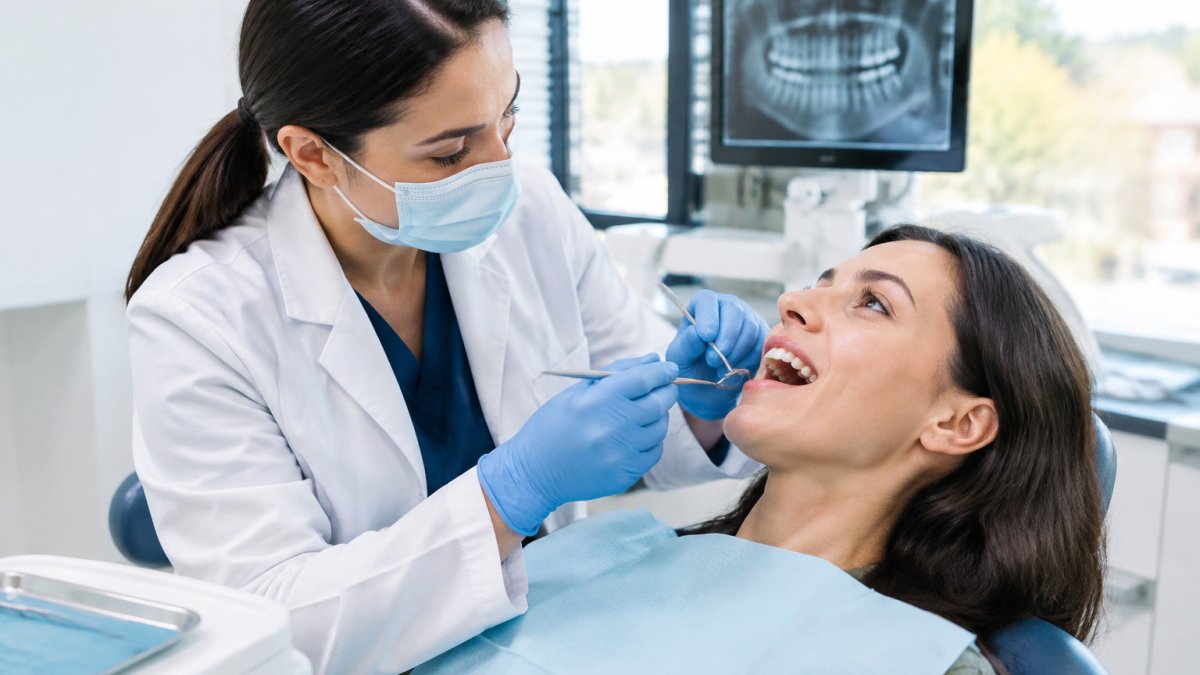
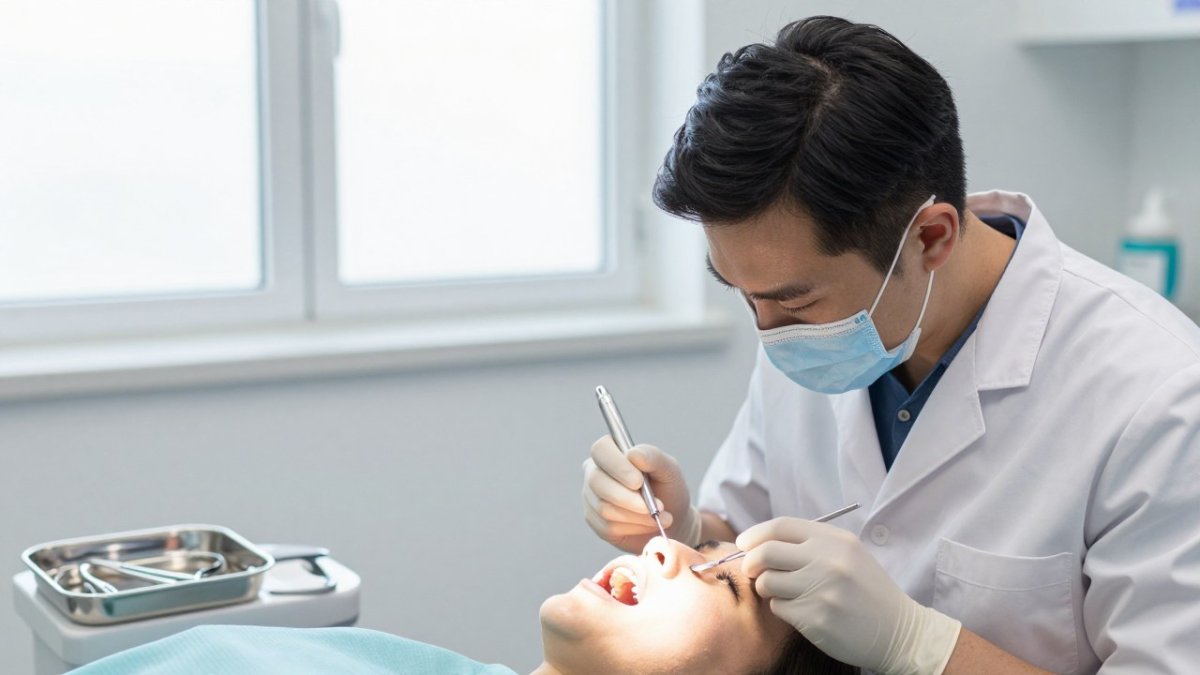
Your endodontist will numb the tooth with local anesthesia, then access the pulp chamber and remove the infected tissue. The canal is cleaned, shaped, and filled with a biocompatible material.
You won't feel pain because the numbing medication blocks sensation. You may feel pressure or vibration from the instruments and hear sounds from the dental tools, all normal.
The appointment usually takes 60 to 90 minutes, though complex cases may take longer. If you need a break, signal your dentist and they'll pause.
After the procedure, your tooth will be sensitive for a few days.
Can You Eat Before a Root Canal? Nutrition Guidelines
Yes, you can eat before a root canal. Eat a light meal 1 to 2 hours before your appointment to keep your blood sugar stable and prevent lightheadedness.
Avoid heavy, greasy, or hard foods right before your appointment. Instead, choose:
- Soft foods like yogurt, applesauce, or soup
- Smoothies or protein shakes
- Toast with peanut butter
- Scrambled eggs
- Oatmeal
Skip sugary snacks or caffeine right before your appointment, as they can cause energy crashes and increase anxiety.
After your root canal, stick to soft foods for the first few days and avoid chewing on the treated side.
Drink plenty of water before and after your appointment. Avoid alcohol for at least 24 hours after the procedure, as it can interfere with healing and interact with pain medications.
Medications, Medical History, and Pre-Appointment Coordination
Before your root canal, call your dentist's office at least 48 hours before your appointment to discuss your medical history and current medications.
Medications to disclose:
- Blood thinners (warfarin, apixaban, rivaroxaban, clopidogrel, aspirin): These increase bleeding during and after the procedure. Never stop taking them on your own, your cardiologist or primary care doctor must approve any change.
- Diabetes medications: Bring a list of your insulin or oral diabetes medications so your dentist can time your appointment appropriately.
- Sedatives or anxiety medications: Tell your dentist before the appointment, as these may interact with sedation options your office offers.
- Over-the-counter pain relievers: Inform your dentist if you regularly take ibuprofen, naproxen, or acetaminophen so they can advise whether to take a dose before or after your appointment.
- Supplements: Herbal supplements like ginkgo biloba, garlic, and ginger can increase bleeding. Disclose all supplements you take.
Allergies and adverse reactions:
Write down any allergies, especially to local anesthetics (lidocaine, articaine, prilocaine), antibiotics (penicillin, amoxicillin, clindamycin), latex, iodine, or contrast dyes.
Medical conditions that affect treatment:
Inform your specialist about diabetes, heart disease, high blood pressure, autoimmune disorders, kidney or liver disease, pregnancy, recent surgeries or hospitalizations, sleep apnea, claustrophobia, or severe anxiety.
What NOT to do before your appointment:
Do not change, stop, or increase any medication without explicit approval from your prescribing physician.
How Long Does a Root Canal Take and What Should You Plan For
The actual root canal procedure typically takes 60 to 90 minutes; complex cases may take up to 2 hours. Plan to block out 2 to 3 hours total, including waiting room time and post-procedure instructions. Bring your insurance card and any forms your dentist's office sent you.
Arrange for someone to drive you if you're receiving sedation.
After your appointment, plan a quiet afternoon. Avoid eating or drinking until the numbness wears off to prevent accidentally biting your cheek or lip. Rest for the remainder of the day and avoid strenuous exercise or heavy lifting for at least 24 hours.
Your Root Canal Preparation Checklist: What to Have Ready
To prepare for root canal success, follow a timeline that keeps you organized. Use this day-by-day guide to stay organized and arrive confident.

3-5 days before your appointment:
- Call your dentist's office to confirm the appointment time and location.
- Gather a list of all medications you take, including dosages and frequency. Include over-the-counter drugs and supplements.
- Write down any allergies or adverse reactions you've had to medications or anesthetics.
- Note any medical conditions (diabetes, heart disease, autoimmune disorders, pregnancy, sleep apnea).
- If you take blood thinners, contact your primary care doctor to ask whether you should pause them before your appointment. Do not make this decision on your own.
- Schedule transportation if you're receiving sedation. Arrange for a trusted friend or family member to drive you home.
- If you have significant dental anxiety, call your dentist and ask about sedation options or anxiety-management strategies.
The day before your appointment:
- Brush and floss gently. Do not use a water flosser or aggressive brushing, as this can irritate an already-sensitive tooth.
- Get a full night of sleep. Aim for 7-9 hours. If you feel anxious and can't sleep, that's normal, one night of poor sleep won't affect your procedure.
- Eat a normal dinner. Avoid very hard, sticky, or crunchy foods that might aggravate your tooth.
- Write down any questions or concerns you want to discuss with your endodontist. Bring this list with you.
- Gather your insurance card, photo ID, and any referral paperwork from your general dentist.
- Prepare a comfortable outfit for the next day: loose-fitting clothing that doesn't restrict your neck or shoulders.
- Avoid alcohol the evening before. Alcohol can interfere with sleep quality and increase anxiety.
- Do not smoke or use tobacco products. Smoking slows healing and increases infection risk (the CDC).
The morning of your appointment:
- Eat a light breakfast if your appointment is later in the day (after 11 a.m.). Choose soft foods like yogurt, oatmeal, scrambled eggs, or toast with peanut butter. Avoid heavy, greasy, or sugary foods.
- If your appointment is early (before 10 a.m.), you may skip breakfast or have just coffee or tea. Ask your dentist's office for their recommendation.
- Take any regularly scheduled medications as normal, unless your doctor told you to pause them.
- Brush your teeth gently and rinse with water. Do not use mouthwash with alcohol, as it can be irritating.
- Avoid excessive caffeine. One cup of coffee is fine, but multiple cups can increase anxiety.
- Do not wear heavy perfume, cologne, or scented products. Strong scents in a dental office can feel overwhelming.
- Wear your comfortable outfit and bring your phone and charger.
- Arrive 10-15 minutes early to check in without rushing.
What to bring to your appointment:
- Insurance card and photo ID
- List of current medications with dosages
- Allergy information and medical history summary
- Any referral paperwork or pre-visit forms from your dentist
- Your written list of questions or concerns
- Phone and charger
- A water bottle (stay hydrated before the procedure)
Immediately after your appointment (first 2-3 hours):
- Your mouth will be numb. Avoid eating, drinking, or chewing until the numbness wears off completely. This prevents you from accidentally biting your cheek, lip, or tongue.
- Rest in a quiet space. Avoid strenuous activity, heavy lifting, or exercise for at least 24 hours.
- If you received sedation, do not drive, operate machinery, or make important decisions for the rest of the day.
- Take pain medication as directed by your endodontist. Over-the-counter ibuprofen or acetaminophen is often sufficient, but your dentist may recommend a prescription pain reliever.
- Apply an ice pack to the outside of your cheek for 15 minutes on, 15 minutes off, for the first few hours if you experience swelling.
The first 24 hours after your appointment:
- Stick to soft foods: yogurt, applesauce, mashed potatoes, soup, smoothies, scrambled eggs, oatmeal.
- Avoid chewing on the side of your mouth where the procedure was done.
- Do not smoke or use tobacco products.
- Avoid alcohol, especially if you're taking pain medication.
- Do not rinse, spit forcefully, or use a straw. These actions can dislodge the temporary filling.
- Sleep with your head elevated on 2-3 pillows to reduce swelling.
- Continue taking any prescribed antibiotics as directed.
Days 2-7 after your appointment:
- Continue soft foods until your permanent restoration (crown or filling) is placed.
- Gradually return to normal oral hygiene, but be gentle around the treated tooth.
- Avoid very hot foods and drinks for the first week.
- If sensitivity persists, use a toothpaste formulated for sensitive teeth.
- Attend your follow-up appointment to have the temporary filling replaced with a permanent restoration.
Managing Anxiety and Urgent Symptoms Before Your Appointment
Dental anxiety is common. The more you know about what to expect, the less anxious you'll feel. Deep breathing exercises, meditation, or calming music the day before can help. If you have significant dental anxiety, tell your specialist before your appointment, sedation options are available to help you relax while remaining conscious.
If you develop a fever above 101 degrees, severe swelling, difficulty swallowing, a broken tooth, or sudden severe pain before your appointment, contact your dentist immediately. These signs may indicate a spreading infection that needs prompt attention.
Conclusion
Preparing for a root canal means taking care of your body, gathering your medical information, and calming your mind. EPO Dental Specialists specializes in endodontic treatment and uses state-of-the-art technology to ensure precise, comfortable care. Our team works closely with your general dentist to create a personalized treatment plan.
Frequently Asked Questions
What should I do before a root canal appointment?
Start by gathering your medical history and current medication list to share with your endodontist. Eat a light meal 1-2 hours before treatment, avoid alcohol and tobacco for 24 hours before, and get adequate sleep the night before. Wear comfortable, loose-fitting clothing and arrange transportation if you'll receive sedation. Notify your dentist of any allergies, anxiety concerns, or urgent symptoms like severe swelling. Follow any specific instructions your dental office provides.
Can you eat before a root canal?
Yes, you can and should eat a light meal 1-2 hours before your root canal appointment. A light breakfast or lunch helps stabilize your blood sugar and prevents nausea during treatment. Avoid heavy, greasy, or hard foods that require extensive chewing. Do not eat within 30 minutes of your appointment if you're receiving sedation, as an empty or very full stomach can increase nausea risk. Ask your dental office for specific eating guidelines based on your anesthesia plan.
How long does a root canal take?
A typical root canal appointment lasts 60-90 minutes, though complex cases may take longer. The actual treatment time depends on tooth location, infection severity, and root canal complexity. Your initial appointment may include diagnostic imaging and numbing, which adds time. Ask your endodontist for an estimated duration during your consultation. Plan for additional time if you're receiving sedation, which requires monitoring and recovery time.
Should I take my usual medications before a root canal?
Continue taking most regular medications as prescribed unless your endodontist instructs otherwise. Bring a complete list of all medications, supplements, and over-the-counter drugs to your appointment. If you take blood thinners, inform your dentist before treatment. For anxiety or pain management, discuss whether to take pain relievers before the appointment. Your endodontist may prescribe antibiotics if infection is present. Never stop prescribed medications without consulting your physician.
Ready to move forward? Schedule your root canal consultation with EPO Dental Specialists and take the first step toward relief and a healthier smile.