 how-to
Manage Dental Anxiety During Root Canal: A Practical Guide
Table of Contents
- Understanding Dental Anxiety and Root Canal Fear
- How to Tell Your Dentist You Are Nervous
- What to Expect During a Root Canal
- How to Calm Down During a Root Canal
- Sedation Options for Root Canal Treatment
- Preparing Before Your Root Canal Appointment
- Sedation Options for Root Canal Treatment
- After Your Root Canal: Recovery and Aftercare
- Frequently Asked Questions
Last Updated: October 8, 2026
Understanding Dental Anxiety and Root Canal Fear
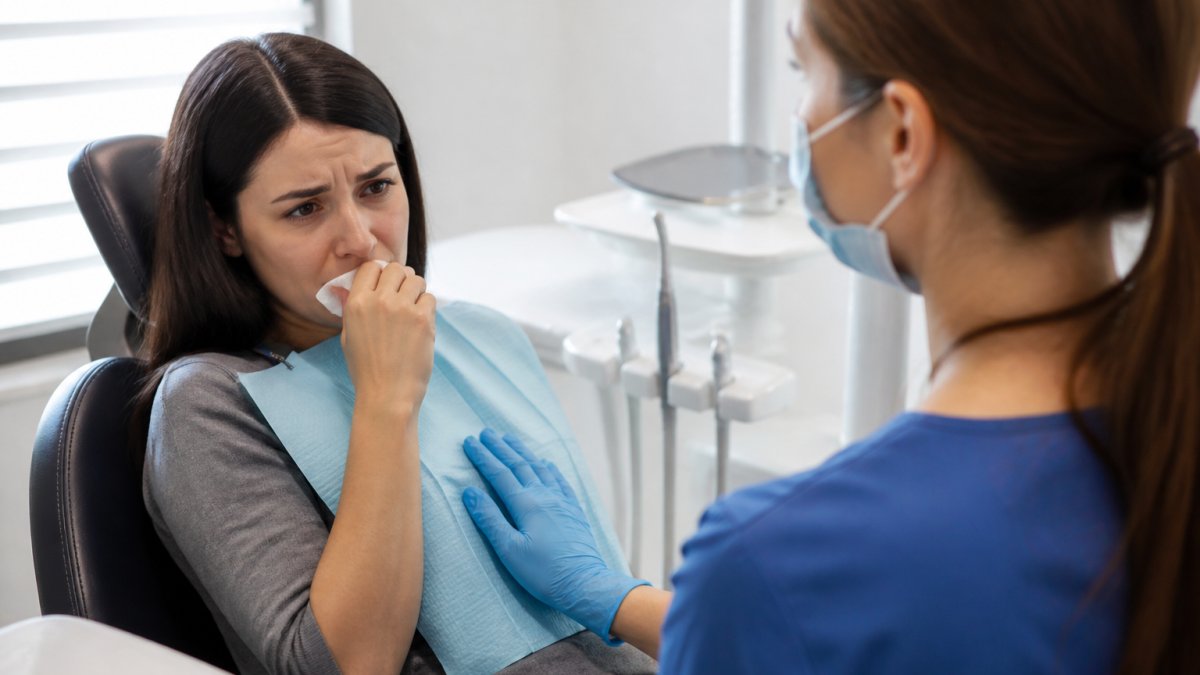
Dental anxiety is real, and learning how to manage dental anxiety root canal procedures is essential for many patients. The worry often stems from stories, past experiences, or the unknown. At EPO Dental Specialists, we understand that your fears are valid.
Root canal anxiety happens for several reasons: the procedure takes time, the sounds and sensations feel unfamiliar, and myths about pain abound. Together these create genuine stress before you even sit in the chair.
The good news: you can manage dental anxiety root canal treatment is manageable with the right support and preparation.
How to Tell Your Dentist You Are Nervous
Speaking up is the first step, your dentist needs to know so they can adjust their approach.
Start early: call ahead or mention it at check-in. Use simple, direct language: "I'm nervous about this procedure. I'd like to talk about ways to make it easier."
Be specific about what worries you most:
- The sounds of dental tools
- The sensation of numbness or pressure
- How long the procedure takes
- Whether you'll feel pain
Your dentist can address each concern by explaining the process step-by-step, showing you the instruments, or adjusting their technique. At EPO Dental Specialists, we create a plan that works for you.
Ask questions, there are no silly ones, and understanding treatment reduces fear. Ask about:
- How long the root canal will take
- What you'll feel and hear
- When numbing medication takes effect
- How to signal if you need a break
What to Expect During a Root Canal
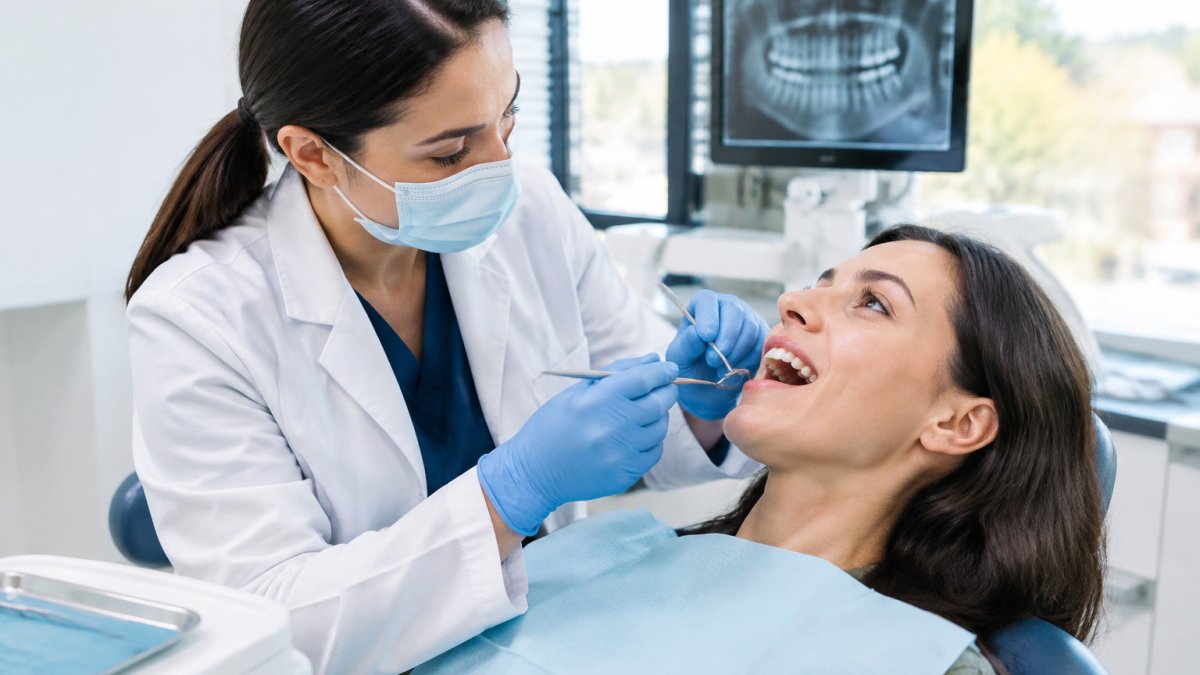
Knowing what happens inside your mouth reduces anxiety. Root canal treatment removes infected or damaged tissue from inside your tooth.
Your dentist numbs the area with local anesthesia first, which takes 5-10 minutes. You'll feel pressure as the needle goes in, then a slight sting, then numbness.
The procedure itself typically takes 30 minutes to 2 hours, depending on tooth complexity. Your dentist will:
- Access the inside of your tooth
- Remove infected tissue
- Clean and shape the root canal
- Fill the space with a special material
- Close the access hole
Throughout the procedure, your mouth stays open. Your dentist uses a rubber dam to keep the tooth dry and isolate it from saliva.
You'll hear the suction tool, the drill, and water spray.
How to Calm Down During a Root Canal
Staying calm is a skill, not a personality trait. The patients who handle root canals best arrive with a concrete plan for when fear spikes, build that plan before you sit in the chair.
Agree on a Stop Signal Before Treatment Starts
Before your dentist picks up an instrument, agree on a physical signal meaning "stop everything right now." A raised hand is the standard, it works even when your mouth is full and you cannot speak.
Be explicit about what the signal means:
- Raised hand = stop immediately, remove instruments, give me a moment
- Two fingers up = I need to swallow or breathe
- Tapping the armrest = I am uncomfortable but can continue if you adjust
Say it out loud before treatment: "If I raise my hand, please stop. I will tell you when I am ready to continue." A dentist who agrees respects your control; one who brushes it off is useful information.
The 3-3-3 Pause Plan
When anxiety peaks mid-procedure, you need a script, not a vague intention to "stay calm." Use a three-step pause:
- Signal, raise your hand. The dentist stops.
- Reset, take three slow breaths through your nose, swallow, and sip water if offered.
- Restate, say one sentence about what you need: "I need thirty more seconds," or "The suction sound is bothering me," or "I am okay, please continue."
A 30-second pause resets your nervous system and costs the appointment almost nothing.
Breathing That Actually Works Under Stress
Box breathing (4-4-4-4) is easy to remember with instruments in your mouth:
- Inhale through the nose for 4 counts
- Hold for 4 counts
- Exhale through the nose for 4 counts
- Hold for 4 counts
- Repeat 5-10 cycles
Start in the waiting room so your body is regulated when treatment begins. With a nitrous oxide mask, coordinate your breathing with it rather than fighting it.
Sensory Strategies for Sound and Sensation
Root canal anxiety is often sensory. The drill pitch, suction, rubber dam, and vibration all feed the fear, counter them directly:
- Noise-canceling headphones with music, a podcast, or a guided meditation block the drill sound, the single most-cited trigger.
- Sunglasses or an eye mask remove the visual cues of instruments and bright light.
- A weighted lap blanket provides grounding pressure that many anxious patients find regulating.
- A stress ball or fidget in one hand gives your nervous system an outlet that is not tensing your jaw.
Ask in advance whether the office allows these items, most do.
If You Have Past Dental Trauma or Panic Symptoms
Standard relaxation tips assume ordinary nervousness. If you have a history of dental trauma, panic attacks, PTSD, or sensory processing differences, tell your dentist before the appointment, not in the chair. Ask: "Do you offer trauma-informed care? Can we schedule extra time? Can I tour the operatory beforehand?"

Sedation Options for Root Canal Treatment
Sedation is a spectrum from mild relaxation to full monitored sleep. Choosing well means matching the level to your anxiety, health history, and the logistics of your day.
Nitrous Oxide (Laughing Gas)
What it is: A blend of nitrous oxide and oxygen delivered through a small nose mask. You breathe normally and the effect begins within minutes.
What you feel: Relaxed, slightly floaty, sometimes giggly.
Eligibility: Well tolerated by most healthy adults and children. Tell your dentist if you are pregnant, have a history of pneumothorax, or have a vitamin B12 deficiency.
Logistics: You can drive yourself home; effects wear off within minutes of removing the mask.
Best for: Mild to moderate anxiety, shorter appointments, patients who want to stay in control.
Oral Sedation
What you feel: Drowsy, relaxed, and often amnesic for parts of the procedure. You remain responsive but may not remember much.
Eligibility: Depends on your health history, medications, and any sleep apnea or respiratory conditions. Older adults and those on multiple medications need closer review.
Logistics: You cannot drive for the rest of the day, arrange a ride and skip work or decisions afterward.
Best for: Moderate to severe anxiety, longer appointments, patients who prefer not to be fully aware.
IV Sedation
What it is: Medication delivered through an IV line by a trained sedation provider, adjustable in real time during the procedure.
What you feel: Deep relaxation, often drifting in and out of sleep. Many patients remember little or nothing.
Eligibility: Requires a health evaluation; certain heart, lung, and airway conditions may rule it out.
Logistics: A responsible adult must drive you home and stay with you for several hours. You cannot drive, work, or care for dependents that day.
Best for: Severe anxiety, complex or lengthy root canals, a strong gag reflex, or years of avoided dental care.
How to Choose
Ask yourself three questions:
- How anxious am I, really? Mild nerves respond well to nitrous oxide; debilitating fear usually calls for oral or IV sedation.
- What does my health history allow? Bring a current medication list and relevant diagnoses.
- What does my day look like afterward? If you cannot arrange a ride or take the day off, nitrous oxide may be the only practical option.
Questions to Ask Your Dentist
- Which sedation options does this practice offer, and who administers them?
- What are the risks and side effects for someone with my health history?
- What is the total cost, and what will my insurance cover?
- What are the fasting, medication, and transport requirements?
- How long will I need someone with me after the appointment?
American Dental Association guidance on sedation and anesthesia
Preparing Before Your Root Canal Appointment
What you do before your appointment affects how calm you feel during treatment.
Schedule when you're less stressed, mornings often work better because you've had less time to build anxiety. Avoid booking right after a stressful work event.
The night before, aim for 7-8 hours of sleep; fatigue amplifies anxiety.
On the day of your appointment:
- Eat a light meal before arriving (you'll be numb and can't eat after)
- Avoid caffeine, which increases nervousness
- Wear comfortable, loose clothing
- Arrive 10-15 minutes early so you're not rushed
Bring something to focus on during the waiting room. Your phone, a book, or headphones can distract you while you wait.
Talk to your dentist about your specific fears one more time and mention anything new. The more your dental team knows, the better they can help.
Sedation Options for Root Canal Treatment
Not every patient needs sedation, but it's a valuable tool for significant anxiety.
Nitrous oxide is the gentlest option: you breathe it mixed with oxygen through a nose mask, stay awake, and can still talk to your dentist.
Oral sedation is stronger, a pill taken before the procedure brings drowsiness and calm within 30-45 minutes, and you'll need a ride home. It suits moderate to severe anxiety.
Ask your dentist which options the practice offers, not all do, and which is safe given your health history, medications, and allergies.
After Your Root Canal: Recovery and Aftercare
Recovery after a root canal is usually straightforward.
Some sensitivity or mild discomfort is normal for a few days and differs from the infection pain you had before.
Avoid hard, crunchy, or sticky foods for at least a week; stick to soft foods like yogurt, soup, eggs, mashed potatoes, and smoothies.
If you experience severe pain, significant swelling, or signs of infection (fever, pus), contact your dentist immediately. These are uncommon but need prompt attention.
Managing dental anxiety during root canal treatment is possible, the key is preparation, communication, and the right support.
Frequently Asked Questions
How can breathing exercises help me during a root canal?
Controlled breathing activates your parasympathetic nervous system, which reduces stress and lowers heart rate. Techniques like 4-4-4 breathing (inhale for 4 counts, hold for 4, exhale for 4) calm your body's fight-or-flight response. Practice these before your appointment so they feel natural during the procedure. Many patients find that focusing on their breath gives them a sense of control when managing dental anxiety during root canal treatment.
What should I tell my dentist if I have dental anxiety?
Be direct and specific about your fears when you first arrive. Tell your dentist the exact concerns, whether it's fear of pain, feeling trapped, or past negative experiences. Discuss your anxiety level on a scale of 1-10, what helps you relax, and whether you want to use hand signals to pause treatment. Your dental team can adjust their approach, slow down, explain each step, and discuss sedation options. Open communication helps your dentist create a treatment plan that works for you.
Can you ask for a break during a root canal?
Yes, absolutely. Before treatment starts, establish a hand signal (usually raising your left hand) that means you need a pause. Your dentist will stop immediately when you signal. Breaks give you time to breathe, reset, and calm your nerves. Never feel pressured to continue if you're overwhelmed, communicating your need for a pause is part of managing dental anxiety during root canal treatment effectively.
What sedation options are available for root canal treatment if I have severe anxiety?
Common options include nitrous oxide (laughing gas), which creates mild relaxation while keeping you awake; oral sedation, where you take medication before the appointment for deeper relaxation; and IV sedation for patients with extreme anxiety. Each has different risks, recovery times, and eligibility requirements. Nitrous oxide wears off quickly, while oral and IV sedation require someone to drive you home. Discuss your medical history and anxiety level with your dentist to determine which sedation option is safest and most appropriate for your situation.