 how-to
5 Factors That Determine How Long a Root Canal Crown Lasts
Last Updated: October 25, 2026
Quick Summary
A root canal crown lasts anywhere from 5 to 15 years on average, though some crowns function well beyond that timeframe. The lifespan depends on crown material, remaining tooth structure, oral hygiene, and chewing habits.
- Porcelain-fused-to-metal crowns last 7-12 years, while gold crowns last 15-20+ years
- Place a crown within 2 to 4 weeks after root canal treatment to protect the tooth
- Daily flossing and brushing around the crown margin prevents decay and extends lifespan
- Grinding your teeth can shorten crown life by 30-50% if left unmanaged
- Research shows root canal-treated teeth had a median survival of 11.1 years, with 26% surviving beyond 20 years
Table of Contents
- How Long Does a Root Canal Crown Last
- How Long Do Dental Crowns Last After Root Canal Treatment
- How Soon After a Root Canal Should You Get a Crown
- Key Factors That Affect Root Canal Crown Longevity
- Signs a Dental Crown Needs Replacing
- Root Canal Crown Care and Maintenance
- What Happens When a Crown Fails
- Schedule Your Root Canal Consultation
- Frequently Asked Questions
How Long Does a Root Canal Crown Last
When a tooth needs root canal treatment, the question that follows is inevitable: how long does a root canal crown lasts? The answer depends on several interconnected factors, but understanding them helps you make informed decisions about your dental care and plan for the future.
A root canal crown lasts anywhere from 5 to 15 years on average, though some crowns function well beyond that timeframe. Research from the National Dental Practice-Based Research Network found that root canal-treated teeth had a median survival of 11.1 years, with 26% surviving beyond 20 years.
The crown's lifespan and the tooth's survival are two separate outcomes. A crown might need replacement while the underlying tooth remains healthy, or vice versa. At EPO Dental Specialists, we help patients understand this distinction so they can set realistic expectations about their investment in root canal therapy and restoration.
How Long Do Dental Crowns Last After Root Canal Treatment
Dental crowns placed after root canal therapy typically last between 5 and 15 years, depending on material, placement technique, and how well you care for them. Some crowns last much longer, patients with excellent oral hygiene and no grinding habits report 20+ years of service from a single crown.
The timeline breaks down like this:
- Porcelain-fused-to-metal crowns: 7-12 years average lifespan
- All-porcelain crowns: 5-10 years (more susceptible to chipping)
- Gold or gold-alloy crowns: 15-20+ years (extremely durable but less common due to cost)
- Zirconia crowns: 10-15 years (newer material, strong track record emerging)
These ranges reflect typical wear and tear under normal chewing forces. A crown placed on a back tooth that bears heavy chewing pressure will wear faster than one on a front tooth.
What many patients don't realize is that the crown itself is separate from the root canal treatment. The root canal seals the interior of the tooth to prevent reinfection. The crown protects that sealed tooth from fracture and new decay. Both need to work together for long-term success.
Different crown materials offer varying levels of durability after root canal treatment.
| Crown Material | Average Lifespan | Key Characteristic |
|---|---|---|
| Porcelain-fused-to-metal | 7-12 years | Durable, metal may show at gum line |
| All-porcelain | 5-10 years | Superior aesthetics, more prone to chipping |
| Gold or gold alloy | 15-20+ years | Most durable, expensive and visible |
| Zirconia | 10-15 years | Strong, resists chipping, natural appearance |
How Soon After a Root Canal Should You Get a Crown
Timing matters. Most dentists recommend placing a crown within 2 to 4 weeks after root canal treatment is complete. Some recommend waiting up to 3 months if the tooth needs additional healing or if the patient requires time to arrange the restoration.
Here's why the timing is important:
- Immediate protection: A root canal-treated tooth without a crown is vulnerable to fracture and reinfection
- Bacterial sealing: The crown seals out bacteria and prevents new decay from reaching the treated tooth
- Structural integrity: Without a crown, the tooth loses strength and can crack under normal chewing pressure
- Treatment success: Studies show that teeth receiving both root canal treatment and a crown last significantly longer than teeth treated with root canal alone (pubmed.ncbi.nlm.nih.gov)
Your general dentist or endodontist will advise you on the ideal timing based on your specific situation. If you need guidance on preparation, how to prepare for root canal therapy can help you understand what to expect before your procedure.
Key Factors That Affect Root Canal Crown Longevity
The lifespan of a root canal crown isn't fixed, it depends on controllable and uncontrollable factors. Understanding what influences durability helps you extend the life of your restoration.
Crown Material and Quality
The material you choose for your crown directly affects how long it will last. Each option has distinct advantages and trade-offs:
Porcelain-fused-to-metal (PFM): Combines the strength of metal with the appearance of porcelain. These crowns are durable and resist staining, but the metal can show at the gum line over time as gums recede. Average lifespan is 7-12 years.
All-porcelain or ceramic: Offers superior aesthetics and no metal visibility. However, porcelain is more brittle than other materials and can chip if you bite down on hard objects.
Gold or gold alloy: The most durable option available. Gold crowns rarely break or wear out, making them ideal for back teeth where chewing forces are greatest.
Zirconia: A newer ceramic material that combines strength and aesthetics. Zirconia crowns resist chipping better than porcelain and look natural.
The quality of the crown's fabrication also matters. A crown made by an experienced lab with precise margins and proper fit will outlast a poorly made one.
Remaining Tooth Structure
How much of your natural tooth remains after the root canal procedure influences how long the crown will last. A tooth with minimal remaining structure is weaker and more likely to fracture under chewing pressure.
If the decay or damage was extensive, your dentist may need to place a post inside the tooth to provide additional support for the crown. Posts add strength but also introduce a potential failure point.
Teeth with more remaining natural structure tend to support crowns longer because the tooth and crown work together as a stronger unit.
Oral Hygiene and Daily Care
How you care for your crown after placement is one of the most controllable factors affecting its lifespan. Poor oral hygiene leads to decay around the crown margin, which can compromise the seal and eventually require replacement.
Daily care for a crowned tooth includes:
- Brushing twice daily with a soft-bristled toothbrush
- Flossing daily around the crown to remove plaque and food debris
- Avoiding sticky or hard foods that can damage the crown or dislodge it
- Rinsing with water after meals to remove particles
Decay around the crown's base is one of the most common reasons crowns fail. When plaque and bacteria accumulate at the gum line, they can penetrate the margin where the crown meets the tooth.
Proper oral hygiene practices and step-by-step instructions can help you maintain your crown and extend its life significantly.
Chewing Habits and Grinding
Your chewing habits and whether you grind your teeth are major factors in crown longevity. Excessive force wears down crowns faster and can cause them to crack or fracture.
Habits that shorten crown life include:
- Grinding or clenching teeth (bruxism), especially at night
- Chewing hard objects like ice, nuts in shells, or hard candy
- Using teeth as tools to open packages or tear tape
- Chewing on one side of the mouth, which concentrates force on specific teeth
If you grind your teeth, your dentist may recommend a night guard to protect your crown and reduce wear. Grinding can shorten a crown's lifespan by 30-50% or more if left unmanaged.
Being mindful of what you chew and how you chew it is one of the simplest ways to extend your crown's life. Many patients don't realize that habits formed over years can significantly impact the durability of their restoration.
Signs a Dental Crown Needs Replacing
Not every issue with a crown means it's failed, but certain signs indicate replacement is necessary.
Visible damage or cracks: Chips, cracks, or visible wear on the crown surface warrant replacement.
Loose or shifting crown: If your crown feels loose when you bite or shifts when you chew, the cement seal has failed.
Discoloration or staining: While cosmetic, discoloration may signal decay at the margin. Staining that won't come clean with brushing suggests bacterial activity.
Swelling or tenderness in the gum: Inflammation around the crown suggests infection or a failed seal.
If you notice any of these signs, schedule an evaluation with your dentist.
Root Canal Crown Care and Maintenance
Maintaining your root canal crown properly is one of the most effective ways to extend its lifespan.
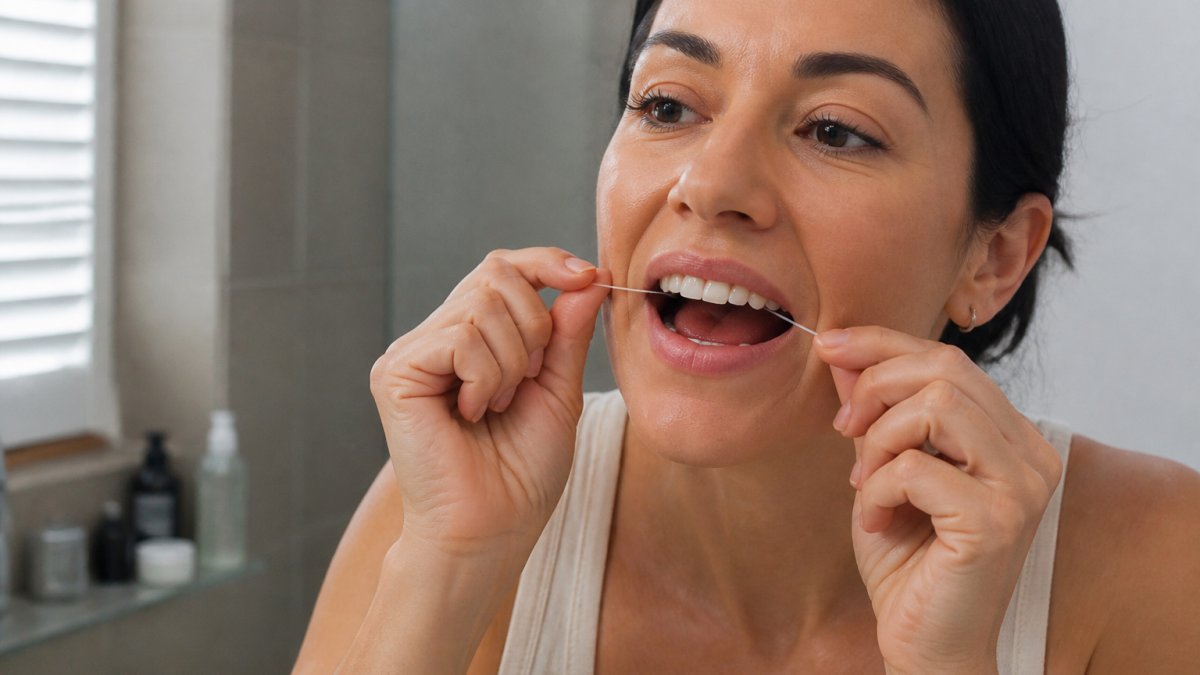
Brush gently but thoroughly: Use a soft-bristled toothbrush and brush for 2 minutes, twice daily. Focus on the area where the crown meets the gum line, where plaque accumulates most easily. Avoid aggressive brushing, which can irritate gums and expose the crown margin.
Floss daily: Floss reaches areas your toothbrush can't. Gently guide floss around the crown, working it between the crown and adjacent teeth.
Rinse after meals: A simple water rinse after eating helps dislodge food debris and reduces plaque formation.
Avoid hard or sticky foods: Chewing hard candy, ice, or nuts can crack or dislodge your crown.
Attend regular checkups: Visit your dentist every 6 months for professional cleaning and examination. Your dentist can catch early problems before they become costly repairs.
Comprehensive oral hygiene instructions from EPO Dental Specialists can guide you through proper techniques to protect your crown long-term.
What Happens When a Crown Fails
Understanding what happens when a crown fails helps you recognize when replacement is necessary and why prompt action matters.
When a crown fails, the underlying tooth becomes vulnerable to reinfection and decay. The seal that the root canal treatment created is compromised.
If the crown has simply loosened but the tooth remains intact, your dentist can often re-cement it.
Delaying crown replacement after failure increases the risk of losing the tooth entirely.
The cost of replacement varies based on the crown material you choose. Your dentist can discuss options and help you decide on a material that balances durability, aesthetics, and budget.
Schedule Your Root Canal Consultation
If you're facing root canal treatment or need to replace an existing crown, understanding the timeline and factors affecting longevity helps you make informed decisions.
At EPO Dental Specialists, we work closely with your personal dentist to ensure your root canal treatment is successful and your crown restoration is properly placed and fitted.
Book an endodontic consultation to discuss your root canal and crown treatment plan. We'll answer your questions, explain what to expect, and help you understand how to protect your investment in your smile for years to come.
Frequently Asked Questions
How long does a root canal crown last on average?
A root canal crown typically lasts 10-15 years or longer, depending on the quality of the crown, the remaining tooth structure, and how well you care for it. Research shows that teeth receiving root canal treatment plus a crown lasted about 20 years in clinical practice. However, the crown itself may need replacement before the tooth fails, especially if wear, decay, or damage occurs.
How soon after a root canal should you get a crown?
You should have a crown placed on a root canal-treated tooth as soon as possible after the root canal is complete, typically within 2-4 weeks. A temporary crown protects the tooth immediately after treatment, but a permanent crown is essential for restoring full function and preventing fracture. Delaying a permanent crown increases the risk of tooth damage and reduces the overall lifespan of your restoration.
What are the signs a dental crown needs replacing?
Watch for a cracked or chipped crown, visible decay around the crown edges, a loose or ill-fitting crown, persistent discomfort or pain, or darkening of the tooth beneath the crown. If you notice any of these signs, contact your dentist promptly. Early replacement prevents bacteria from entering the tooth and causing reinfection or further damage.
What should I do to make my root canal crown last as long as possible?
Maintain excellent oral hygiene by brushing twice daily and flossing around the crown every day. Avoid chewing hard foods, ice, or using your teeth as tools. If you grind your teeth, wear a night guard to protect the crown from excessive wear. Attend regular dental checkups every six months so your dentist can monitor the crown's condition and catch problems early.
A root canal crown's lifespan depends on the material, your oral hygiene, your chewing habits, and the quality of the initial treatment. With proper care and attention to warning signs, most crowns last 10-15 years or longer. The key is staying proactive about your dental health and addressing problems early. When you're ready to move forward, EPO Dental Specialists has the expertise and advanced technology to give your tooth the best chance of long-term success.