 how-to
How to Treat Gum Disease: A Step-by-Step Guide
Table of Contents
- Understanding Gum Disease and Its Stages
- Recognizing Symptoms and When to Seek Professional Help
- Professional Diagnosis and Examination
- Treating Gingivitis: Early Intervention Steps
- Treating Periodontitis: Advanced Professional Treatment
- Scaling and Root Planing for Deep Cleaning
- Gum Disease Home Remedies and Supportive Care
- Long-Term Management and Prevention
- Frequently Asked Questions
Last Updated: October 11, 2026
Understanding Gum Disease and Its Stages
Gum disease is a bacterial infection that damages the tissues supporting your teeth, and knowing how to treat gum disease early prevents serious complications. It begins with plaque buildup; if untreated, it hardens into tartar, which irritates gums and can destroy the bone anchoring your teeth. At EPO Dental Specialists, we emphasize that early detection makes treatment far easier.
What Gum Disease Is and How It Develops
Gum disease progresses as bacteria in plaque release acids that irritate gum tissue, causing inflammation and bleeding. Untreated plaque hardens into tartar, which spreads below the gum line and damages the supporting bone. The critical insight is that gum disease is preventable through consistent daily care, far more effective than treating advanced disease later.
Gingivitis Versus Periodontitis
Gingivitis is the early stage of gum disease. It affects only the gums and is reversible with proper care. Your gums may be red, swollen, or bleed when you brush.
Periodontitis is advanced gum disease. The infection has spread below the gum line and damaged the bone supporting your teeth. This stage is not reversible, though it can be managed to prevent further damage.
The difference matters because it determines your treatment path. Gingivitis responds well to improved home care and professional cleaning. Periodontitis requires deeper professional treatment like scaling and root planing.
Recognizing Symptoms and When to Seek Professional Help
Early detection prevents progression. Watch for these warning signs:
Common symptoms include:
- Bleeding gums when brushing or flossing
- Swollen or tender gums
- Gums that pull away from teeth (recession)
- Persistent bad breath
- Loose teeth
- Pain when chewing
Contact your dentist if you notice any of these signs. Symptoms often develop gradually, so routine checkups are essential, your dentist can spot early signs you might miss.
Professional Diagnosis and Examination
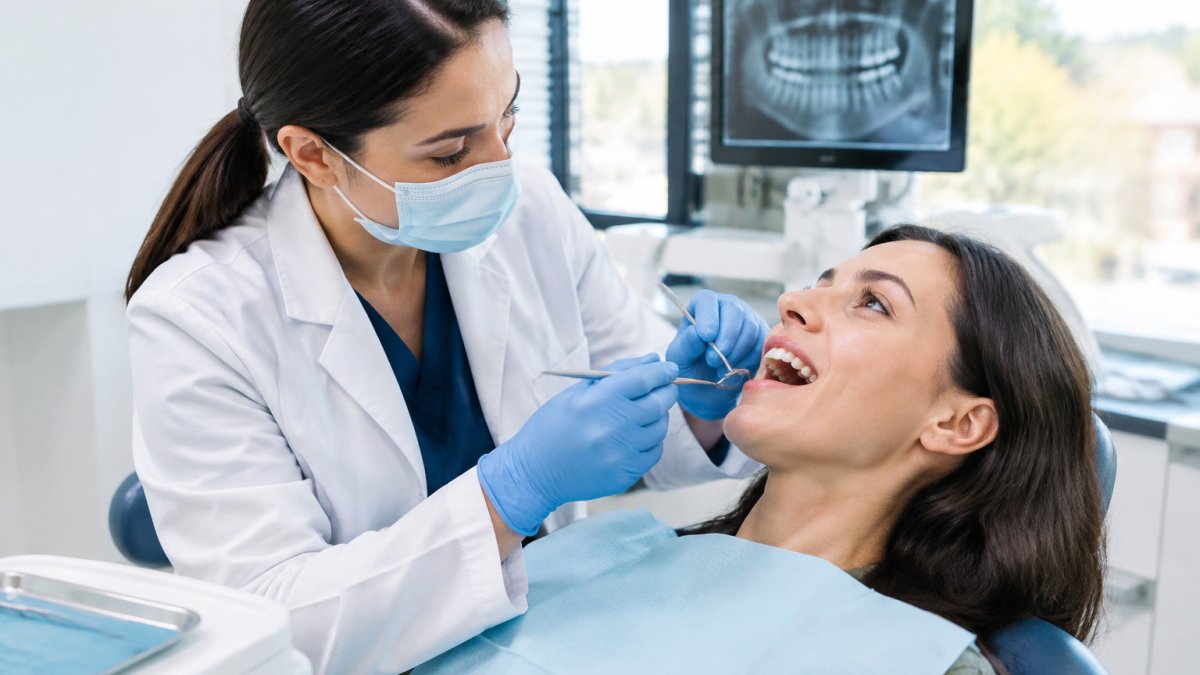
Your dentist diagnoses gum disease by measuring gum pocket depth (healthy: 1-3 mm), visually inspecting gums, checking for bleeding and tooth mobility, and taking X-rays to assess bone loss. At EPO Dental Specialists, our Board-Certified periodontist uses advanced technology. Accurate diagnosis is essential to determine whether you need basic care or advanced treatment.
Treating Gingivitis: Early Intervention Steps
Gingivitis treatment removes plaque and tartar and improves daily oral care to stop infection before bone damage occurs.
Daily Brushing and Flossing Techniques
Proper brushing removes plaque from tooth surfaces. Flossing removes plaque from between teeth where your brush can't reach.
Correct brushing technique:
- Use a soft-bristled toothbrush
- Hold it at a 45-degree angle to your gums
- Use gentle, circular motions
- Brush for at least two minutes
- Don't scrub hard, which can damage gums
Correct flossing technique:
- Use about 18 inches of floss
- Wrap it around your middle fingers
- Guide it gently between teeth
- Move it up and down along the tooth surface
- Curve it around the base of each tooth
Gentle, consistent care is more effective than aggressive brushing or skipping flossing.
Professional Dental Cleaning
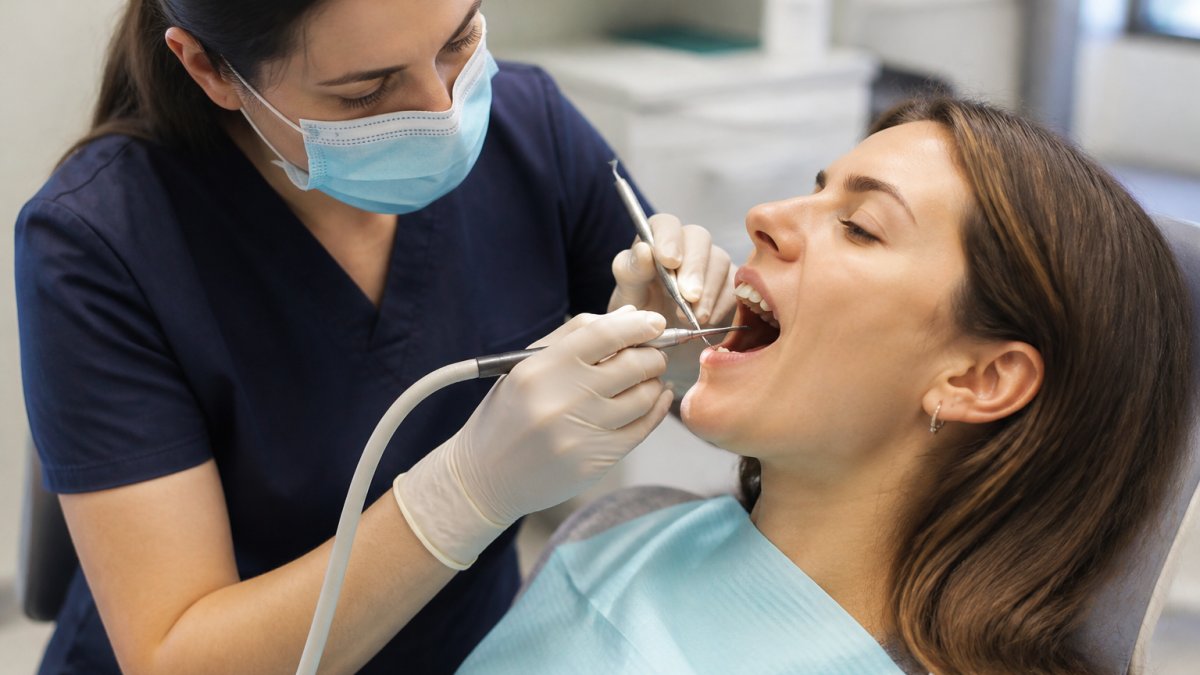
Professional cleaning removes tartar using specialized instruments to clean above and below the gum line. Your teeth are polished, fluoride may be applied, and gums are assessed. Most people need cleaning every six months; gingivitis may require more frequent visits until cleared.
Treating Periodontitis: Advanced Professional Treatment
To treat gum disease at the periodontitis stage requires professional intervention because home care cannot reverse bone loss or eliminate deep infection. Professional treatment halts progression and preserves teeth. Your plan depends on severity: early cases may respond to scaling and root planing; moderate to advanced cases may need additional procedures, medications, or surgery.
Treatment Pathways by Disease Severity
Early periodontitis: Scaling and root planing (1-4 appointments, 30-60 minutes each) with local anesthesia. Antimicrobial rinse or antibiotics may support healing.
Moderate periodontitis: Multiple scaling and root planing sessions, often combined with antimicrobial therapy (chlorhexidine chips or antibiotics). Requires monitoring every three months. Treatment spans 2-3 months; success depends on home care compliance and follow-up attendance.
Advanced periodontitis: Scaling and root planing alone may be insufficient. Surgical procedures (flap surgery, bone grafting) or extraction may be necessary. Referral to a periodontist is standard.
What to Expect: Discomfort, Timeline, and Recovery
During the procedure: Local anesthetic numbs the area; you'll feel pressure and vibration but not sharp pain. Each section takes 30-60 minutes; most patients need 2-4 appointments. After: Gums may be tender for 24-48 hours with mild bleeding.
First two weeks: Rinse with warm salt water 3-4 times daily; use prescribed antimicrobial rinse if provided. Resume gentle brushing and flossing after one week with a soft-bristled brush. Avoid strenuous activity for 3-5 days. Healing: Initial healing occurs in 2-3 weeks; pocket depths are measured 4-6 weeks post-treatment. Full healing takes 3-6 months.
Medications and Antimicrobial Therapy
Your dentist or periodontist may prescribe medications to support healing and control infection:
Oral antibiotics (doxycycline, amoxicillin) may be prescribed for 1-2 weeks to reduce bacterial load; take as directed even if symptoms improve. Antimicrobial rinse (chlorhexidine 0.12%) may be prescribed for 2-4 weeks post-procedure to prevent bacterial regrowth; note it can cause temporary staining and altered taste. Antimicrobial chips deliver medication directly to deep pockets (>5 mm). Enzyme suppressants (low-dose doxycycline) may be recommended long-term in select cases to slow bone loss.
Cost, Insurance, and Access Considerations
Contact your provider before treatment. If cost is a barrier, ask about payment plans. Delaying treatment often backfires, advanced periodontitis may require extraction or surgery, costing far more.
Scaling and Root Planing for Deep Cleaning
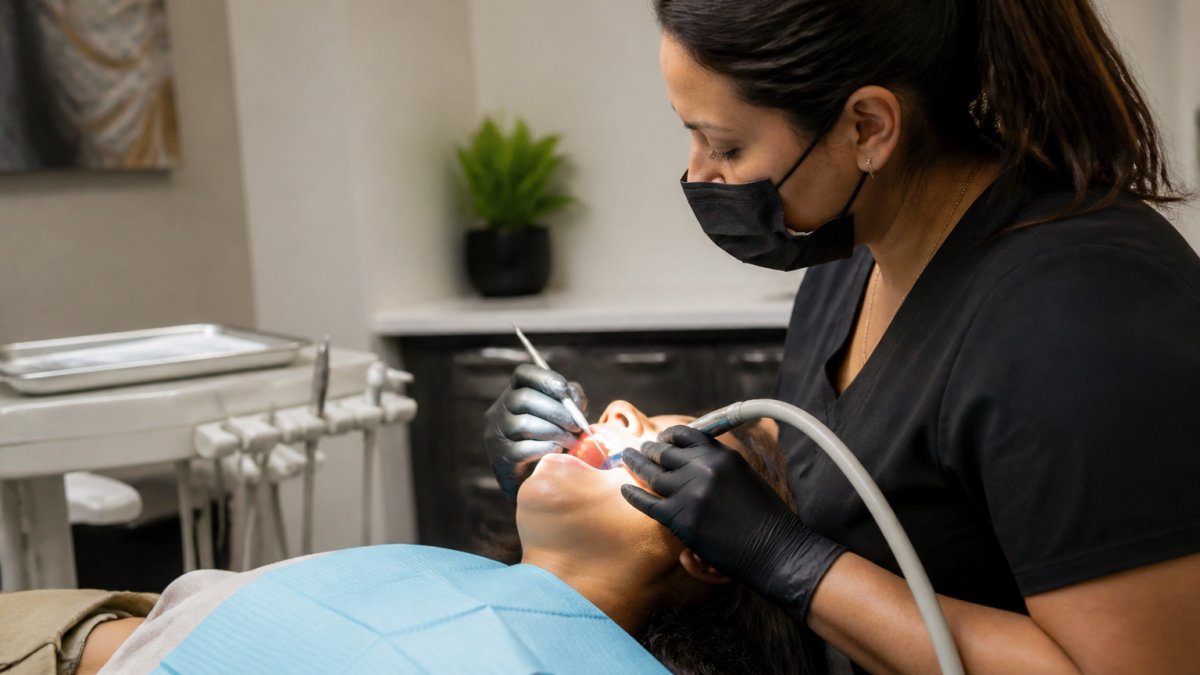
Scaling and root planing is a deep cleaning that removes plaque and tartar below the gum line and smooths root surfaces to help gums reattach. Your dentist or periodontist numbs the area for comfort. The process typically requires multiple appointments.
What to Expect During the Procedure
Your periodontist treats one mouth section at a time using ultrasonic instruments and hand tools to remove buildup below the gum line. Local anesthetic numbs the area; ultrasonic vibrations break up tartar, hand instruments scrape deposits, and the root surface is smoothed. The procedure takes 30-60 minutes per section. You may feel discomfort despite anesthesia, but it should not be painful.
Recovery and Aftercare
Recovery is usually quick. Post-procedure care: avoid hot foods for 24 hours, don't brush or floss treated areas for one week, rinse with warm salt water several times daily, take over-the-counter pain relief if needed, and avoid strenuous activity for a few days. Most people see improvement within 2-3 weeks.
Gum Disease Home Remedies and Supportive Care
Home remedies and supportive care reduce inflammation and ease discomfort after professional treatment, but they cannot remove tartar, reverse bone loss, or cure periodontitis. Many people delay professional care by relying on home remedies alone, allowing disease to progress.
When Home Care Is Sufficient Versus When Professional Treatment Is Necessary
Home care alone may be sufficient for:
- Preventing gingivitis if you have no current signs of gum disease
- Supporting gums during the early stages of gingivitis (mild bleeding, slight swelling)
- Maintaining oral health after professional treatment has resolved the infection
Professional treatment is necessary if:
- Your gums bleed regularly when brushing or flossing
- Your gums are visibly swollen, red, or receding
- You have persistent bad breath despite improved home care
- Your dentist measures gum pockets deeper than 3 millimeters
- You have any signs of periodontitis (bone loss visible on X-rays)
- Your symptoms do not improve within two weeks of starting a rigorous home care routine
The distinction matters because tartar, hardened plaque, cannot be removed by brushing, flossing, or any home remedy. Only professional scaling removes tartar. If tartar is present, home care alone will not stop the infection from progressing.
Evidence and Safety of Common Home Remedies
Salt water rinses (½ teaspoon salt in 8 oz warm water, 2-3 times daily) reduce inflammation and ease tenderness after professional cleaning but don't remove plaque or tartar. Antimicrobial mouthwash (chlorhexidine or cetylpyridinium chloride) reduces bacterial growth for 1-2 weeks post-treatment; long-term use may cause staining or altered taste. Herbal remedies (aloe vera, turmeric, green tea) show limited clinical evidence and cannot remove tartar or treat periodontitis. Hydrogen peroxide (1-3% dilute) may have mild antimicrobial effects but stronger concentrations damage gum tissue; avoid without professional guidance. Oil pulling lacks rigorous clinical evidence for treating gum disease.
Supporting Recovery After Professional Treatment
After scaling and root planing or other professional procedures, supportive home care accelerates healing:
- Salt water rinses reduce inflammation and discomfort
- Antimicrobial rinse (if prescribed) supports bacterial control during the critical healing window
- Soft-bristled brushing and gentle flossing resume after your dentist clears you (typically one week post-procedure)
- Over-the-counter pain relievers (ibuprofen or acetaminophen) manage tenderness
- Avoiding hot foods, hard foods, and strenuous activity for the first few days protects the treated area
Your dentist or periodontist will provide specific post-procedure instructions. Follow them closely, they are tailored to your treatment and healing needs.
The Bottom Line on Home Remedies
Home remedies and supportive care are valuable tools for maintaining oral health and supporting professional treatment, but they are not treatments for active gum disease. If you have symptoms of gingivitis or periodontitis, professional evaluation and treatment are essential. Home care prevents disease from returning after professional treatment succeeds.
Long-Term Management and Prevention
Once you've been treated for gum disease, preventing recurrence is your priority. Gum disease can return if you don't maintain good oral habits.
Long-term prevention includes:
- Brush twice daily with a soft-bristled toothbrush
- Floss daily to remove plaque between teeth
- Attend dental checkups every three to six months
- Have professional cleanings as recommended
- Quit smoking, which increases gum disease risk
- Manage stress, which weakens immune response
- Eat a balanced diet rich in vitamins and minerals
Your dentist will monitor your gums at each visit. If signs of disease return, you can address them early before they progress.
At EPO Dental Specialists, we work with your general dentist to ensure you receive ongoing care.
The reality is that gum disease management is a partnership. Your dentist provides professional treatment and monitoring. You provide consistent daily care at home. Both are necessary for lasting results.
Frequently Asked Questions
Can gum disease go away on its own?
Mild gingivitis may improve with better oral hygiene, but periodontitis cannot resolve without professional treatment. Once bacteria have damaged the bone supporting your teeth, home care alone cannot reverse that damage. Early intervention is critical: if you notice bleeding gums or swelling, schedule a dental examination immediately. The longer gum disease progresses, the more complex and costly treatment becomes.
How long does gum disease treatment take?
Treatment timeline depends on disease severity. Gingivitis treatment typically shows improvement within 2-4 weeks of better oral hygiene and professional cleaning. Periodontitis treatment is longer: scaling and root planing may require multiple appointments over several weeks, followed by maintenance visits every 3-4 months for 6-12 months. Advanced cases involving bone loss or surgical intervention may extend recovery to several months.
What is the best treatment for gum disease?
The best treatment matches your disease stage. Early gingivitis responds well to daily brushing, flossing, and professional cleaning. Periodontitis requires scaling and root planing to remove bacteria below the gum line. Your dentist or periodontist will assess your condition and recommend the appropriate approach. Combining professional treatment with consistent home care produces the best outcomes.
Can gum disease be curable?
Gingivitis is reversible with proper treatment and oral hygiene. Periodontitis cannot be completely cured once bone loss occurs, but it can be controlled and stabilized with professional treatment and lifelong maintenance. The goal is to stop disease progression, reduce inflammation, and preserve remaining tooth structure. Regular dental visits and meticulous home care are essential to prevent recurrence.
Gum disease doesn't have to mean losing your teeth. Early detection and treatment stop the infection before serious damage occurs. If you're experiencing bleeding gums, swelling, or other warning signs, don't wait. Contact EPO Dental Specialists to schedule an examination with our Board-Certified periodontist. We use advanced diagnostic technology and personalized treatment plans to restore your oral health and help you keep your natural teeth for life.