 ultimate-guide
Signs of Advanced Gum Disease: A Complete Guide
Table of Contents
- What Is Advanced Gum Disease?
- Stages of Periodontal Disease
- Common Signs and Symptoms of Advanced Gum Disease
- Causes and Risk Factors Behind Advanced Periodontitis
- Gum Disease and Heart Health: The Systemic Connection
- Periodontal Treatment Options for Advanced Disease
- When to See a Periodontist
- Prevention and Long-Term Oral Hygiene
- Frequently Asked Questions
Last Updated: September 28, 2026
What Is Advanced Gum Disease?
Advanced gum disease, also called periodontitis or periodontal disease, is a serious infection of the tissues that support your teeth. Unlike gingivitis (the early stage), advanced gum disease has progressed beyond the gums to damage the bone and ligaments holding teeth in place. At EPO Dental Specialists, we work with patients who've reached this stage to prevent tooth loss and restore oral health.
When plaque and tartar accumulate on teeth, bacteria trigger inflammation. In early stages, this causes bleeding and tender gums. But without treatment, the infection spreads deeper. The gums pull away from teeth, creating pockets where bacteria multiply (the American Dental Association). These pockets deepen over time, destroying the bone that anchors your teeth. This is the hallmark of advanced periodontitis.
The difference between early and advanced gum disease isn't subtle. Early gingivitis is reversible with improved hygiene. Advanced gum disease causes permanent damage to bone and attachment. Once bone is lost, it doesn't regenerate on its own. That's why recognizing signs early and seeking treatment matters so much.
Stages of Periodontal Disease
Periodontal disease progresses through distinct stages, and understanding where you are determines your treatment options.
Stage 1: Gingivitis. This is inflammation of the gums only. The gums bleed when you brush or floss, appear red or swollen, and may feel tender. The bone and tooth-supporting ligaments remain intact. Gingivitis is reversible with professional cleaning and improved oral hygiene at home.
Stage 2: Early Periodontitis. The infection has now spread below the gum line. The bone begins to break down, and periodontal pockets form (spaces between gum and tooth deeper than 3-4mm). You may notice gum recession, where gums pull back from the tooth. At this stage, damage has begun but can be halted with aggressive treatment.
Stage 3: Moderate Periodontitis. Bone loss accelerates. Pockets deepen to 4-6mm. Tooth mobility may start, and you might notice shifting teeth. Halitosis (bad breath) becomes persistent. Treatment becomes more complex, often requiring scaling and root planing plus additional interventions.
Stage 4: Advanced Periodontitis. Severe bone loss has occurred. Pockets exceed 6mm. Teeth are mobile and may shift noticeably. Tooth loss becomes likely without immediate specialized care. This is where most patients realize they need a periodontist.
The progression isn't always linear. Some people move quickly through stages; others plateau. But without intervention, advanced gum disease doesn't improve on its own.
Common Signs and Symptoms of Advanced Gum Disease
Recognizing the warning signs of advanced gum disease is critical because early intervention can slow or stop progression. Many people don't notice symptoms until significant damage has occurred.
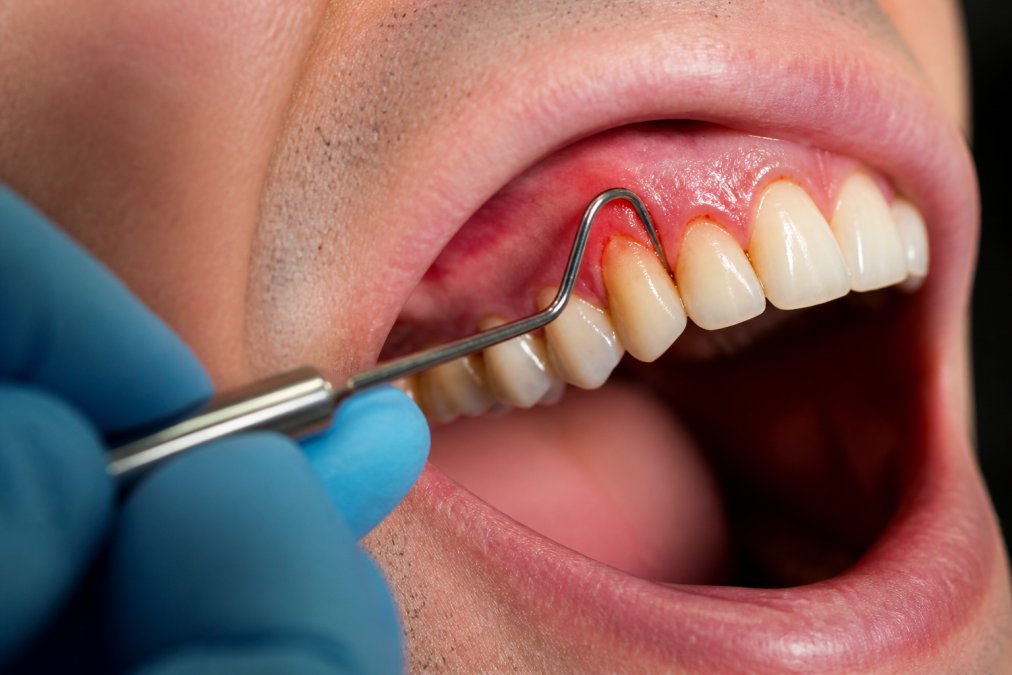
Bleeding and Tender Gums
Bleeding gums are one of the first red flags, though they're often dismissed as normal. If your gums bleed when you brush, floss, or eat hard foods, this signals inflammation and infection below the surface.
In advanced gum disease, bleeding becomes more pronounced and spontaneous. You might notice blood on your pillow or taste blood in your mouth without obvious cause. The gums feel tender to touch, making eating uncomfortable. This tenderness happens because the tissue is infected and the supporting structures are breaking down.
The bleeding indicates that bacteria have triggered an inflammatory response your immune system can't control. The gums are trying to fight off the infection, but without professional intervention, they're losing the battle.
Gum Recession and Tooth Sensitivity
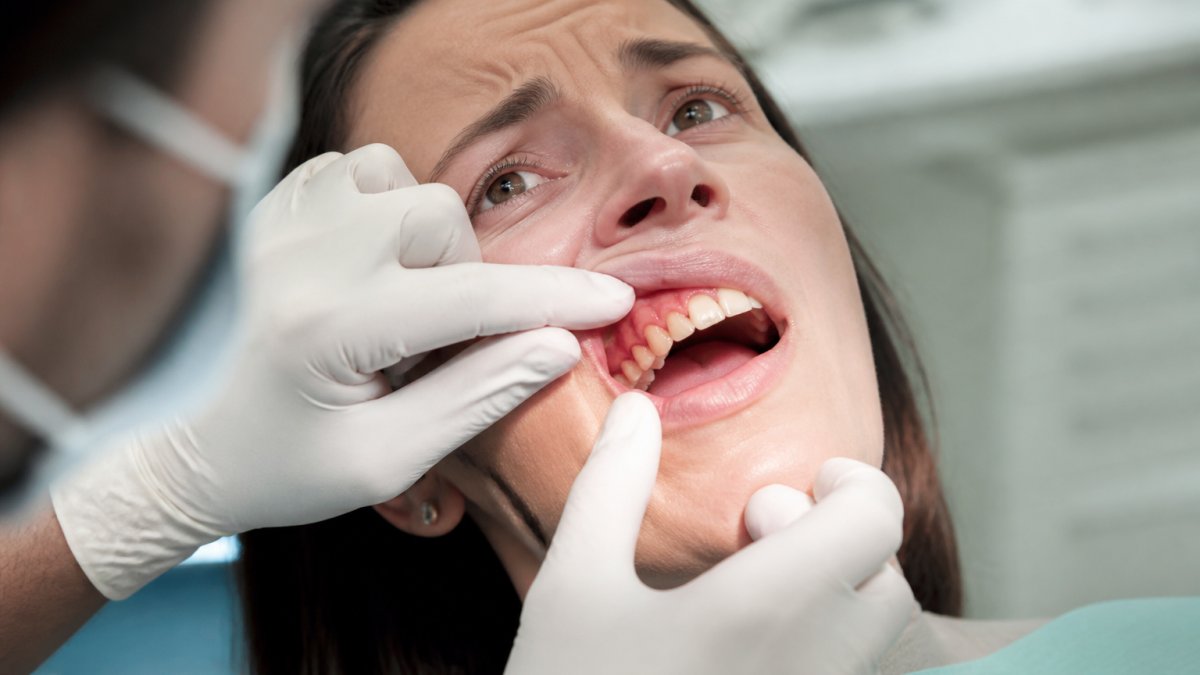
As advanced periodontitis progresses, gums recede, they pull back from the tooth surface. You might notice your teeth look longer than before, or gaps appear between teeth where none existed.
Gum recession exposes the root surface of the tooth. Unlike the crown (the part normally visible), the root isn't covered with protective enamel. When exposed, these surfaces become sensitive to temperature, pressure, and acidic foods. You might feel sharp pain when drinking cold water or eating ice cream.
This sensitivity serves as a warning sign. Exposed roots are also more vulnerable to decay and further damage. If recession is severe, the tooth may eventually be lost because there's insufficient gum and bone support.
Tooth Mobility and Shifting Teeth
Teeth should be firmly anchored. If you notice a tooth moving slightly when you bite or touch it, this indicates bone loss. The periodontal ligaments and bone that normally hold teeth rigid have deteriorated.
Shifting teeth is a hallmark of advanced gum disease. You might notice gaps widening between teeth or teeth tilting in their sockets. Some patients report their bite feels different or teeth don't come together the way they used to.
This mobility is serious because it accelerates further damage. A mobile tooth experiences abnormal forces when you chew, which stresses the remaining bone and ligaments. Without treatment, mobile teeth often become loose enough to require extraction.
Persistent Bad Breath and Purulent Discharge
Halitosis that doesn't improve with brushing or mouthwash often signals advanced periodontitis. The odor comes from anaerobic bacteria deep in periodontal pockets. These bacteria produce sulfur compounds that smell distinctly unpleasant.
Some patients notice a foul taste in their mouth, especially in the morning or after waking. This taste comes from bacterial byproducts and pus accumulating in the pockets overnight.
In advanced cases, you might notice purulent discharge (pus) around the gum line. This discharge indicates active infection. The body is trying to drain the infection through the gum tissue. If you see pus or notice a bad taste accompanying it, this is a sign to seek immediate care.
Causes and Risk Factors Behind Advanced Periodontitis
Advanced gum disease doesn't develop randomly. It results from a combination of bacterial infection, immune response, and risk factors that allow the disease to progress unchecked.
Bacterial infection is the root cause. Plaque is a sticky film of bacteria that forms on teeth constantly.
Gum Disease and Heart Health: The Systemic Connection
One of the most important discoveries in modern medicine is the link between oral health and systemic health. Advanced gum disease doesn't stay confined to your mouth, it affects your whole body.
Periodontal Treatment Options for Advanced Disease
Once advanced gum disease is diagnosed, treatment depends on the severity and extent of damage. The goal is to stop progression, eliminate infection, and preserve remaining teeth and bone.
Non-Surgical Treatments: Scaling and Root Planing
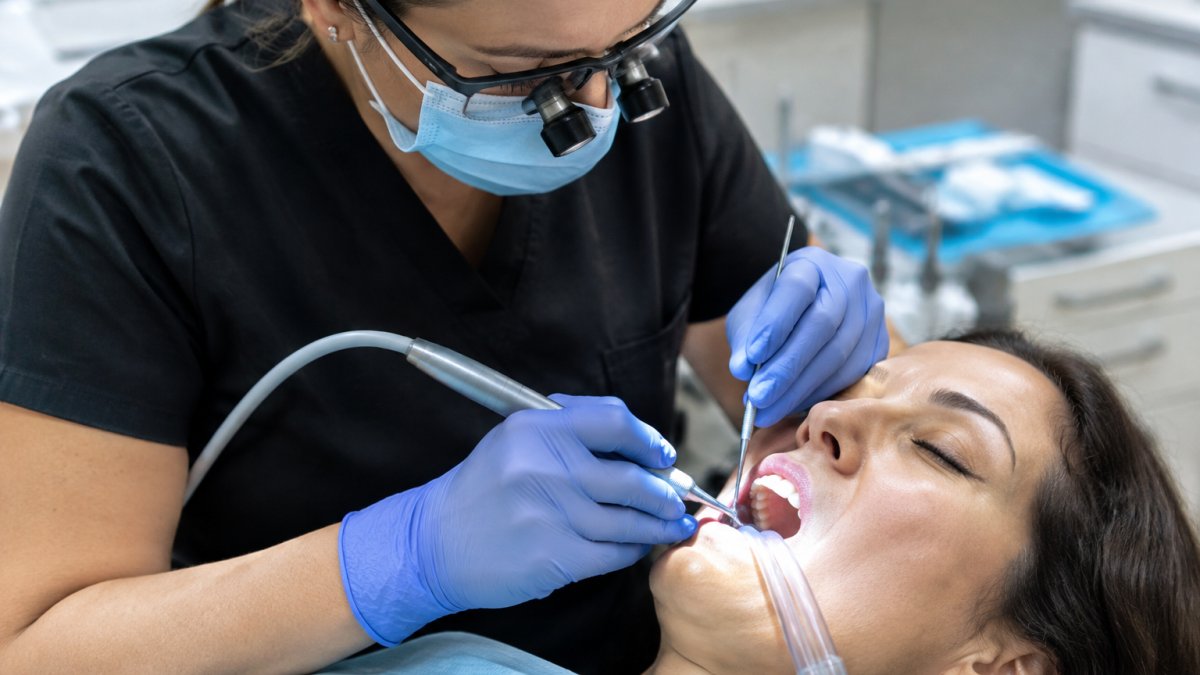
For moderate to early-advanced periodontitis, scaling and root planing (also called deep cleaning) is often the first intervention. This procedure removes plaque and tartar from tooth surfaces and below the gum line.
Surgical Interventions and Gum Grafts
When advanced gum disease has caused significant bone loss or severe recession, surgical treatment becomes necessary.
When to See a Periodontist
If you notice any signs of advanced gum disease, don't wait for your next routine dental visit. Schedule an appointment with a periodontist or ask your general dentist for a referral.
You should seek immediate evaluation if you have:
- Gums that bleed frequently or spontaneously
- Persistent bad breath or foul taste
- Visible pus or discharge around teeth
- Teeth that feel mobile or are shifting
- Significant gum recession
- Deep pockets (your dentist can measure these)
Prevention and Long-Term Oral Hygiene
Once you've experienced advanced gum disease, preventing recurrence becomes critical. Even after successful treatment, the disease can return if you don't maintain rigorous oral hygiene and regular professional care.
Frequently Asked Questions
How do I know if my gum disease has progressed to an advanced stage?
Advanced gum disease typically shows multiple warning signs: persistent bleeding gums even with gentle brushing, visible gum recession exposing tooth roots, tooth mobility or shifting, and chronic bad breath. You may also notice pus or discharge from the gum line, or experience discomfort when chewing. If you have three or more of these symptoms, schedule a consultation with a periodontist immediately for a professional evaluation and probing depth measurement.
What is the relationship between advanced gum disease and heart health?
Advanced gum disease involves chronic bacterial infection and inflammation in the gums and supporting bone. These bacteria and inflammatory markers can enter the bloodstream, potentially affecting cardiovascular health. Research indicates a connection between untreated periodontitis and increased risk of heart disease and stroke. Managing gum disease through professional treatment and good oral hygiene may help reduce systemic health risks.
Can advanced gum disease be reversed or managed?
Early-stage gum disease (gingivitis) can be reversed with improved oral hygiene. Advanced periodontitis cannot be fully reversed, but it can be effectively managed and halted with professional periodontal treatment, including scaling and root planing or surgical interventions. Success depends on early intervention, consistent home care, and ongoing professional monitoring. Your periodontist will create a personalized treatment plan to preserve your natural teeth.
What are the stages of periodontal disease, and what makes each one different?
Periodontal disease progresses through stages: gingivitis (gum inflammation without bone loss, reversible with improved hygiene), mild periodontitis (early bone loss, probing depths 3-4mm), moderate periodontitis (increased bone loss and pocket depth, possible tooth mobility), and severe periodontitis (extensive bone loss, significant tooth mobility, risk of tooth loss). Each stage requires increasingly intensive treatment, making early detection critical for preserving your teeth.
When should I consult a periodontist for gum health concerns?
Contact a periodontist if you experience bleeding gums, persistent bad breath, gum recession, tooth sensitivity, or any signs of advanced gum disease. Your general dentist may refer you if they detect bone loss on X-rays or measure increased probing depths. Even without obvious symptoms, if you have risk factors like diabetes, smoking, or a family history of gum disease, a preventive consultation is worthwhile. Early specialist intervention can prevent progression to severe periodontitis.
What causes advanced gum disease to develop in the first place?
Advanced gum disease develops when plaque and tartar accumulate on teeth and below the gum line, triggering bacterial infection and chronic inflammation. Risk factors include poor oral hygiene, smoking, diabetes, hormonal changes, stress, genetic predisposition, and certain medications. Untreated gingivitis progresses to periodontitis as bacteria destroy the attachment between gums and teeth, eventually affecting the bone that supports your teeth. Regular cleanings and good home care help prevent this progression.