
 ultimate-guide
Causes of Persistent Gum Bleeding: A Guide
Table of Contents
- What Causes Persistent Gum Bleeding
- Gingivitis and Periodontal Disease: Understanding the Difference
- Signs of Periodontal Disease You Shouldn't Ignore
- Medications and Medical Conditions That Cause Gum Bleeding
- Gum Disease and Heart Health: The Systemic Connection
- When to See a Periodontist for Bleeding Gums
- How to Stop Bleeding Gums at Home
- Frequently Asked Questions
Last Updated: October 4, 2026
What Causes Persistent Gum Bleeding
Persistent gum bleeding is a sign that something in your oral health needs attention. It's not normal, and it's not something you should ignore. When your gums bleed during brushing, flossing, or even while eating, your mouth is signaling inflammation, infection, or both. Understanding what causes persistent gum bleeding is the first step toward stopping it.
The causes range from simple, like using a toothbrush that's too hard, to serious, like undiagnosed periodontal disease or a medication side effect. Some causes are preventable with better technique. Others require professional intervention. The key is identifying which category your bleeding falls into, because the fix depends entirely on the root cause.
Bleeding gums happen because the tissues around your teeth become inflamed. Inflammation is your body's response to irritation or infection. The gum tissue swells, becomes tender, and bleeds more easily when disturbed. This inflammatory response isn't random, it's triggered by something specific. Finding that trigger is what separates a temporary problem from a chronic condition.
Gingivitis and Periodontal Disease: Understanding the Difference
Gingivitis is inflammation of the gums caused by bacterial buildup. Periodontal disease (also called periodontitis) is a more advanced condition where the infection spreads below the gumline and damages the bone supporting your teeth. The distinction matters because gingivitis is reversible with proper care, while periodontal disease causes permanent damage if left untreated.
Gingivitis is the earliest stage of gum disease. Your gums are red, swollen, and bleed easily. The bone and tooth roots aren't yet affected. If you catch it here and improve your oral hygiene, the condition reverses completely. Many people have gingivitis without realizing it because mild bleeding during brushing seems normal to them.
Periodontal disease develops when gingivitis goes untreated. Bacteria and tartar work their way below the gumline, creating pockets between your gums and teeth. These pockets deepen over time, and the infection spreads to the bone. Once bone loss occurs, it doesn't regenerate.
How Plaque and Tartar Buildup Leads to Bleeding
Plaque is a sticky film of bacteria that forms on your teeth constantly. It's invisible and soft, you can remove it with a toothbrush and floss. Tartar (also called calculus) is hardened plaque that's bonded to your tooth surface.
The problem starts when plaque accumulates along the gumline. Bacteria in the plaque release toxins that irritate your gum tissue, causing inflammation. Your gums respond by swelling and bleeding. If you remove the plaque through proper brushing and flossing, the inflammation subsides and bleeding stops.
But when plaque isn't removed regularly, it hardens into tartar. Tartar acts like a barrier that traps more bacteria against your gum tissue. The irritation intensifies. Your immune system fights back, and the inflammatory response worsens. This is when bleeding becomes persistent.
The gumline is the critical zone. Plaque and tartar that accumulate right where your gum meets your tooth are the biggest culprits. This is why brushing technique matters, if you're not cleaning that specific area effectively, plaque builds up and bleeding develops.
Signs of Periodontal Disease You Shouldn't Ignore
Beyond bleeding, periodontal disease shows itself through other warning signs. Recognizing these signals helps you seek treatment before permanent damage occurs. Receding gums are a classic sign, your gum tissue pulls away from the tooth, exposing the root surface.
Persistent bad breath (halitosis) that doesn't improve with brushing or mouthwash is another red flag. The bacteria living in deep gum pockets release sulfur compounds that cause odor. No amount of mints or mouthwash will fix it because the source is the infection itself, not food debris.
Loose teeth or a shift in how your teeth fit together when you bite down indicates bone loss. Your teeth are anchored by bone. As that bone disappears due to periodontal disease, teeth become unstable.
Swollen, tender gums that hurt when you touch them are different from simple bleeding. Tenderness suggests active infection and inflammation. Your gums may also feel soft or spongy rather than firm. These symptoms typically indicate that periodontal disease is progressing and needs professional treatment.
Medications and Medical Conditions That Cause Gum Bleeding
Some medications trigger gum bleeding as a side effect, even when your oral hygiene is excellent. Blood thinners are the most common culprit. These medications prevent blood clots by reducing your blood's ability to coagulate. The downside is that your gums bleed more easily because your blood doesn't clot as quickly.
Blood Thinners and Anticoagulants
If you take a blood thinner like warfarin, apixaban, or dabigatran, expect your gums to bleed more readily. This is a known side effect, not a sign of gum disease. Your gums may bleed during brushing or flossing even with perfect technique.
Other medications that commonly cause gum bleeding include certain blood pressure medications (calcium channel blockers), immunosuppressants, and some anticonvulsants. Steroids, both inhaled and oral, can also increase gum bleeding. If you started a new medication and noticed bleeding gums shortly after, that timing is often not coincidental. Talk to your prescribing doctor and your dentist about the connection.
The key with medication-related bleeding is that it's usually not caused by gum disease. Your gums may be perfectly healthy, but the medication changes how your blood behaves. You still need good oral hygiene and regular professional cleanings, but you're not fighting an infection, you're managing a medication side effect.
Vitamin Deficiencies and Nutritional Gaps
Vitamin C deficiency is historically linked to gum bleeding (Beneficial Effects of Vitamin C in Maintaining Optimal Oral Health). Your gums rely on collagen to stay strong, and collagen formation requires vitamin C. Without adequate vitamin C, your gum tissue becomes weak and bleeds easily. This is rare in developed countries because most people get enough vitamin C from food, but it does happen.
Vitamin K deficiency also contributes to bleeding gums because vitamin K is essential for blood clotting. If your blood can't clot properly due to low vitamin K, your gums will bleed. Certain antibiotics and digestive disorders can interfere with vitamin K absorption, creating a deficiency.
Poor nutrition in general, not eating enough fruits, vegetables, and proteins, weakens your immune system and gum tissue. Your body prioritizes healing critical organs over gum tissue when nutrients are scarce. If your diet is consistently lacking in vitamins and minerals, your gums become more vulnerable to inflammation and bleeding.
Gum Disease and Heart Health: The Systemic Connection
The relationship between gum disease and heart health isn't coincidental. Periodontal disease involves chronic bacterial infection and inflammation in your mouth. That inflammation doesn't stay isolated in your gums, it affects your whole body. Bacteria from infected gums can enter your bloodstream through the gum tissue, triggering systemic inflammation that reaches your cardiovascular system.
Research has established that people with periodontal disease have higher rates of heart disease and stroke (Checking your browser). The connection works both ways: untreated gum disease increases heart disease risk, and people with certain heart conditions are more prone to gum disease. This systemic relationship means that treating your gum disease isn't just about saving your teeth, it's about protecting your overall health.
Inflammation from periodontal disease contributes to atherosclerosis, the buildup of plaque in arteries. Chronic gum infection elevates inflammatory markers in your blood. These markers are associated with increased cardiovascular risk. Managing your gum health through professional treatment and consistent oral hygiene helps reduce systemic inflammation and supports heart health.
When to See a Periodontist for Bleeding Gums
You should see a dental professional if your gums bleed persistently for more than two weeks despite improved brushing and flossing. Persistent bleeding that doesn't improve with better technique is a sign that something beyond simple plaque accumulation is happening. A general dentist can often diagnose and treat early gingivitis, but a periodontist specializes in gum disease and can handle more complex cases.
At EPO Dental Specialists, our Board-Certified periodontist evaluates bleeding gums by examining your gum tissue, measuring pocket depths, and taking X-rays to assess bone levels. This evaluation determines whether you have gingivitis (treatable at home with professional support) or periodontal disease (requiring specialized treatment). Early intervention makes a dramatic difference in outcomes.
Seek immediate professional evaluation if your bleeding is accompanied by severe swelling, pus, or loose teeth. These symptoms indicate advanced infection that needs prompt treatment. Don't wait for bleeding to stop on its own, the longer periodontal disease progresses untreated, the more bone you lose permanently.
How to Stop Bleeding Gums at Home
The foundation of stopping bleeding gums is removing plaque from the gumline every single day. Use a soft-bristled toothbrush, not medium or hard.
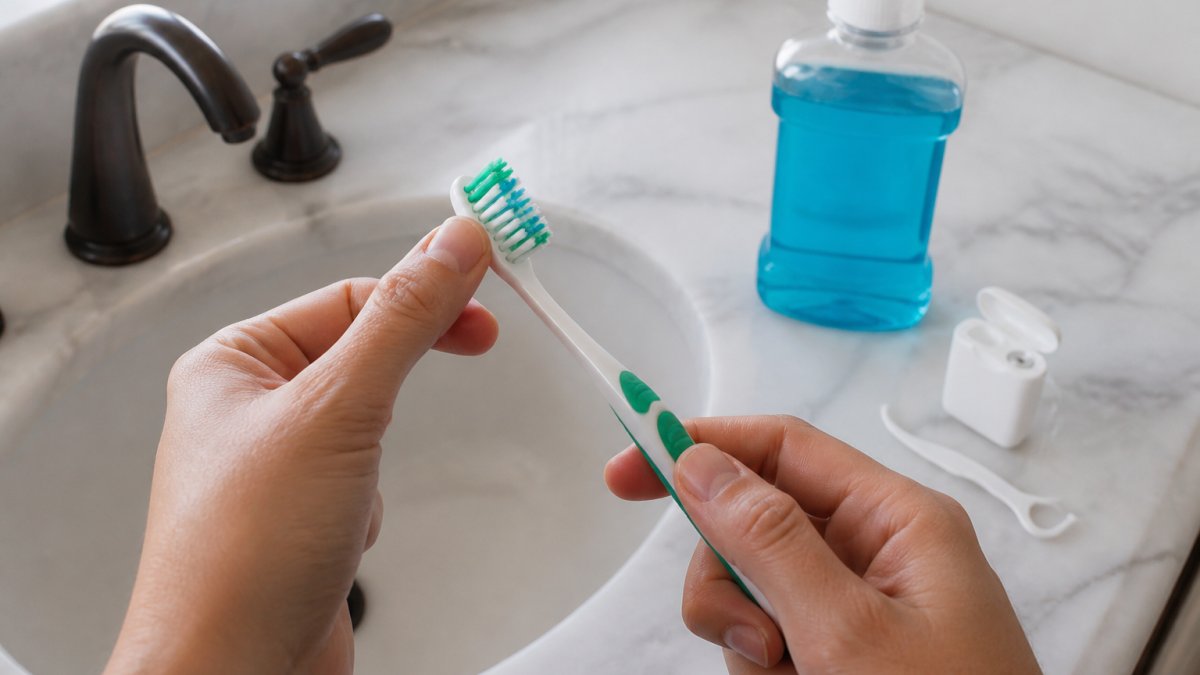
Floss every day, even if it causes bleeding initially. When your gums are inflamed, flossing may cause temporary bleeding. This is normal, you're removing plaque that's irritating the tissue.
An antimicrobial mouthwash can help reduce bacterial load while your gums heal. Look for products containing chlorhexidine or essential oils.
Avoid tobacco and alcohol, both of which impair gum healing. Tobacco reduces blood flow to your gums and suppresses your immune response. Alcohol is dehydrating and irritating to gum tissue.
Eat a diet rich in vitamin C and vitamin K. Citrus fruits, berries, leafy greens, and cruciferous vegetables support gum healing.
Professional cleaning removes tartar that you cannot remove at home. If your bleeding doesn't improve within two weeks of perfect home care, schedule a professional cleaning. A hygienist or periodontist can remove tartar and polish your teeth, giving your gums a fresh start. For many people, one professional cleaning plus improved home care is enough to stop bleeding. For others with periodontal disease, more intensive treatment like scaling and root planing is necessary.
Scaling and root planing is a deeper cleaning that removes tartar and bacteria from below the gumline. The procedure takes one or more appointments and may require local anesthesia for comfort.
Bleeding gums are your mouth's way of alerting you to a problem.
| Cause | Characteristic | Home Care Approach |
|---|---|---|
| Plaque buildup | Bleeding during brushing or flossing, no bone loss | Improved brushing and flossing technique |
| Tartar accumulation | Persistent bleeding despite good home care | Professional cleaning required |
| Gingivitis | Red, swollen gums; reversible | Professional cleaning plus daily plaque removal |
| Periodontal disease | Loose teeth, deep pockets, bone loss | Scaling and root planing plus ongoing maintenance |
| Blood thinner medication | Bleeding unrelated to gum disease | Continue medication; use soft toothbrush |
| Vitamin deficiency | Weak gum tissue, slow healing | Dietary improvement plus professional evaluation |
Frequently Asked Questions
Why are my gums bleeding a lot lately?
Persistent gum bleeding most commonly results from gingivitis, an early stage of periodontal disease caused by plaque and tartar buildup along the gumline. Poor oral hygiene, improper brushing or flossing techniques, certain medications like blood thinners, vitamin deficiencies (especially vitamin C and K), and hormonal changes can all trigger bleeding. If bleeding persists beyond two weeks despite improved oral hygiene, schedule an appointment with a dental professional to rule out more serious conditions.
Which vitamin deficiency is commonly linked to bleeding gums?
Vitamin C deficiency is the most commonly associated nutrient gap causing gum bleeding. Your gum tissue requires adequate vitamin C to maintain collagen and support inflammation control. Vitamin K deficiency also plays a role in gum bleeding because this nutrient is essential for blood clotting. If your diet lacks citrus fruits, leafy greens, or other vitamin-rich foods, consider discussing supplementation with your healthcare provider alongside improved oral hygiene.
Can persistent gum bleeding be a sign of systemic health issues?
Yes. Persistent gum bleeding can signal underlying conditions including diabetes, immune system disorders, or blood clotting problems. Additionally, the connection between gum disease and heart health is well-established; bacterial infection in the gums may increase cardiovascular risk. If your gums bleed for more than two weeks despite good oral hygiene, or if you have other health concerns, consult both your dentist and primary care physician to identify any systemic causes.
What is the difference between gingivitis and periodontitis?
Gingivitis is inflammation of the gums caused by plaque and tartar buildup; it is reversible with improved oral hygiene and professional cleaning. Periodontitis (also called periodontal disease) occurs when gingivitis progresses untreated, damaging the bone and tissues that support your teeth. Once bone loss occurs, periodontitis cannot be fully reversed, though it can be managed with scaling and root planing or other professional treatments. Early detection and treatment of gingivitis prevents this progression.