 ultimate-guide
Periodontal Treatment for Receding Gums: A Complete Guide
Table of Contents
- Understanding Gum Recession and Periodontal Disease
- Non-Surgical Gum Recession Treatment Options
- Surgical Periodontal Treatment Procedures
- Gum Graft Surgery Recovery Time and Aftercare
- Gum Disease and Heart Health: The Systemic Connection
- Long-Term Maintenance and Cost Considerations
- When to Seek Specialist Care from a Periodontist
- Frequently Asked Questions
Last Updated: September 23, 2026
Understanding Gum Recession and Periodontal Disease
Gum recession is the progressive loss of gingival tissue that exposes the tooth root surface, creating a gap between the tooth and gumline. This condition develops gradually and often goes unnoticed until significant tissue loss has already occurred. At EPO Dental Specialists, we work with patients throughout the DFW Metroplex who discover receding gums during routine examinations and offer periodontal treatment for receding gums to address this progressive condition.
Common causes include aggressive brushing, periodontal disease, genetic predisposition, trauma, smoking, orthodontic movement, and hormonal changes. Identifying the underlying cause helps prevent recurrence after treatment.
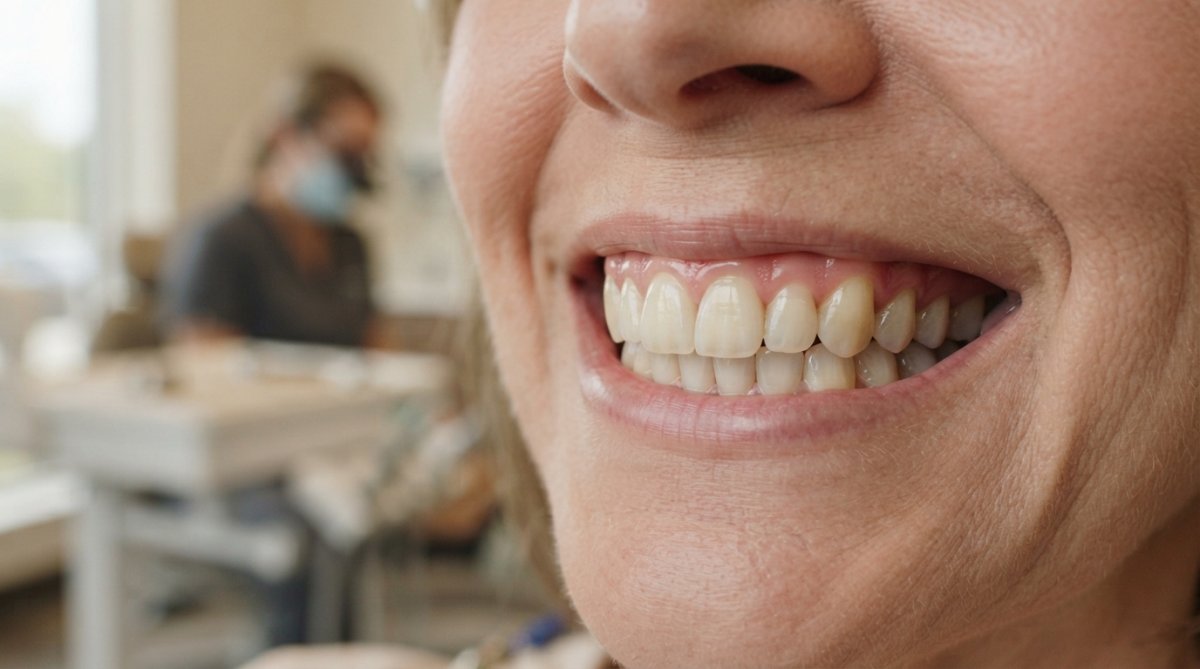
What is gum recession?
Gum recession exposes the softer cementum layer beneath the enamel, which lacks enamel's protective mineral density and is vulnerable to cavities and sensitivity.
Severity ranges from millimeters of exposure in early cases to substantial root exposure in advanced cases. Periodontal disease accelerates this process by destroying supporting bone.
Common causes of receding gums
Periodontal disease is the leading cause of gum recession in adults. Plaque and tartar trigger inflammation that destroys the periodontal ligament and supporting bone, creating deepening pockets where bacteria thrive.
Aggressive brushing with excessive force or hard-bristled toothbrushes traumatizes gingival tissue and causes recession over time.
Genetic factors determine gingival tissue thickness and inflammation susceptibility. Thinner biotype tissue recedes more easily, and family history increases risk.
Smoking reduces blood flow to gingival tissues and suppresses immune response, accelerating disease progression and impairing healing.
Symptoms and warning signs
The most common initial symptom is root sensitivity, sharp pain from cold foods or brushing, because exposed cementum lacks enamel's protective barrier.
Visual changes include teeth appearing longer, gaps at the gumline, uneven gumline, and discoloration where the root becomes visible.
Gum bleeding signals active inflammation and periodontal disease. Persistent bad breath indicates bacterial activity in periodontal pockets.
Non-Surgical Gum Recession Treatment Options
Non-surgical approaches address mild to moderate recession and work best when caught early. Our periodontist evaluates whether non-surgical management can stabilize your condition or whether surgical intervention is necessary.
Scaling and root planing
Scaling and root planing removes plaque and tartar from tooth surfaces above and below the gumline and smooths the root surface to eliminate bacterial toxins and promote reattachment.
Scaling removes tartar and plaque using ultrasonic instruments and hand scalers, eliminating the bacterial biofilm. Root planing smooths the root surface to promote tissue reattachment. The procedure typically requires multiple appointments depending on disease extent.
Most patients see improvement within 4-6 weeks as inflammation subsides and tissues tighten around the tooth. This procedure is highly effective at halting disease progression when combined with improved home care.
Fluoride varnish and desensitizing agents
Fluoride varnish is painted onto exposed root surfaces, creating a protective barrier, promoting remineralization, and reducing sensitivity.
Desensitizing agents block microscopic dentin tubules, preventing stimuli from reaching the nerve. Common ingredients include potassium nitrate and strontium chloride.
Professional-grade treatments work faster than over-the-counter products and provide relief while other interventions take effect, though they require periodic reapplication.
Improved home-care routine modifications
Switch to a soft-bristled toothbrush and use gentle, circular motions rather than aggressive scrubbing to protect gingival tissue.
Floss gently around affected areas. Water flossers or interdental brushes provide effective cleaning with less trauma risk.
Tobacco cessation dramatically improves periodontal healing and provides the single biggest improvement for gum health.
Surgical Periodontal Treatment Procedures
Surgical intervention becomes necessary when non-surgical treatment cannot restore adequate gingival tissue or when recession is severe, making periodontal treatment for receding gums through surgical procedures the appropriate choice. These interventions require referral to a periodontist with advanced surgical training.
Gum grafting techniques and soft tissue grafts
Gum grafting is the primary surgical solution for moderate to severe gum recession, involving harvesting tissue from a donor site and grafting it to restore lost gingival coverage.
Autograft uses your own palatal tissue, offering the best integration and highest success rate because your body recognizes it as its own.
Allograft uses processed human tissue from a tissue bank, eliminating the need for a second surgical site and reducing discomfort and healing time.
Xenograft uses processed animal tissue (porcine or bovine) and works well when autograft tissue is insufficient or patients prefer avoiding a palatal donor site.
Collagen matrix is a synthetic scaffold promoting tissue regeneration without donor tissue, working best for shallow to moderate recession.
Pinhole surgical technique
The pinhole surgical technique is a minimally invasive alternative using a small needle puncture instead of large incisions. Specialized instruments reposition gingival tissue to cover the exposed root.
The pinhole technique requires no graft material and no donor site surgery.
Pocket reduction surgery and flap procedures
Pocket reduction surgery (also called flap surgery) eliminates the deep periodontal pockets where bacteria thrive. The periodontist creates a flap of gingival tissue, removes infected tissue and tartar from the root surface and bone, then reattaches the flap at a shallower position. This reduces pocket depth and eliminates the environment where disease progresses.
Gum Graft Surgery Recovery Time and Aftercare
Understanding the recovery process helps patients prepare for what to expect after surgical treatment. Recovery varies depending on the procedure type and extent of surgery, but most patients resume normal activities within 2-3 weeks.
What to expect during healing
The first week after gum grafting involves the most significant discomfort and restrictions. The graft site and donor site (if applicable) require protection from disruption. Swelling and bruising peak around day 2-3, then gradually subside. Most patients experience mild to moderate discomfort managed with prescribed pain medication.
Activity restrictions and timeline
Days 1-7: Rest is critical during early healing. Avoid strenuous activity, exercise, and heavy lifting. Sleep with your head elevated to reduce swelling. Avoid hot foods and beverages that increase blood flow to the surgical area. Do not brush or floss the surgical site.
Gum Disease and Heart Health: The Systemic Connection
The relationship between periodontal disease and cardiovascular health represents one of the most significant discoveries in modern medicine. Research demonstrates that oral bacteria and inflammatory mediators from periodontal disease enter the bloodstream and affect systemic health.
Long-Term Maintenance and Cost Considerations
Successful treatment of gum recession requires ongoing commitment to prevention and maintenance. Without proper follow-up care, recession can recur, necessitating additional treatment.
Ongoing plaque control and dental hygiene
Daily home care remains the foundation of long-term periodontal health. Brush twice daily with a soft-bristled toothbrush using gentle, circular motions. Floss daily, using gentle techniques around areas of previous recession. Many patients benefit from water flossers or interdental brushes for easier, less traumatic cleaning.
Insurance coverage and financial planning
Coverage for periodontal treatment varies significantly among insurance plans. Many plans cover scaling and root planing as preventive care, though some require a periodontal diagnosis first. Surgical procedures like gum grafting may be partially covered or classified as cosmetic, depending on your specific plan.
When to Seek Specialist Care from a Periodontist
Not all gum recession requires specialist care. Mild cases with minimal root exposure may be managed by your general dentist with scaling and root planing and improved home care. However, certain situations warrant referral to a periodontist.
Frequently Asked Questions
What will a periodontist do for receding gums?
A periodontist evaluates the extent of gum recession and bone loss using advanced imaging, then recommends treatment based on severity. For mild cases, they may perform scaling and root planing to remove tartar buildup and smooth the root surface. For moderate to severe recession, surgical options like soft tissue grafts, pinhole techniques, or flap surgery may restore gum coverage and protect exposed tooth roots. Your periodontist works with your general dentist to create a personalized treatment plan.
Can non-surgical gum recession treatment stop progression?
Non-surgical gum recession treatment can slow or halt progression when caught early. Scaling and root planing removes plaque and tartar that drive periodontal disease, while improved home-care routines and desensitizing agents protect exposed areas. However, non-surgical approaches cannot restore lost gum tissue. If bone loss is significant or gum recession is severe, surgical treatment may be necessary to regenerate tissue and prevent further damage.
How long does gum graft surgery recovery time typically take?
Initial healing from gum graft surgery takes 2-3 weeks, during which the graft site must be protected from trauma and infection. Complete tissue integration and maturation can take 3-6 months. Most patients resume normal eating and oral hygiene within 4-6 weeks, though strenuous activity and vigorous brushing near the graft site should be avoided for at least 2-3 weeks. Your periodontist will provide specific aftercare instructions based on the graft type used.
What is the connection between gum disease and heart health?
Research shows that periodontal disease and cardiovascular disease share a bidirectional relationship. Bacteria from infected gums can enter the bloodstream, triggering inflammation that affects heart health. Conversely, heart disease increases susceptibility to gum disease. Managing periodontal disease through proper plaque control, professional treatment, and regular dental visits reduces systemic inflammation and may lower cardiovascular risk. Discuss periodontal health with both your dentist and physician.
Is it too late to treat receding gums?
Treatment is possible at most stages of gum recession, but earlier intervention produces better outcomes. Mild recession can often be managed with non-surgical approaches and improved oral hygiene. Moderate to severe recession requires surgical treatment, but even advanced cases can benefit from gum grafting or regenerative procedures. However, if extensive bone loss has occurred, treatment options may be more limited. A periodontist can evaluate your specific situation during a consultation.
What causes receding gums, and can I prevent it?
Receding gums result from aggressive brushing, gum disease, genetic predisposition, hormonal changes, and smoking. Prevention involves using a soft-bristled toothbrush with gentle circular motions, maintaining consistent plaque control through daily flossing, and managing periodontal disease early. Quitting smoking and addressing teeth grinding also help. Regular dental checkups allow early detection of gum recession before significant damage occurs, making treatment simpler and more effective.