 ultimate-guide
Can Gum Disease Cause Heart Valve Infections? What to Know
Last Updated: November 4, 2026
Quick Summary
Yes, gum disease can lead to heart valve infections. Oral bacteria can enter the bloodstream through inflamed gum tissue and travel to the heart, where they may trigger infective endocarditis or promote calcium buildup on valve surfaces. People with damaged or prosthetic valves face the highest risk.
- Everyday chewing, flossing, and brushing can push mouth bacteria into circulation when gums are inflamed.
- People with gum disease are 28% more likely to suffer a heart attack than those without dental problems.
- Symptoms of a tooth infection spreading to the heart include fever, chills, fatigue, and a new heart murmur.
- Current guidelines limit prophylactic antibiotics before dental work to a small set of high-risk cardiac categories.
- Request a periodontal evaluation if your gums bleed, recede, feel tender, or your teeth feel loose.
Table of Contents
- How Gum Disease Bacteria Reach the Heart
- Infective Endocarditis and Oral Health: The Valve Connection
- Symptoms of Tooth Infection Spreading to Heart
- What the Research Says About Gum Disease and Heart Disease
- Who Faces the Highest Risk of Heart Valve Infection
- Preventing Endocarditis Through Dental Care
- When to Request a Periodontal Evaluation
- Frequently Asked Questions
How Gum Disease Bacteria Reach the Heart
Can gum disease cause heart valve infections? The evidence points to a real pathway: oral bacteria can enter the bloodstream through inflamed gum tissue and travel to the heart, where they may trigger inflammation and calcium buildup on valve surfaces.
The mechanism starts with bacteremia, the presence of bacteria in the blood. Everyday actions like chewing, flossing, and brushing can push mouth bacteria into circulation when gums are inflamed. Healthy gums keep that traffic minimal. Diseased gums do not.
From Plaque to Bloodstream: The Bacteremia Pathway
Dental plaque is a sticky film of bacteria that hardens into tartar along the gumline. When plaque stays put, it irritates gum tissue, causing gingivitis first and periodontitis later. Periodontitis destroys the tissue that anchors teeth, and those damaged pockets become open doors to the bloodstream.
From there, bacteria can lodge on heart valves and set off an immune response. A 2021 review in the National Institutes of Health narrative review on infective endocarditis and oral health identifies oral health as a potential contributing factor in infective endocarditis, a rare but severe infection of the heart's inner lining and valves.
For a closer look at how oral inflammation drives arterial plaque, read our article on how oral inflammation affects arterial plaque buildup.
Infective Endocarditis and Oral Health: The Valve Connection
Infective endocarditis is an infection of the endocardial surface or heart valves caused by microorganisms, most often bacteria, entering the bloodstream and settling on valve tissue. Oral bacteria are one documented source of those microorganisms.
Damaged or prosthetic valves give bacteria an easier surface to colonize. That is why cardiologists ask about dental health before valve replacement and why dental clearance often precedes the surgery.
Newer research adds a second pathway. According to American Heart Association newsroom coverage of 2026 scientific meeting findings, bacteria linked to gum disease can reach the aortic valve, trigger inflammation, and promote calcium buildup, potentially contributing to calcific aortic valve stenosis.
Symptoms of Tooth Infection Spreading to Heart
The symptoms of a tooth infection spreading to the heart include fever, chills, fatigue, shortness of breath, and a new or changed heart murmur. Anyone with these signs plus an active dental infection needs urgent medical evaluation, not a wait-and-see approach.
Watch for this combination:
- Persistent fever with no clear cause
- Night sweats or unexplained fatigue
- Shortness of breath with mild exertion
- Swelling in the feet, legs, or abdomen
- A heart murmur your doctor has not noted before
- Petechiae, tiny red or purple spots on the skin
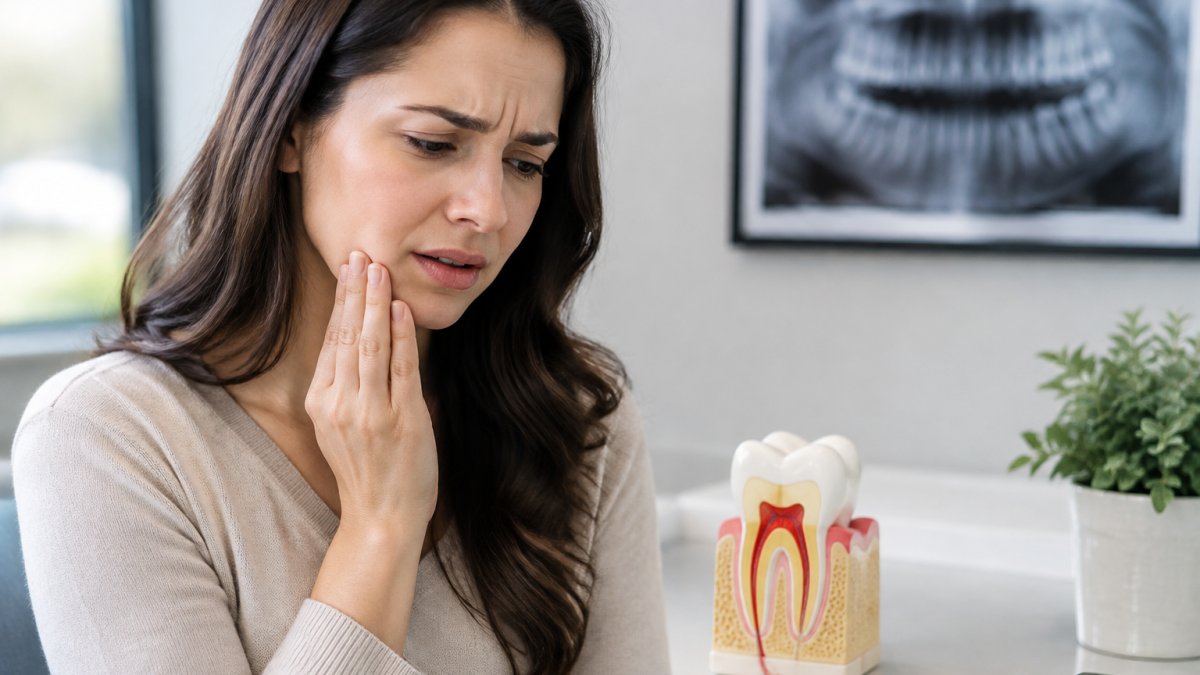
Dental warning signs that often come first include a throbbing toothache, swelling around the jaw, a bad taste, and pus near a tooth. Watch out: an untreated abscess will not resolve on its own, and delaying care lets the infection spread further.
What the Research Says About Gum Disease and Heart Disease
The association is well documented. People with gum disease are 28% more likely to suffer a heart attack than those without dental problems, according to CareQuest Institute for Oral Health research. Separately, Penn State Health reports that people with untreated tooth infections are 2.7 times more likely to have cardiovascular problems such as coronary artery disease.
For the broader clinical picture, see our overview of gum disease and heart health.
Correlation, Causation, and Shared Risk Factors
Here is where careful reading matters. Harvard Health Publishing notes that some institutions question a direct causal link, since gum disease and cardiovascular disease may simply travel together because of shared risk factors like smoking and systemic inflammation. The American Heart Association's position is similar: the two conditions are frequently observed together, but gum disease has not been proven the sole cause of heart disease.
That nuance does not make gum care optional. It means the honest framing is risk reduction, not guaranteed prevention. Both conditions share drivers, and treating one improves the odds on the other.
Who Faces the Highest Risk of Heart Valve Infection
The highest-risk group includes people with prosthetic heart valves, a history of infective endocarditis, certain congenital heart defects, and cardiac transplants with valve disease. These patients should be especially vigilant about oral hygiene and prompt dental treatment.
Risk rises further with:
- Previous valve replacement or repair
- Rheumatic heart disease
- Weakened immune function
- Poorly controlled diabetes
- Active periodontitis with deep pockets
- Intravenous drug use
Dental Protocols After Valve Replacement or Repair
If you have already had valve surgery, the dental plan changes in three phases, and most patients are not told all three.
Before surgery. Many surgical teams request a dental evaluation before valve surgery.
The first months after surgery. Early healing is a higher-risk period for valve infection. Ask your cardiologist and surgical team when routine dental care can resume.
Long term. Patients with prosthetic valves may need antibiotic prophylaxis before certain dental procedures; whether and when you need it should be confirmed with your cardiologist.
Watch out: if you had a valve repaired with a ring or patch, ask your cardiologist whether you still need prophylaxis, since the answer depends on your operative details.
Other Groups With Elevated Risk
Beyond surgical patients, several groups warrant the same vigilance. People with a prior episode of infective endocarditis carry a recurrence risk that stays elevated for years. Adults with unrepaired cyanotic congenital heart defects and those with residual defects after repair fall into the prophylaxis category. Patients on immunosuppressants after transplant, and people with poorly controlled diabetes, heal more slowly and mount a weaker response to oral infection.
If you fall into a high-risk category, our guide to finding a periodontist for high-risk patients walks through what to ask and what to bring to a first visit.
Certain cardiac and medical conditions raise the risk of heart valve infection, and these groups need extra vigilance about oral hygiene.
| Risk group | Why risk is higher |
|---|---|
| Prosthetic heart valves | Damaged or prosthetic valves give bacteria an easier surface |
| History of infective endocarditis | Recurrence risk stays elevated for years |
| Certain congenital heart defects | Unrepaired cyanotic defects fall into prophylaxis category |
| Cardiac transplant with valve disease | Transplant patients on immunosuppressants heal more slowly |
| Rheumatic heart disease | Listed as a factor that raises risk further |
| Poorly controlled diabetes | Weaker response to oral infection |
| Active periodontitis with deep pockets | Damaged pockets become open doors to bloodstream |
| Intravenous drug use | Repeated bacteremia and non-sterile injection practices |
Preventing Endocarditis Through Dental Care
Prevention comes down to reducing the bacterial load in the mouth and closing the entry points. That means consistent home care plus professional treatment of active gum disease, especially for cardiac patients.
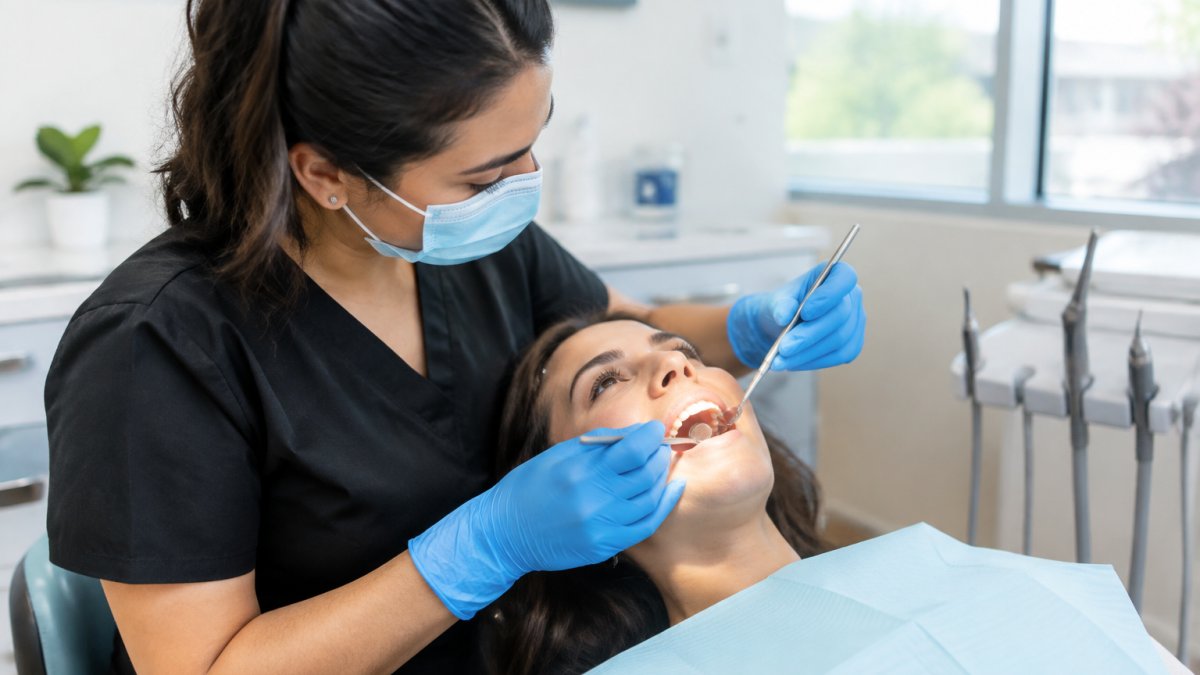
A practical prevention checklist:
- Brush twice daily with a soft-bristled brush
- Floss or use interdental cleaners once daily
- Keep professional cleanings on schedule
- Treat bleeding gums as a warning, not a nuisance
- Tell your dentist about valve disease or implants
- Take antibiotics before dental work only if your cardiologist prescribes them
Who Actually Needs Prophylactic Antibiotics Before Dental Work
This is the question that causes the most confusion, and the answer is narrower than most patients expect. Current American Heart Association guidance, aligned with the American College of Cardiology, limits pre-procedure antibiotics to a small set of cardiac categories:
- Prosthetic heart valves, including bioprosthetic and transcatheter-implanted valves, and prosthetic material used for valve repair
- A history of infective endocarditis, even if the valve was later repaired or replaced
- Certain congenital heart defects: unrepaired cyanotic defects, repaired defects with residual leaks or patches/devices placed within the past six months, and repaired defects with a persistent residual defect at the site of a prosthetic patch or device
- Cardiac transplant recipients who develop valvulopathy
Whether routine antibiotic prophylaxis applies to you depends on your specific cardiac history; confirm with your cardiologist before any procedure.
Watch out: never start antibiotics on your own before an appointment, and never skip a prescribed dose because you feel fine, the dose is timed to peak in your bloodstream during the procedure, not to treat an active infection.
Prophylactic regimens are typically a single dose taken before the procedure; your cardiologist and dentist should confirm the specific drug and timing for you. Your cardiologist and dentist should confirm the specific drug and dose, especially if you have a penicillin allergy or take a medication that interacts.
The Home-Care Routine That Actually Lowers Risk
For high-risk patients, consistent daily oral hygiene and on-schedule professional cleanings are an important part of care between visits.
If you are ready to address gum disease, review our periodontal care options and what treatment involves.
When to Request a Periodontal Evaluation
Request a periodontal evaluation if your gums bleed when brushing, have receded, feel tender, or if you have persistent bad breath or loose teeth. A periodontal evaluation typically measures pocket depth and checks for bone loss, which general exams may not assess in detail.
Signs that warrant scheduling an evaluation:
- Gums that bleed during routine brushing or flossing
- Redness, swelling, or tenderness along the gumline
- Teeth that look longer as gums recede
- New gaps or shifting between teeth
- Persistent bad breath despite good hygiene
- A family history of gum disease
Our guide to the signs of advanced gum disease helps you judge severity before you call.
Frequently Asked Questions
Can gum disease lead to infective endocarditis?
It can contribute to the risk. Gum disease lets oral bacteria enter the bloodstream through inflamed tissue, a process called bacteremia. Those microorganisms can settle on damaged heart valves or the endocardial surface and cause infective endocarditis, a rare but serious infection. The American Heart Association notes the link is recognized but not fully proven as a sole cause, so treating gum disease early remains the practical step. Anyone with a history of valve replacement or prosthetic valves should tell their dentist before any procedure.
How do I know if my tooth infection has spread to my heart?
Watch for fever, chills, night sweats, shortness of breath, fatigue that lingers, or a new heart murmur alongside a persistent toothache or swollen gums. These are symptoms of tooth infection spreading to heart, but they are general and overlap with many conditions. A tooth infection itself does not always produce obvious warning signs. If you have an untreated abscess plus any of these systemic symptoms, seek medical care promptly rather than waiting for the dental appointment.
Are patients with existing heart valve conditions at higher risk from gum disease?
Yes. People with prosthetic valves, a prior valve replacement, or a history of infective endocarditis carry a higher baseline risk because bacteria have an easier time attaching to altered valve tissue. The American Heart Association recommends antibiotic prophylaxis before certain dental procedures for this group. If you fall into one of these categories, confirm your status with your cardiologist and share it with your dental team before any cleaning or gum treatment.
What preventive dental measures reduce the risk of systemic infections?
Brush twice daily, floss once, and keep routine dental cleanings on schedule to control plaque and tartar. Treat gingivitis before it advances to periodontitis, since deeper pockets give bacteria more access to the bloodstream. If you smoke, quitting lowers both periodontal and cardiovascular risk. Patients with heart conditions should also confirm whether they need prophylaxis before invasive dental work. A periodontist can assess pocket depth and build a maintenance plan around your cardiac history.
Gum disease and heart valve risk are connected closely enough that ignoring bleeding gums is a gamble. If you have cardiac risk factors or symptoms that concern you, our board-certified periodontist and multi-specialty team can evaluate your gums, coordinate with your physician, and build a treatment plan around your health history. Get started with EPO Dental Specialists and take the first step toward protecting both your smile and your heart.