 ultimate-guide
Clear Aligner Therapy: A 2026 Guide to Benefits
Table of Contents
- What Clear Aligner Therapy Is and How It Works
- Aesthetic Appeal and Discreet Appearance
- Comfort and Convenience Compared to Traditional Braces
- Clear Aligners vs Braces: Key Differences
- Clear Aligner Treatment Duration and Timeline
- Clear Aligner Care and Maintenance
- Who Is and Isn't a Good Candidate
- Limitations, Costs, and What to Expect
- Frequently Asked Questions
Last Updated: October 14, 2026
What Clear Aligner Therapy Is and How It Works
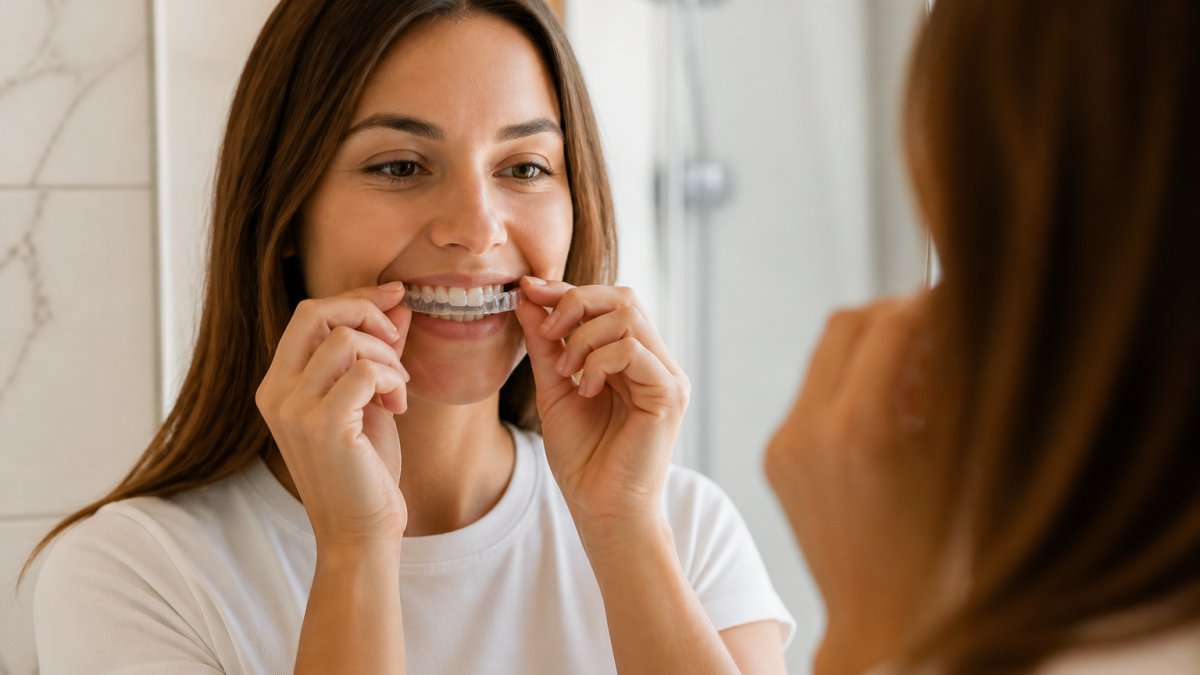
Clear aligner therapy uses custom-made, transparent plastic trays to gradually straighten teeth. Unlike metal braces, these removable aligners apply gentle, consistent pressure per a digital treatment plan.
It begins with a digital scan or impression that maps each stage of tooth movement.
At EPO Dental Specialists, our certified orthodontist develops a personalized treatment plan using advanced digital planning technology, addressing minor crowding, misaligned teeth, or bite concerns with precision.
Aesthetic Appeal and Discreet Appearance
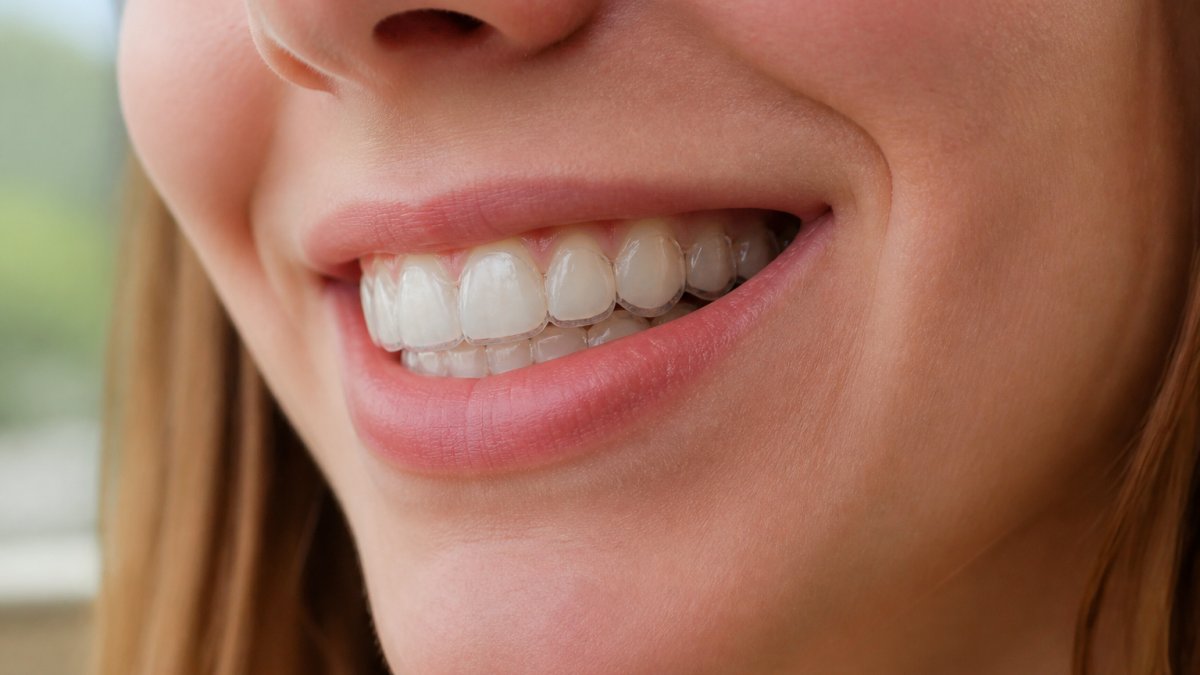
A primary advantage of clear aligner therapy is its virtually invisible appearance. The transparent trays straighten teeth without metal brackets and wires, appealing to adults and teenagers who want to avoid drawing attention to treatment.
Because treatment goes largely unnoticed, many patients feel more comfortable in social and professional settings.
The clear plastic blends with natural teeth, providing cosmetic benefits without the aesthetic compromises of metal braces.
Comfort and Convenience Compared to Traditional Braces
Clear aligner therapy offers comfort advantages over metal braces.
Removability adds convenience: take aligners out to eat, brush, and floss, so you're not restricted from hard, sticky, or crunchy foods and can brush and floss normally.
Clear aligner therapy also requires fewer dental visits than braces, which need regular tightening. You receive multiple trays at once and change them at home.
Clear Aligners vs Braces: Key Differences
Understanding how clear aligner therapy differs from traditional braces helps you decide.
Braces use fixed brackets and wires adjusted periodically; clear aligners are custom trays worn continuously but removable for eating and cleaning.
Metal braces are immediately noticeable; clear aligners remain virtually invisible.
Complex cases may be faster with braces, while clear aligner therapy often suits mild to moderate issues.
| Aspect | Clear Aligners | Traditional Braces |
|---|---|---|
| Appearance | Virtually invisible | Highly visible |
| Comfort | Smooth, gentle pressure | Can cause irritation |
| Removability | Yes, for eating and cleaning | Fixed to teeth |
| Oral hygiene | Normal brushing and flossing | Requires special techniques |
| Appointment frequency | Fewer visits | Monthly adjustments |
| Diet restrictions | None | Limited foods |
| Treatment speed | Varies by case | Often faster for complex cases |
Clear Aligner Treatment Duration and Timeline
Clear aligner therapy duration depends on case complexity.
Minor crowding may resolve in as little as six months; significant bite concerns or complex alignment issues require longer for stable results.
Your commitment matters: clear aligner therapy requires consistent wear, typically 20 to 22 hours per day, to achieve the results in your digital treatment plan.
Regular follow-ups let your specialist monitor progress, adjust the plan, and provide your next set of aligners.
Clear Aligner Care and Maintenance
Proper care maintains aligner effectiveness and lifespan. Rinse with lukewarm water each time you remove them and gently clean all surfaces with a soft-bristled toothbrush to prevent discoloration and odor.
Store aligners in their case to protect against damage, loss, and bacteria.
Brush after meals and before reinserting to prevent plaque and cavities, and floss daily, since aligners trap bacteria against uncleaned teeth.
Handle aligners carefully to avoid cracking. Never use hot water, which damages the plastic.
Who Is and Isn't a Good Candidate
Cases that commonly respond well to aligners
- Mild to moderate crowding, teeth rotated or overlapped enough to trap plaque but with adequate arch space to be unraveled.
- Spacing and gaps, diastemas and generalized spacing, provided the roots are healthy and the gums are stable.
- Mild to moderate overjet, front teeth that protrude slightly, when there is room to retract them.
Cases that often need a different approach
- Severe skeletal discrepancies, a true jaw-size mismatch is a growth or surgical problem, not a tooth-position problem. Aligners move teeth; they do not move jaws.
- Severe deep bite or open bite with skeletal involvement, these frequently require fixed appliances, elastics, or auxiliary mechanics to control vertical dimension.
- Significant rotations of round-rooted teeth, premolars and canines with conical roots can be difficult to rotate predictably with a removable tray alone.
- Impacted or unerupted teeth, these need surgical exposure and fixed mechanics to bring the tooth into the arch.
The compliance filter
Candidacy is not only about tooth movement, it is about whether the patient will actually wear the appliance. A simple case with poor compliance is a worse aligner candidate than a moderately complex case with good compliance.
Age considerations
- Adults, the largest aligner population. The main caveats are existing restorations, periodontal status, and the fact that adult tooth movement can be slower and relapse-prone.
- Teenagers, good candidates when the permanent dentition is essentially complete and the patient is responsible enough to manage trays. Many practices use compliance-tracking trays for this group.
- Children with primary or mixed dentition, generally not appropriate, because the teeth and jaws are still developing and the treatment plan would be a moving target.
Why the assessment matters more than the label
No article can tell you whether you are a candidate. Candidacy requires a clinical exam plus imaging: a digital scan or impression, bite records, and radiographs to evaluate root position, bone levels, and unerupted teeth.
Limitations, Costs, and What to Expect
Here is what to actually expect from aligner treatment.
Wear time is the whole treatment
Aligners are designed to be worn roughly 20 to 22 hours per day, full-time except while eating, drinking anything but water, and cleaning your teeth.
What inconsistent wear looks like in practice:
- Trays that feel loose or drop in easily, usually a sign the previous stage was not completed.
- A tray that will not seat at all, the teeth have not caught up to the plan; the orthodontist may have you step back a stage or hold the current tray longer.
- A longer total treatment time, missed hours are not recovered; they are added to the end.
- A mid-course refinement, a new scan and a new series of trays to finish movements that did not track.
Common limitations and side effects
- Mild discomfort for the first day or two of each new tray, this is normal and usually fades as the tooth moves. It is a sign the tray is working, not a sign something is wrong.
- Speech changes, a slight lisp or altered "s" and "th" sounds for the first few days. Most people adapt within a week or two; some notice it more in recording or on the phone.
- Attachments, small tooth-colored composite bumps bonded to certain teeth to give the tray something to grip for rotations and extrusions. They are visible up close and can stain if you drink coffee or tea without removing trays.
- Lost or damaged trays, a dropped tray in the trash, a tray cracked from being cleaned in hot water, or a tray chewed by a pet. Replacement takes time and may carry a fee.
What drives the cost
Aligner pricing depends on several factors:
- Case complexity and number of trays, a short relapse case and a full-arch comprehensive case are priced differently.
- Treatment duration, longer plans mean more trays, more visits, and more lab work.
- Whether refinements are included, ask specifically whether the quoted fee covers refinement trays and how many.
- Retainers, often billed separately from the active treatment fee. Ask whether retainers are included and what replacements cost.
Insurance and payment
Many dental plans include an orthodontic benefit, but terms vary widely, a lifetime maximum, age limit, waiting period, or medical-necessity requirement.
Retention: the part that never ends
Treatment does not stop when the last tray comes out. Teeth drift back over a lifetime, with the first months after treatment carrying the highest relapse risk. The standard protocol is:
- Full-time retainer wear immediately after treatment, typically around the clock for a period, then
- Nighttime-only wear indefinitely, for most patients, this is a long-term commitment, not a temporary one.
Retainers come in two main forms: a clear removable tray (similar to an aligner) and a fixed wire bonded behind the front teeth; some patients wear both.
Realistic expectations
Frequently Asked Questions
What are the main benefits of clear aligner therapy?
Clear aligner therapy offers several distinct advantages: the aligners are virtually invisible, making them aesthetically appealing for adults and teens concerned about appearance. They're removable, allowing you to eat and drink normally and maintain oral hygiene more easily than with fixed braces. Treatment typically requires fewer dental visits, and the customized treatment plan uses digital technology to predict results. Many patients experience faster results compared to traditional braces, though this depends on the complexity of tooth movement needed.
How do clear aligners work to straighten teeth?
Clear aligners use a series of custom-made, removable trays that apply gentle, consistent pressure to move teeth gradually into alignment. Your orthodontist creates a digital treatment plan that maps out each stage of tooth movement. You wear each tray for about two weeks before progressing to the next one. The aligners exert controlled force on specific teeth, guiding them to their target positions over the course of treatment. This predictable, step-by-step approach allows your dentist to anticipate results before treatment begins.
How long does clear aligner treatment typically take?
Clear aligner treatment duration varies based on the complexity of your case. Minor crowding or bite concerns may resolve in 6 to 12 months, while more complex misalignment might take 18 to 24 months or longer. On average, treatment falls between 12 and 18 months. Your orthodontist will provide a specific timeline after evaluating your teeth and creating your customized treatment plan. Consistent daily wear and following tray-change schedules are essential to staying on track with your predicted treatment duration.
Are clear aligners as effective as traditional braces?
Clear aligners are highly effective for many cases, particularly mild to moderate crowding and bite concerns. They can achieve comparable results to metal braces when used properly and when the patient maintains consistent wear time. However, traditional braces may be more effective for severe misalignment or complex bite problems. Your orthodontist will assess your specific situation and recommend the best option. Both methods rely on patient compliance, braces require careful cleaning, while aligners require disciplined daily wear and proper maintenance.
Can you eat and drink normally while wearing clear aligners?
Yes, one of the major advantages of clear aligners is removability. You take them out before eating and drinking anything other than water, so there are no food restrictions like those with fixed braces. This means you can enjoy all your favorite foods without worry. After eating, simply rinse your mouth and reinsert the aligners. However, you must wear them for the recommended 20 to 22 hours daily for effective treatment. Removing them frequently for meals and snacks requires discipline, but the freedom to eat normally is a significant quality-of-life benefit.
How do you care for and maintain clear aligners?
Clean your aligners daily by rinsing them with lukewarm water and brushing gently with a soft toothbrush. Avoid hot water, which can warp the plastic. Store them in their case when not wearing them. Brush and floss your teeth before reinserting the aligners to prevent plaque buildup and cavities. Some patients use denture tablets or aligner-specific cleaning solutions for deeper cleaning. Proper maintenance keeps the trays clear, odor-free, and effective. Your orthodontist will provide detailed care instructions to ensure your aligners remain in good condition throughout treatment.
Who is a good candidate for clear aligner therapy?
Clear aligners work well for adults and teenagers with mild to moderate crowding, spacing, or bite concerns. Candidates must be committed to wearing the aligners 20 to 22 hours daily and following care instructions. Good oral hygiene is important, as is the ability to keep appointments for progress checks. People with severe misalignment, significant bite problems, or certain dental conditions may not be ideal candidates and might benefit more from traditional braces. Your orthodontist will evaluate your teeth and discuss whether clear aligner therapy suits your specific situation and treatment goals.