 how-to
How to Reverse Early Stage Gingivitis
Last Updated: October 26, 2026
Quick Summary
You can reverse early stage gingivitis through consistent daily brushing and interdental cleaning combined with professional tartar removal. Early stage gingivitis is fully reversible when caught before it progresses to periodontitis, which causes permanent bone loss.
- Brush for two minutes twice daily at a 45-degree angle toward the gumline using light pressure.
- Clean between every tooth daily with floss, interdental brushes, or a water flosser before brushing.
- Bleeding gums typically improve within 3 to 7 days and largely stop within 2 to 4 weeks with consistent home care.
- Schedule a professional cleaning if symptoms don't improve after 3 weeks or if visible tartar is present.
- Gingivitis is reversible, but periodontitis causes permanent bone loss and cannot be fully reversed.
Table of Contents
- Understanding Early Stage Gingivitis and How It Develops
- Recognizing the Signs: Red, Swollen, and Bleeding Gums
- How to Treat Gingivitis at Home
- How Long Gingivitis Takes to Heal
- Professional Gingivitis Treatment and When to See a Dentist
- Gingivitis vs. Periodontitis: Know the Difference
- Schedule Your Gum Health Consultation
- Frequently Asked Questions
Understanding Early Stage Gingivitis and How It Develops
Recognizing reverse early stage gingivitis is the first sign your gums need attention. Gingivitis is gum inflammation caused by bacterial plaque buildup along the gumline.
The good news: early stage gingivitis is reversible.
Plaque forms naturally every day. When you skip brushing or flossing, bacteria multiply, and over 10 to 14 days plaque hardens into tartar that brushing alone cannot remove.
Several factors speed up gingivitis development:
- Inconsistent brushing or flossing
- Smoking, which weakens gum tissue
- Dry mouth or poor saliva flow
The key is recognizing these early signs before the condition progresses to periodontitis, where bone loss becomes permanent.
Recognizing the Signs: Red, Swollen, and Bleeding Gums
You'll know gingivitis is developing when your gums change color and feel different. The earliest signs are subtle but unmistakable once you know what to look for.
Bleeding gums during brushing or flossing is the most common first sign.
Red or dark gums replace the pale pink of healthy tissue.
Bad breath that doesn't improve with mouthwash can signal gum inflammation. Bacteria produce sulfur compounds that create odor.
Watch for these additional signs:
- Receding gumline (gums pulling away from teeth)
- Pockets forming between teeth and gums
- Loose-feeling teeth or slight shifting
Early detection matters. Cleveland Clinic's guide to gingivitis symptoms confirms that catching these signs early makes treatment far more effective. If you notice any combination of these symptoms, learn more about persistent gum bleeding causes or schedule a professional evaluation to rule out other conditions.
How to Treat Gingivitis at Home
The key to reverse early stage gingivitis comes down to one mechanism: disrupting the bacterial plaque along and just below the gumline before it hardens into tartar. Learn a comprehensive step-by-step approach to treating gum disease for additional guidance beyond home care.
A Sequenced Daily Routine
A practical, evidence-based plan for a typical day:
Morning
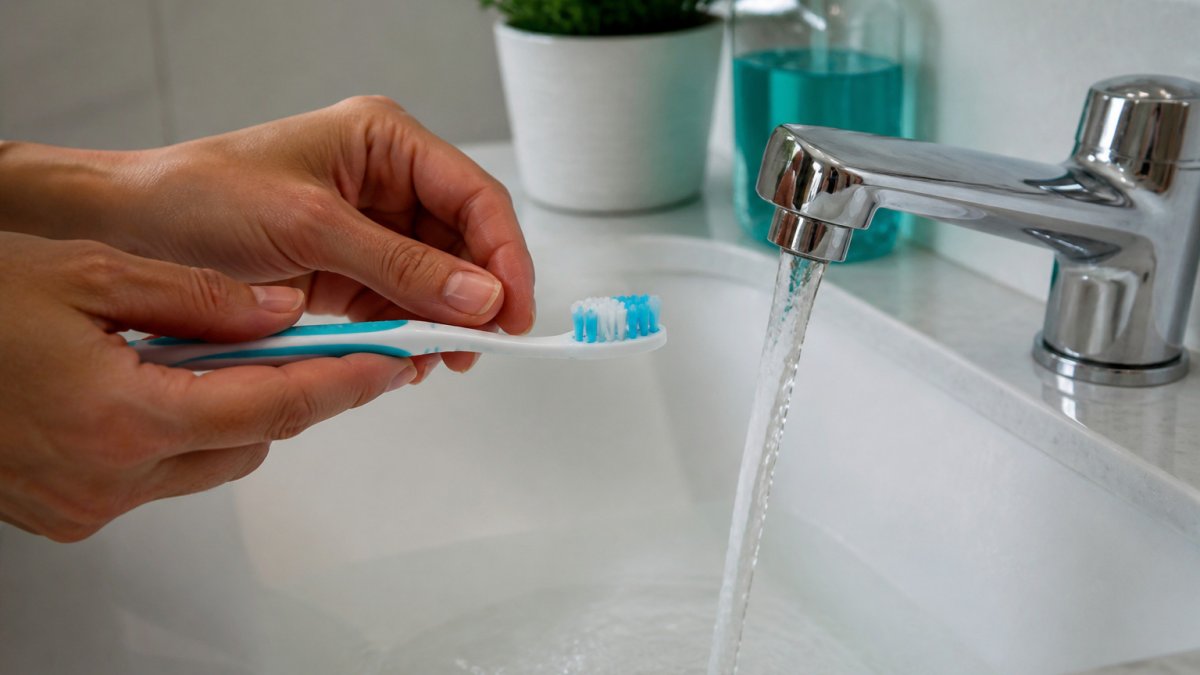
- Brush for two minutes with a soft-bristled or electric toothbrush and fluoride toothpaste, angling the bristles 45 degrees toward the gumline.
- Spit, don't rinse immediately, leaving a thin film of fluoride on the teeth supports enamel and gum health.
- Use an antibacterial rinse only if your dentist recommends one; otherwise, water is fine.
Evening (the more important session)
- Clean between every tooth first, floss, interdental brush, or water flosser. Doing this before brushing lets the fluoride reach the now-clean surfaces between teeth.
- Brush for two minutes with the same 45-degree technique, covering outer, inner, and chewing surfaces on both arches.
- Rinse with an antibacterial mouthwash for 30 seconds if recommended.
Why order matters: Interdental cleaning first removes plaque from spaces a toothbrush can't reach, and brushing afterward distributes fluoride into them. Reversing the order isn't harmful, but this sequence gets more out of each step.
Technique Details That Actually Change Outcomes
- Pressure: Use light pressure, about the weight of a pencil pressing into your gum. Heavy scrubbing injures gum tissue and worsens bleeding.
- Angle: The 45-degree angle is not optional. Plaque concentrates in the sulcus, the shallow groove between gum and tooth, and a flat brush glides right over it.
- Time: Two minutes, twice a day. Most people brush under a minute without realizing it; a timer or quadrant-timer brush solves this.
Interdental Cleaning: Choose What You'll Actually Use
Your toothbrush can't reach between teeth, exactly where gingivitis often starts. Options, in rough order of mechanical cleaning power:
- String floss: The reference standard. About 18 inches, sawed gently between teeth, curved into a C-shape around each tooth and slid just under the gumline.
- Interdental brushes: Small bottle-brush tools that fit between teeth and remove plaque mechanically. Often easier and more effective than floss for people with wider gaps or bridgework.
- Water flossers: A pressurized water stream that cleans between teeth and below the gumline. Easy to adopt, though it doesn't replace the mechanical scraping of floss or interdental brushes for tight contacts.
The best tool is the one you'll use every single day. Consistency beats technique perfection.
Antibacterial Mouthwash: What the Evidence Supports
Antimicrobial rinses reduce bacterial load and help control inflammation as an adjunct, not a substitute, for brushing and interdental cleaning. Look for:
- Chlorhexidine: Prescription-strength and effective, but typically used short-term because long-term use can stain teeth and alter taste.
- Cetylpyridinium chloride: An over-the-counter option with modest antibacterial effect.
- Essential-oil rinses: Some have evidence for reducing plaque and gingivitis when used alongside brushing and flossing.
Avoid high-alcohol rinses if you have dry mouth, since alcohol worsens tissue dryness. Ask your dentist which rinse, if any, fits your situation.
What About Home Remedies?
Adherence Tips That Make the Routine Stick
- Anchor habits: Attach flossing to something you already do nightly, like before your shower or while a podcast plays.
- Keep tools visible: A water flosser or floss on the counter gets used; one in a drawer does not.
- Set a two-minute timer or use an electric brush with a built-in quadrant timer.
Stay hydrated throughout the day. Saliva is a natural defense against plaque, and dry mouth, from medications, mouth breathing, or caffeine, gives bacteria an easier foothold.
How Long Gingivitis Takes to Heal
Most people want a number, but healing time for early stage gingivitis depends on how much inflammation you started with and how consistently you remove plaque. What you can track is the sequence in which symptoms typically improve, more useful than any single timeline.
A common pattern practitioners see:
- Days 3 to 7: Bleeding during brushing or flossing starts to decrease. Some pink in the sink is still normal early on, especially if you've just started flossing regularly.
- Weeks 1 to 2: Gum color moves back toward pale pink. Puffiness and tenderness ease. Bad breath linked to bacterial load improves.
- Weeks 2 to 4: Bleeding on routine brushing largely stops. Gums feel firmer and fit more snugly against the teeth.
These ranges assume no smoking, well-controlled blood sugar, and no saliva-suppressing medications. If any apply, expect a slower curve, not because your routine is failing, but because healing capacity is reduced.
How to Monitor Improvement
Rather than guessing, track three observable signs:
- Bleeding on brushing. Note whether you see blood after a normal two-minute brush. It should trend down week over week.
- Gum color and contour. Compare the gumline in a mirror under the same lighting each week. Healthy gums are pale pink and hug the tooth with a firm, knife-edge margin.
- Tenderness. Rate discomfort when chewing or brushing on a simple 0-3 scale. It should fall toward zero.
A simple habit: take a dated phone photo of your front gumline once a week. Side-by-side photos reveal change that's hard to see day to day.
When Slow Healing Signals a Problem
Also seek prompt assessment if you notice any of the following, which go beyond routine gingivitis:
- Bleeding that continues for minutes after you stop brushing
- Pain that wakes you or interferes with eating
- Pus or a bad taste coming from the gumline
Realistic Expectations
There is no fixed cure window for every reader. Gum tissue heals gradually and progress is rarely linear, a stressful week, a missed flossing day, or a cold can set you back. The goal is a downward trend in bleeding and inflammation over several weeks, confirmed by a professional cleaning if tartar is present. If you smoke, have diabetes, take drying medications, or are pregnant, discuss your timeline with your dentist, since those factors change how fast you improve and how closely you should be monitored.
Professional Gingivitis Treatment and When to See a Dentist
Home care alone isn't always enough. Understand how untreated gum disease affects your heart health to see why professional treatment matters for your overall wellness.
Schedule a professional cleaning if:
- You have visible tartar on your teeth
- Your gums bleed heavily or persistently
- You have pockets forming between teeth and gums
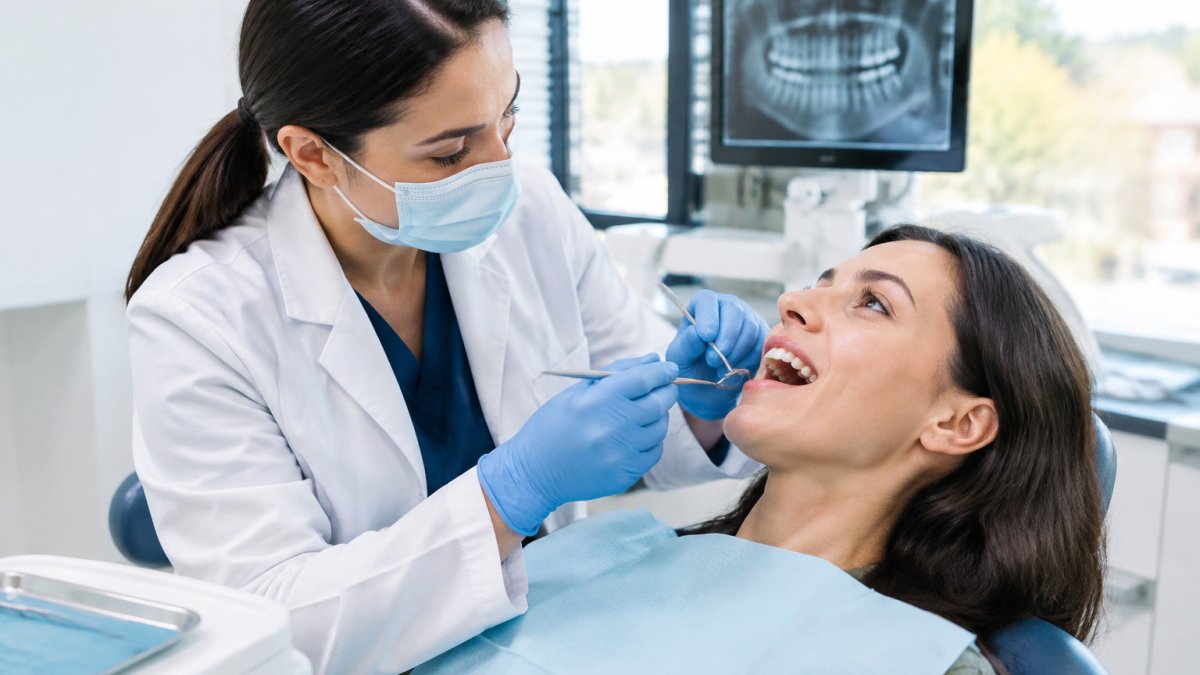
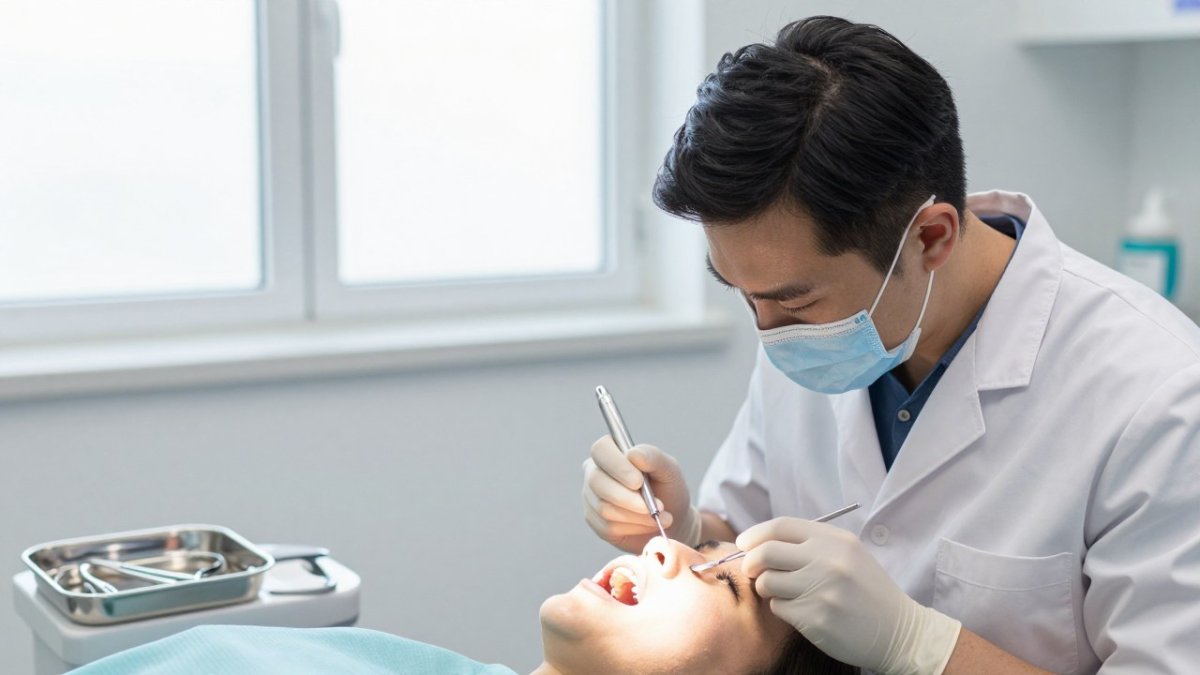
Professional cleaning involves scaling, which removes tartar from above and below the gumline.
After professional cleaning, gums usually improve noticeably within days: bleeding stops, swelling decreases, and tenderness fades.
CDC guidance on gum disease prevention emphasizes that professional care is essential when home treatment alone isn't sufficient. At EPO Dental Specialists, our Board-Certified periodontist. Schedule a gum health consultation.
Gingivitis vs. Periodontitis: Know the Difference
Understanding the difference between gingivitis and periodontitis matters because treatment and prognosis differ dramatically.
Gingivitis affects only the gums. Inflammation is limited to soft tissue. With proper treatment, your gums return to normal health.
Periodontitis (advanced gum disease) extends below the gumline to the bone and ligaments supporting your teeth.
Key differences:
| Factor | Gingivitis | Periodontitis |
|---|---|---|
| Reversibility | Fully reversible | Not reversible; manageable only |
| Bone loss | None | Permanent |
| Tooth mobility | Teeth stable | Teeth may loosen or shift |
| Pockets | Shallow or none | Deep pockets form |
| Treatment | Home care + cleaning | Professional therapy required |
| Progression | Weeks to months | Months to years |
The transition from gingivitis to periodontitis is gradual. Early signs include pockets deeper than 3mm, bone loss on X-rays, and loose teeth. Learn more about receding gums and advanced treatment if you suspect progression.
Catching gingivitis early and treating it aggressively prevents this progression.
American Academy of Periodontology information on gum disease stages confirms that early intervention stops the disease from advancing to irreversible periodontitis.
Schedule Your Gum Health Consultation
Early stage gingivitis responds well to consistent home care plus professional support. The sooner you address it, the better your outcome; waiting lets it progress toward periodontitis, where permanent damage becomes inevitable.
If you're experiencing bleeding gums, swelling, or redness, don't ignore these warning signs. A professional evaluation identifies exactly what you're dealing with and rules out other conditions. Our Board-Certified periodontist.
Frequently Asked Questions
Can you reverse early stage gingivitis?
Yes, early stage gingivitis is generally reversible with consistent oral hygiene and professional treatment. Early-stage gum disease responds well to twice-daily brushing, daily flossing, and regular professional cleanings. The key is catching it before it progresses to periodontitis, which causes permanent damage. Most people see improvement within 10 to 14 days of starting a rigorous home care routine combined with professional cleaning.
How long does it take for gingivitis to heal?
Early gingivitis typically shows signs of improvement within 10 to 14 days of consistent home care and professional cleaning. However, complete healing of gum inflammation can take 2 to 3 weeks or longer, depending on the severity and your individual response to treatment. Factors like smoking, stress, and overall health affect healing time. Continued daily flossing and brushing are essential to prevent recurrence.
What is the difference between gingivitis and periodontitis?
Gingivitis is early-stage gum inflammation caused by bacterial plaque and is reversible with proper treatment. Periodontitis is advanced gum disease where the infection spreads below the gumline, destroying bone and connective tissue that support teeth. Unlike gingivitis, periodontitis causes permanent damage and can lead to tooth loss. Early intervention to reverse gingivitis prevents progression to periodontitis.
When should I see a dentist for bleeding or swollen gums?
Schedule a dental appointment as soon as you notice persistent bleeding gums, red or swollen gums, or bad breath lasting more than a few days. These are early warning signs of gingivitis that need professional assessment. A dental hygienist can perform a professional cleaning to remove tartar and calculus below the gumline. Early professional intervention prevents progression to periodontitis and saves your teeth.
Take action now. Your gums are telling you something needs to change. Schedule a consultation with EPO Dental Specialists to get a clear diagnosis, professional cleaning if needed, and a treatment plan tailored to your situation. Early intervention stops gingivitis before it becomes a more serious problem.