 comparison
Best Clear Aligners: A 2026 Comparison Guide
Table of Contents
- What Are Clear Aligners and How They Work
- Clear Aligners vs. Braces: Key Differences
- Invisalign vs. ClearCorrect: Provider-Supervised Comparison
- Clear Aligner Treatment Time: What to Expect
- Clear Aligner Cost and Payment Considerations
- Who Is a Good Candidate for Clear Aligners
- Why Professional Supervision Matters
- Conclusion
- Frequently Asked Questions
Last Updated: October 17, 2026
What Are Clear Aligners and How They Work
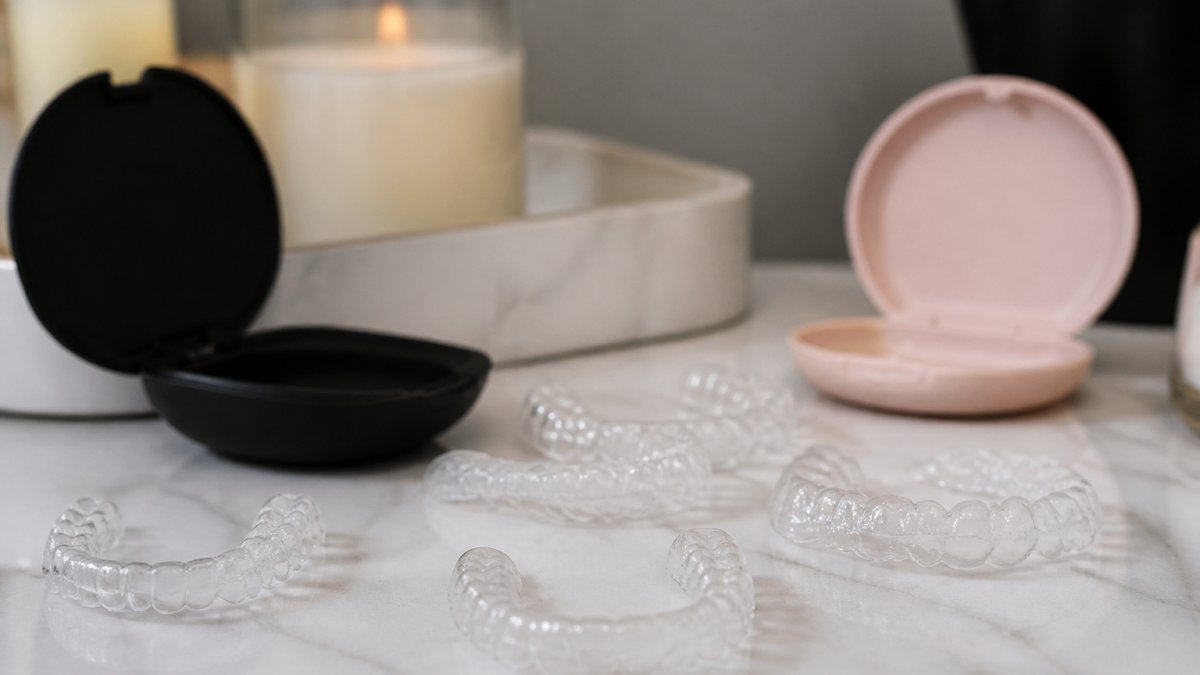
Clear aligners are custom-made, removable trays that gradually shift your teeth into alignment. Unlike traditional braces with wires and brackets, clear aligners use a series of nearly invisible plastic trays to apply gentle, consistent pressure.
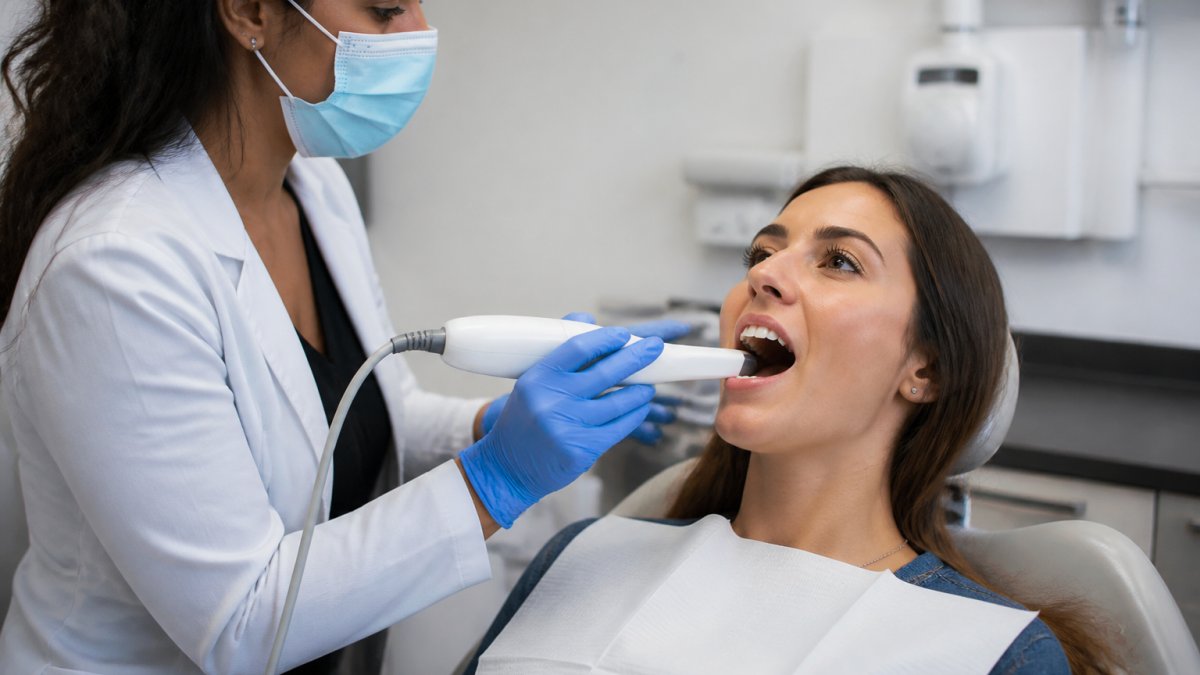
The process starts with a digital scan or impression, which creates a 3D model your orthodontist uses to map your entire treatment path.
What makes clear aligners appealing is their discretion: smooth, transparent plastic that's barely noticeable when you smile. You can also remove them to eat, drink, and clean your teeth, meaning no dietary restrictions and easier oral hygiene than traditional braces.
The effectiveness of clear aligners depends heavily on compliance. You need to wear them for 20-22 hours per day for the treatment to stay on schedule. Skip this commitment, and your teeth won't move as planned, extending your treatment timeline.
Clear Aligners vs. Braces: Key Differences
Traditional braces and clear aligners both straighten teeth, but differently. Braces use metal brackets bonded to each tooth, connected by a wire the orthodontist tightens periodically, giving direct, constant control over tooth movement (the American Dental Association).
Clear aligners apply pressure through a series of custom trays you change regularly. The orthodontist designs the entire plan upfront using computer modeling, so pressure points are predetermined rather than adjusted in real time.
Here's where the differences matter most:
| Factor | Clear Aligners | Traditional Braces |
|---|---|---|
| Appearance | Nearly invisible plastic | Visible metal or ceramic brackets |
| Removability | Yes, for eating and cleaning | Bonded to teeth permanently |
| Comfort | Smooth plastic, no wire irritation | Brackets and wires can irritate gums and lips |
| Cleaning | Easier; remove trays to brush | Requires special floss threaders and picks |
| Treatment Speed | Typically 12-24 months | Typically 18-36 months |
| Cost | Varies by provider | Generally comparable to aligners |
| Complex Cases | Limited; some issues require braces | Can handle severe crowding and bite problems |
Clear aligners excel at mild-to-moderate spacing and crowding and suit disciplined patients who care about appearance. Braces remain better for severe bite problems, complex rotations, or cases needing precise real-time adjustments. Your orthodontist can assess which suits you during a consultation.
Invisalign vs. ClearCorrect: Provider-Supervised Comparison
When you choose clear aligners through a dental professional, you'll encounter established brands like Invisalign and ClearCorrect. Both are provider-supervised systems, meaning an orthodontist or dentist oversees your entire treatment. But comparing them by brand name alone is the wrong framework.
Invisalign uses SmartTrack material, has been around longer, and has the largest clinical database tracking outcomes. A doctor prescribes and supervises treatment with periodic check-ins.
ClearCorrect is another provider-supervised option requiring professional oversight and custom planning.
Here is how to compare them on the criteria that actually affect your outcome:
| Comparison criterion | What to ask | Why it matters |
|---|---|---|
| Clinical oversight | Who designs the treatment plan, and how often do they review progress? | The plan, not the brand, determines whether teeth move safely |
| Monitoring cadence | How often are check-ins, and are they in person or virtual? | Undetected tracking problems can stall treatment or damage teeth |
| Material and staging | How many trays, and how large is each movement step? | Smaller steps are generally gentler and more predictable |
| Refinement policy | Are refinement trays included, and how many? | Refinements are common and can add cost and time |
| Retention plan | What retainer is included, and what does replacement cost? | Relapse is the most common long-term failure point |
| Total cost | What is included beyond the advertised starting price? | Advertised prices rarely reflect the full treatment cost |
Both systems rely on your compliance: wear trays 20-22 hours daily and treatment stays on schedule; skip them and you'll see delays. Both also include retention plans, typically a retainer to prevent teeth from shifting back.
The choice often comes down to your orthodontist's preference and which system they use.
Clear Aligner Treatment Time: What to Expect
Most clear aligner treatment takes 12 to 24 months, varying by your dental issues and how consistently you wear your trays.
Mild spacing issues, small gaps between teeth, often resolve faster, sometimes in 6-12 months. Moderate crowding typically takes 12-18 months. More complex bite problems or severe crowding may push toward 24 months or beyond, and some cases benefit from traditional braces instead.
Compliance also drives your timeline. Wearing trays the full 20-22 hours daily keeps you on schedule; skip days and your teeth won't move as planned, so your orthodontist may extend treatment or adjust your plan.
Most systems include check-ins every 4-6 weeks, when your orthodontist monitors progress and confirms teeth are moving as expected.
After your active treatment ends, retention begins. You'll typically wear a retainer nightly for the first 6-12 months, then potentially for life to prevent relapse.
Clear Aligner Cost and Payment Considerations
Clear aligner pricing varies by provider, case complexity, and whether you see a general dentist or specialist. Before committing, ask for a written, itemized total and understand which line items are included and which are billed separately.
When evaluating cost, consider what's included:
- Initial consultation and digital scan or impression
- Custom tray fabrication for your entire treatment plan
- Periodic check-in visits during treatment
- Refinement trays if needed to fine-tune your final result
- Retainers after treatment ends
Advertised price vs. total cost. A quoted starting price usually covers the aligner trays and the initial scan.
What drives the total up or down. Case complexity is the biggest variable: mild spacing or crowding may need fewer trays and visits, while complex bite corrections may need more refinement rounds and longer monitoring.
Insurance and financing. Many practices offer payment plans to spread the cost, and many insurance plans cover a portion of orthodontic treatment, whether braces or clear aligners.
The cost nobody budgets for: retention. Retainers wear out and need replacement, and inconsistent retainer use is the most common reason teeth shift back after treatment.
Who Is a Good Candidate for Clear Aligners
Clear aligners work best for adults and teenagers with mild-to-moderate orthodontic issues, depending on your specific dental problems and your commitment to the protocol.
Ideal candidates have:
- Mild-to-moderate spacing or crowding (not severe)
- Mild bite issues that don't require complex jaw realignment
- Healthy gums and bone structure
- Good oral hygiene habits
- Discipline to wear trays 20-22 hours daily
- Realistic expectations about treatment time and results
Clear aligners can address crowding, spacing, and some bite corrections, cosmetic alignment, closing gaps, fixing mild rotations, and improving your smile. But they have limits: severe crowding, complex bite problems, or cases requiring significant jaw repositioning typically need traditional braces or oral surgery.
Not ideal for clear aligners:
- Severe crowding or bite problems
- Patients who can't commit to wearing trays consistently
- Very young children (aligners require discipline and responsibility)
- Cases with significant gum disease or bone loss
- Teeth with large restorations or implants that complicate aligner fit
Your orthodontist will assess your situation during a consultation, taking digital scans, reviewing your bite, and discussing your goals. If clear aligners aren't suitable, they'll recommend alternatives like traditional braces or a combination approach.
Why Professional Supervision Matters
Clear aligner treatment requires professional oversight, and there's a significant difference between provider-supervised systems and at-home options. Professional supervision means an orthodontist or dentist designs your treatment plan, monitors your progress, and makes adjustments as needed.
When you work with an orthodontist through a system like Invisalign or ClearCorrect, they're responsible for your outcome. They use clinical expertise to plan tooth movements, anticipate complications, and modify treatment if teeth aren't tracking correctly, and if something goes wrong, they can intervene.
At-home clear aligner options skip this oversight: you take your own impression, send it to a company, and receive trays based on an algorithm rather than a doctor's clinical judgment. It's cheaper but riskier, without professional monitoring, problems may go undetected until significant damage occurs.
Professional supervision also protects your gums and bone structure: orthodontists screen for gum disease, bone loss, and other issues that could complicate tooth movement, and adjust your plan if needed to protect your oral health.
Conclusion
The best clear aligners offer a discreet, convenient path to straighter teeth for candidates with mild-to-moderate orthodontic issues. Systems like Invisalign and ClearCorrect deliver proven results when you commit to wearing your trays consistently and working with a qualified professional.
The best clear aligners are those prescribed and supervised by an orthodontist who understands your specific dental needs and can adjust your treatment plan as needed. At EPO Dental Specialists, our certified orthodontist uses advanced digital scanning technology and personalized treatment planning to ensure your clear aligner therapy delivers the results you're seeking. Whether you're exploring clear aligners for the first time or ready to begin treatment, we invite you to request an appointment to discuss your options and determine the right path forward for your smile.
Frequently Asked Questions
What is the difference between at-home and dentist-supervised clear aligners?
Dentist-supervised clear aligners like Invisalign, ClearCorrect, and Spark are prescribed and monitored by an orthodontist or dentist who creates a custom treatment plan, performs regular check-ins, and adjusts the plan as needed. At-home kits skip professional oversight. Supervised treatment offers clinical guidance, faster problem-solving if complications arise, and professional accountability for results. This is especially important for complex cases involving crowding, bite issues, or spacing problems that require expert diagnosis.
How long does clear aligner treatment typically take?
Clear aligner treatment time varies based on case complexity, but most patients complete treatment in 6 to 18 months. Simpler cases (mild spacing or minor crowding) may finish in 6 to 9 months, while moderate to complex cases often take 12 to 18 months. Your orthodontist will provide a timeline during the consultation after reviewing your digital scan or impressions. Compliance with the wear schedule (typically 20 to 22 hours per day) directly affects how quickly you see results.
Are clear aligners better than braces for teeth straightening?
Clear aligners and braces both straighten teeth effectively, but they differ in approach. Aligners are removable, nearly invisible, and allow normal eating and brushing, making them popular for adults and image-conscious teens. Braces are fixed, more visible, and can handle severe crowding or complex bite problems that some aligners cannot. Braces also don't require patient compliance with wear schedules. The best choice depends on your case complexity, lifestyle, and aesthetic preferences. Your orthodontist can recommend which is right for you.
What should I expect to pay for clear aligner treatment?
Clear aligner costs vary widely depending on case complexity, treatment duration, and your provider. Some providers offer published pricing, while others like Invisalign and ClearCorrect price based on individual treatment plans. Factors affecting cost include the number of aligners needed, follow-up visits, and refinements. Ask your orthodontist for a detailed cost breakdown and inquire about payment plans or insurance coverage, which may offset a portion of the expense.
Can clear aligners fix severe crowding or bite problems?
Clear aligners work well for mild to moderate spacing, crowding, and bite issues. Severe crowding, significant overbite or underbite, or complex malocclusion may require traditional braces or a combination approach. Your orthodontist will assess your case during a consultation using digital scans or impressions to determine whether aligners can achieve your goals or if another treatment is more appropriate. Honest case evaluation prevents wasted time and money on a treatment that won't deliver results.