 ultimate-guide
What Is a Dental Specialist: A Complete Guide
Table of Contents
- What Is a Dental Specialist
- General Dentist vs Specialist: Key Differences
- Types of Dental Specialists Explained
- Why a Dentist Refers You to a Specialist
- When to See a Dental Specialist
- Education and Training Requirements for Specialists
- How to Verify a Dental Specialist's Credentials
- Frequently Asked Questions
Last Updated: October 13, 2026
What Is a Dental Specialist
A dental specialist is a dentist who has completed postdoctoral education and advanced training beyond their initial dental degree to develop expertise in a specific area of dentistry.
Dental specialists work within a defined scope of practice. The American Dental Association recognizes nine specialties, each with its own educational requirements, licensing standards, and clinical focus.
At EPO Dental Specialists, our team brings focused expertise to complex cases, working collaboratively with your general dentist.
General Dentist vs Specialist: Key Differences
The primary distinction between a general dentist and a dental specialist lies in training, scope of practice, and case complexity.

A dental specialist, by contrast, completes additional years of postdoctoral education focused exclusively on one area of dentistry.
When a patient presents with a condition beyond a general dentist's scope, severe gum disease, complex root canal anatomy, or the need for orthodontic correction, the general dentist refers them to a specialist, ensuring care at the right level of expertise.
General dentists serve as the foundation of oral health care, managing most dental needs.
Types of Dental Specialists Explained
The American Dental Association recognizes nine specialty areas within dentistry, each with its own educational pathway, clinical focus, and patient population. Understanding them helps patients recognize when their needs may require specialist care.
Endodontists
An endodontist is a dental specialist who focuses on diagnosing and treating diseases of the dental pulp and root canal system.
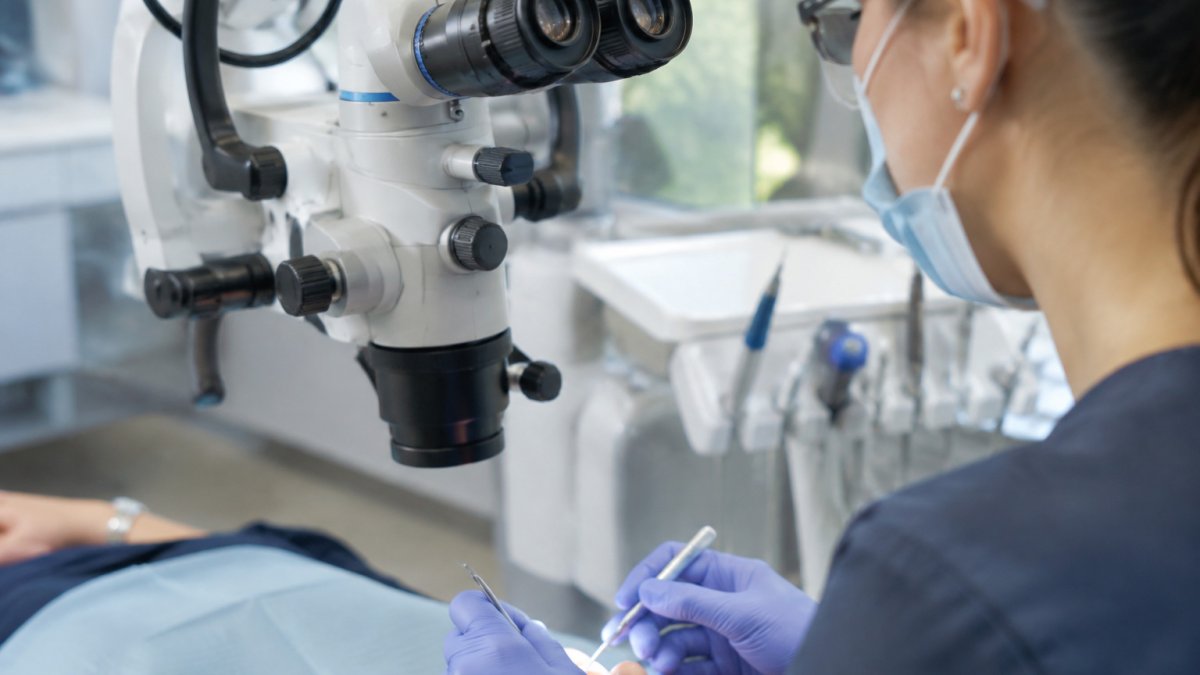
Endodontists use operating microscopes, ultrasonic instruments, and advanced imaging like cone beam computed tomography (CBCT) to visualize root canal anatomy in three dimensions, navigating complex or calcified canals with precision.
By removing infected pulp tissue and sealing the canal system, endodontists eliminate pain and infection while preserving a tooth that might otherwise require extraction. At EPO Dental Specialists, our team brings specialized expertise to complex root canal cases.
Periodontists
A periodontist specializes in diagnosing and treating periodontal disease, which affects the gums, bone, and supporting structures of the teeth. Periodontics covers gum disease treatment, dental implant placement, and procedures to regenerate bone and soft tissue, managing conditions from gingivitis to advanced periodontitis.
Periodontists perform scaling and root planing, surgical procedures to eliminate deep periodontal pockets, bone grafting, and soft tissue grafting.
A Board-Certified periodontist, like Dr. Yaritza Vazquez at EPO Dental Specialists, has completed additional training in advanced periodontal procedures, implant dentistry, and tissue regeneration techniques.
Orthodontists
An orthodontist specializes in correcting tooth and jaw alignment using braces, aligners, and other appliances. Beyond cosmetic improvement, orthodontic treatment improves oral function, reduces tooth wear, and can prevent future dental problems.
Orthodontists diagnose alignment problems through examination and imaging, develop customized treatment plans, and monitor tooth movement over months or years.
Many patients require 18 to 24 months of active treatment, followed by retention to maintain results. Certified orthodontists, like Dr. Jan Ortiz at EPO Dental Specialists, have completed two to three years of postdoctoral training in orthodontic theory and technique.
Oral and Maxillofacial Surgeons
An oral and maxillofacial surgeon is a dental specialist trained to perform surgical procedures involving the mouth, jaw, face, and related structures.
Oral and maxillofacial surgeons extract impacted teeth, perform corrective jaw surgery (orthognathic surgery) for significant bite problems or facial asymmetry, manage facial trauma, and place dental implants in cases requiring bone grafting or complex anatomical considerations.
Patients are referred to an oral surgeon when extraction requires surgical technique, when jaw surgery is needed to correct bite problems or facial appearance, or when facial trauma requires repair.
Pediatric Dentists
A pediatric dentist specializes in the dental care of children from infancy through adolescence, focusing on primary teeth, mixed dentition, and the transition to permanent teeth.
Pediatric dentists are trained in behavior guidance techniques for anxious or young patients and tailor their approach to each child's age and temperament.
A pediatric dentist has completed two to three years of postdoctoral training focused on child psychology, pediatric dental techniques, and the management of dental anxiety in young patients.
Prosthodontists
A prosthodontist specializes in restoring and replacing missing teeth and reconstructing facial structures. Prosthodontics covers the design and fabrication of crowns, bridges, dentures, and implant-supported restorations, managing complex cases involving multiple missing teeth, severe wear, or aesthetic reconstruction.
Prosthodontists use advanced materials and digital technology to design restorations that restore function and appearance, handling cases where standard approaches may not suit, such as significant bone loss or complex bite problems.
A prosthodontist completes two to four years of postdoctoral training in prosthodontic theory, materials science, and advanced restoration techniques.
Other Recognized Specialties
The American Dental Association recognizes six additional specialty areas. Dental public health focuses on community oral health, disease prevention, and population-level initiatives; specialists work in public health agencies, research institutions, and community programs rather than individual clinical practice.
Oral pathology involves diagnosing and managing diseases of oral tissues, including infections, tumors, and systemic conditions that manifest in the mouth. Oral pathologists typically work in laboratory or hospital settings, providing diagnostic services and consultation.
| Specialty | Primary Focus | Typical Training Duration | Common Procedures |
|---|---|---|---|
| Endodontics | Root canal therapy, pulp disease | 2-3 years | Root canals, pulp capping, apicoectomy |
| Periodontics | Gum disease, implants | 2-3 years | Scaling, graft procedures, implant placement |
| Orthodontics | Tooth and jaw alignment | 2-3 years | Braces, aligners, bite correction |
| Oral Surgery | Tooth extraction, jaw surgery | 4-6 years | Extractions, jaw surgery, trauma repair |
| Pediatric Dentistry | Children's dental care | 2-3 years | Preventive care, fillings, behavior guidance |
| Prosthodontics | Tooth replacement | 2-4 years | Crowns, bridges, dentures, implant restorations |
Why a Dentist Refers You to a Specialist
A general dentist refers patients to a dental specialist when a condition exceeds their scope of practice or when specialized expertise would improve outcomes. The referral process represents collaborative care.
Common reasons for referral include complex root canal anatomy, moderate to severe gum disease, tooth misalignment, impacted wisdom teeth, implant restoration, or children with specific needs.
The referring dentist provides the specialist with the patient's clinical history, radiographs, and examination findings.
At EPO Dental Specialists, we accept referrals for complex endodontic cases, advanced periodontal treatment, and orthodontic correction, maintaining open communication with the referring dentist so treatment aligns with the patient's overall dental plan.
When to See a Dental Specialist
Certain symptoms warrant evaluation by a dental specialist. Severe tooth pain that does not respond to over-the-counter medication may indicate pulp inflammation or infection requiring endodontic evaluation; if your general dentist suspects a root canal problem beyond their equipment or experience, they will refer you to an endodontist.
Bleeding gums, persistent bad breath, or gum recession suggest periodontal disease.
Visible tooth misalignment or bite problems affecting chewing or speech warrant orthodontic evaluation. Significant misalignment requires an orthodontist's expertise; many adults seek treatment for aesthetic reasons, and an orthodontist can discuss options including clear aligners.
Missing teeth warrant evaluation by a periodontist (for implant placement) or a prosthodontist (for restoration design), who can discuss whether implant-supported restoration, bridges, or other options best suit your situation.
Education and Training Requirements for Specialists
Becoming a dental specialist requires substantial additional education.
After earning the dental degree, aspiring specialists complete accredited postdoctoral programs ranging from two to six years depending on the specialty, endodontics typically two to three years, oral and maxillofacial surgery four to six.
Many specialties require board certification, involving a comprehensive examination by the specialty's certifying board. Board certification demonstrates rigorous standards for knowledge and clinical competence. For example, Dr.
Specialists maintain credentials through continuing education and, in many cases, periodic recertification, ensuring they remain current with advances in their field.
How to Verify a Dental Specialist's Credentials
Before seeing a dental specialist, verify their credentials and licensure. Confirm the dentist holds a valid license in your state; state dental boards maintain public registries you can search online.
Confirm the specialty designation by asking directly or reviewing the practice website.
Professional memberships provide additional credibility.
Ask about the specialist's training and experience: years in practice, where they completed postdoctoral training, and any additional training relevant to your case. Specialists should be willing to discuss their qualifications.
Review patient feedback when available; patterns regarding care quality, communication, and outcomes provide useful perspective.
Choosing a dental specialist means partnering with someone trained specifically for your needs. At EPO Dental Specialists, our specialists use state-of-the-art technology and collaborative care to address complex cases. Request an Appointment to discuss your needs and learn how our specialists can restore your oral health and confidence.
Frequently Asked Questions
What is the difference between a dental specialist and a general dentist?
A dental specialist completes additional postdoctoral education and training beyond dental school to focus on a specific area of dentistry. General dentists provide routine dental care like cleanings, fillings, and basic extractions. Specialists have advanced training in their field, use specialized tools and techniques, and handle complex dental needs that fall outside a general dentist's scope of practice. For example, an endodontist specializes in root canal treatment, while a periodontist focuses on gum disease and dental implants.
When should I see a dental specialist instead of my general dentist?
You should see a dental specialist when your general dentist identifies a condition requiring advanced expertise. Common reasons include severe tooth pain suggesting endodontic problems, significant gum disease, orthodontic needs for tooth alignment, impacted teeth requiring surgical removal, or complex tooth replacement cases. Your general dentist will typically refer you to the appropriate specialist. If you experience acute symptoms like severe pain, swelling, or trauma, ask your dentist whether specialist care is needed.
What are the main types of dental specialists?
The major dental specialties recognized by the American Dental Association include endodontists (root canal treatment), periodontists (gum disease and implants), orthodontists (tooth and jaw alignment), oral and maxillofacial surgeons (tooth extraction and facial surgery), pediatric dentists (children's dental care), and prosthodontists (tooth replacement). Other specialties include periodontal surgery, dental public health, and oral pathology. Each specialty requires additional years of postdoctoral education and often board certification.
Do I need a referral from my general dentist to see a dental specialist?
While you don't always need a formal referral to schedule an appointment with a specialist, your general dentist's referral is valuable. It provides the specialist with your dental history, current condition, and treatment recommendations, ensuring continuity of care. Many dental insurance plans cover specialist visits more fully when referred by a general dentist. If you're seeking a specialist independently, contact the practice directly to discuss your needs and insurance coverage.
How long does it take to become a dental specialist?
Becoming a dental specialist requires completing dental school (typically 4 years) plus additional postdoctoral education. Most specialties require 2 to 4 years of specialized training after dental school. For example, endodontic programs typically last 2 years, while oral surgery programs often take 4 years. Many specialists also pursue board certification through rigorous examination, which demonstrates advanced competency and commitment to their specialty.
How can I verify that a dentist is actually a specialist?
Check if the dentist holds board certification from their specialty's board, such as the American Board of Endodontics or American Board of Orthodontics. You can verify credentials through the American Dental Association's Find a Dentist tool or by asking the practice directly about their dentist's training and certifications. Look for dentists who limit their practice to one specialty rather than offering multiple specialties, as this indicates focused expertise and advanced training in that area.
What should I expect during my first visit to a dental specialist?
Your first specialist visit typically includes a comprehensive examination, review of your dental and medical history, and discussion of your symptoms or concerns. The specialist may take additional imaging, such as cone beam scans for complex cases, to develop an accurate diagnosis. They will explain your condition, discuss treatment options, and outline what to expect. This consultation helps you understand why specialist care is needed and what your treatment plan involves.